Video of The Day: The Tisburys – A Still Life Revisited Album Release Show (Live at Milkboy 6/7/25)

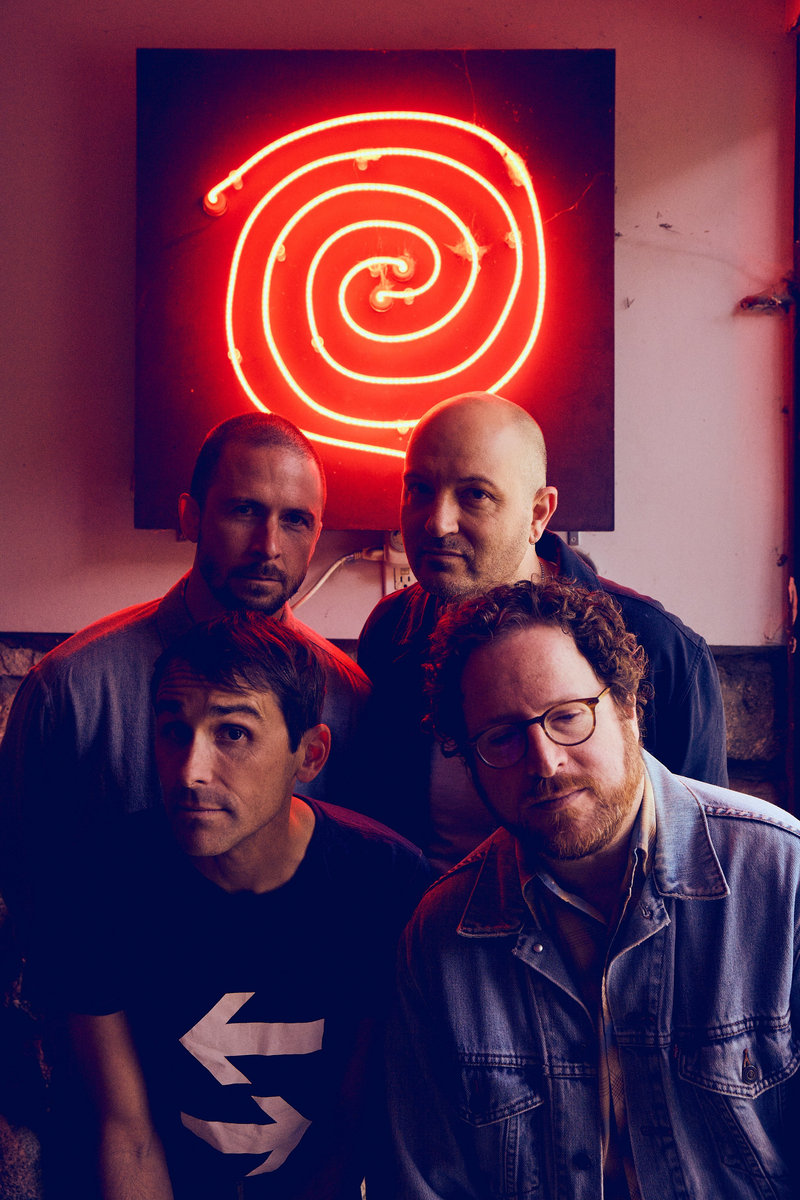
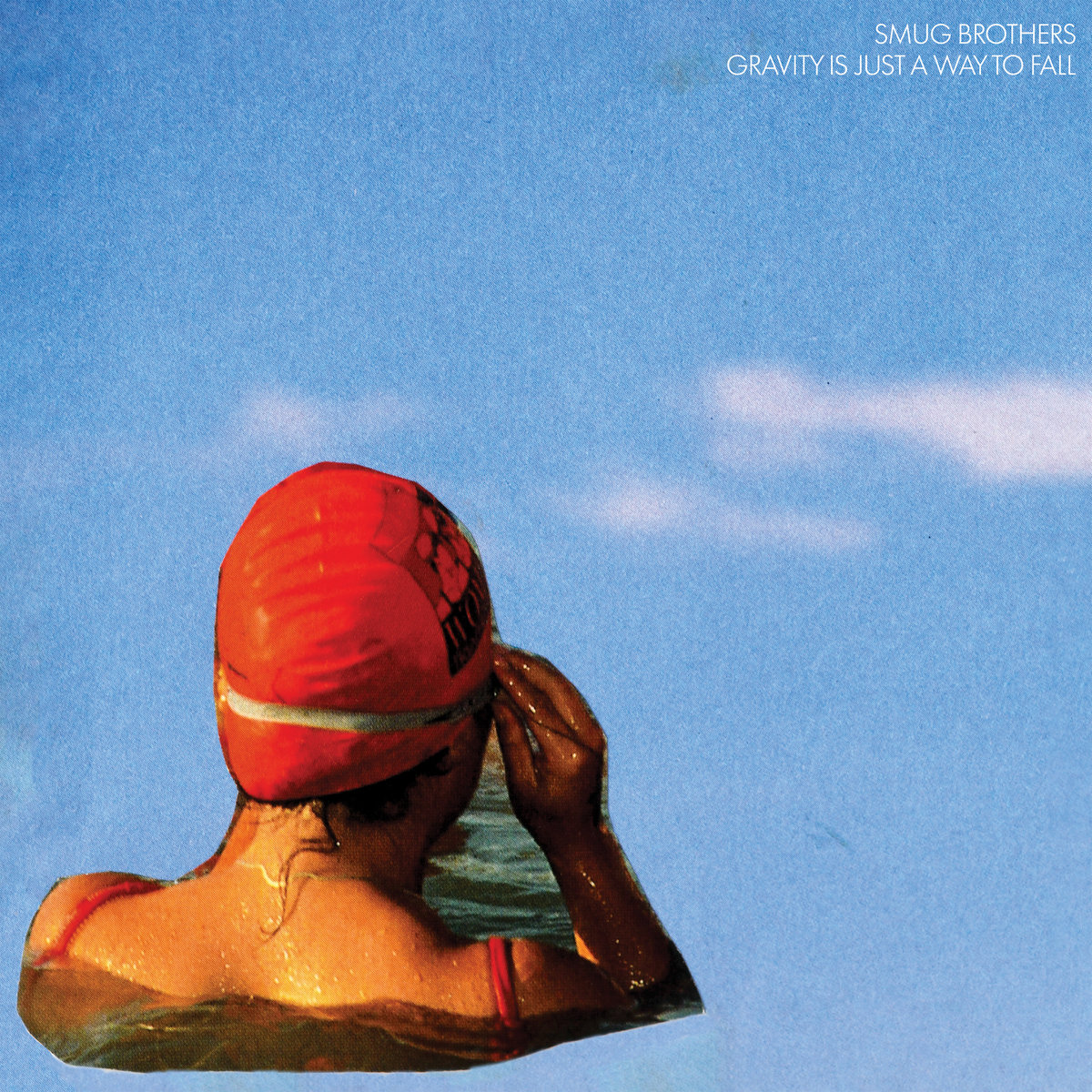
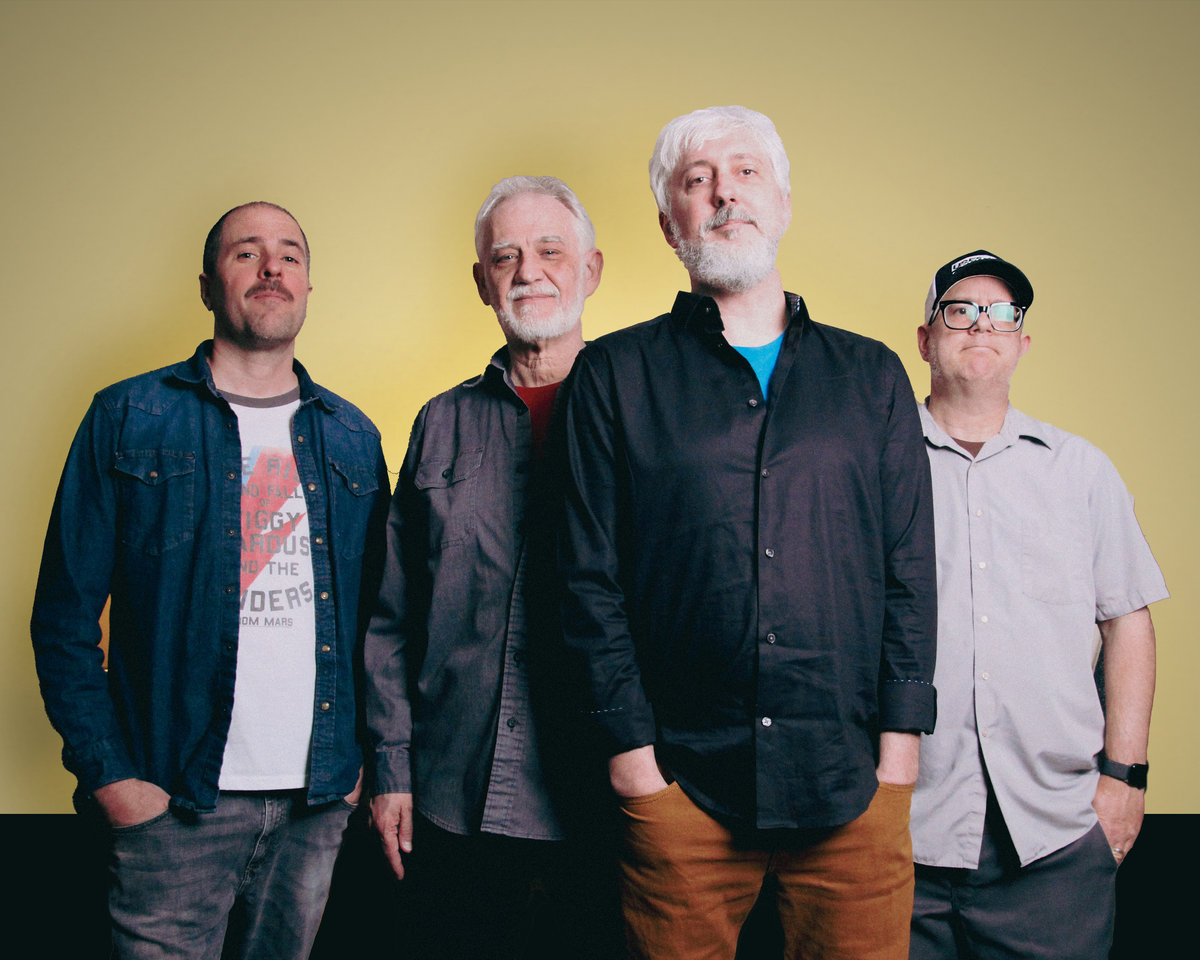
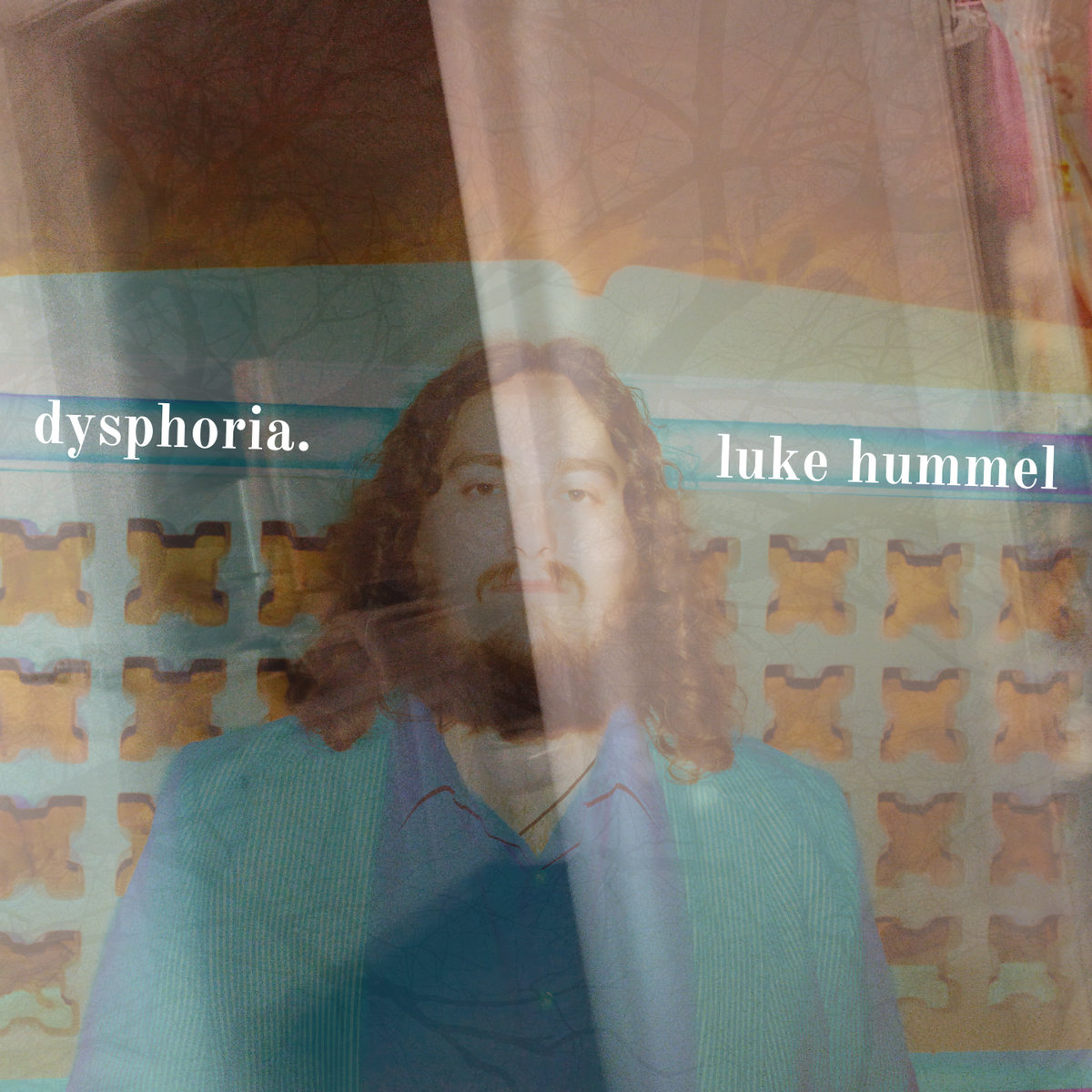
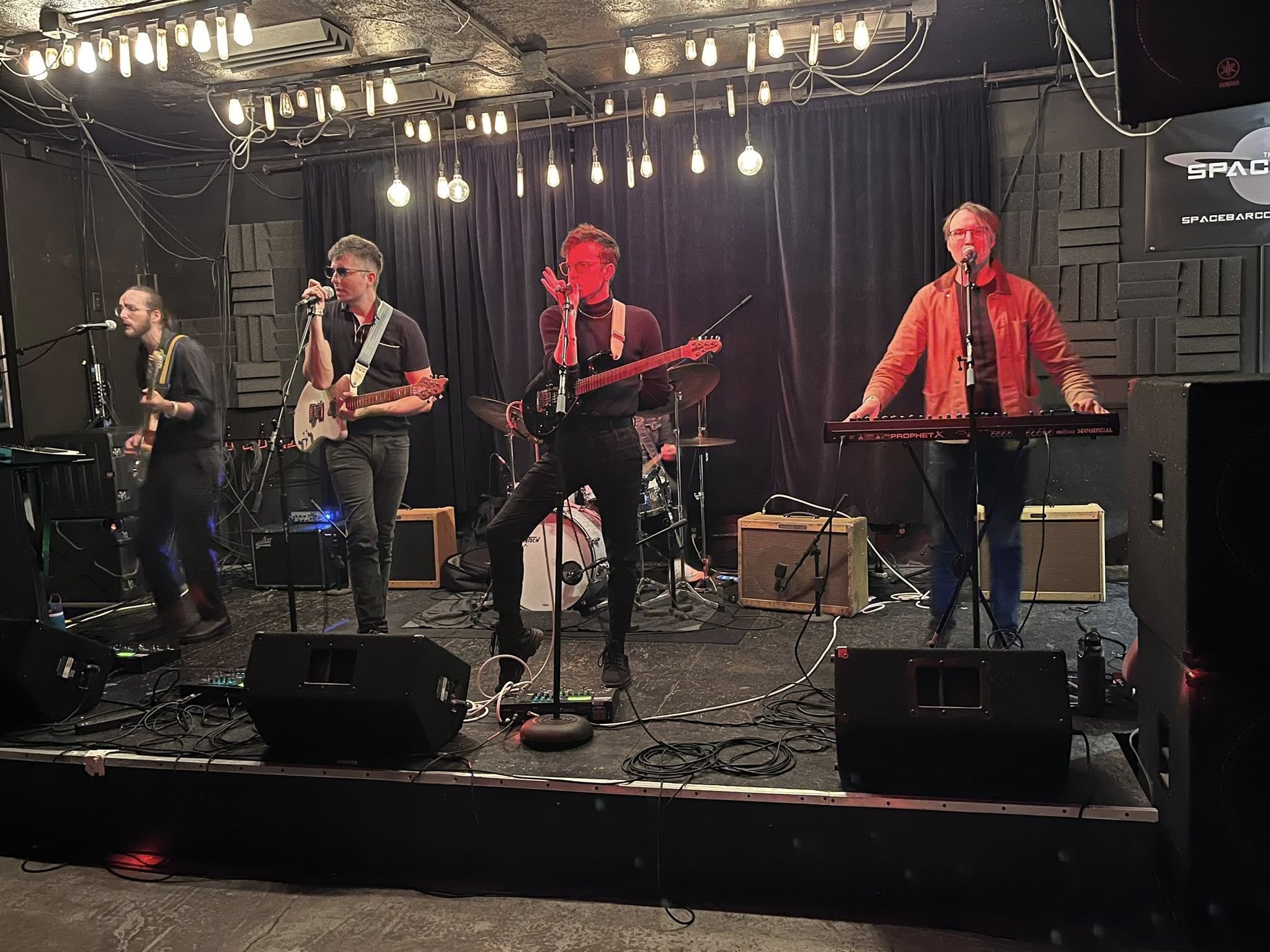
A Still Life Revisited arrived not just as an album, but as a shared moment. Presented by WXPN, the release show felt patient, generous, and deeply communal—songs given room to breathe and collaborators invited fully into the frame. Recorded live by Secret House Recording, beautifully mixed by Kevin Marcoux, and captured on video by Tom Whaley, every detail reflected care rather than spectacle. Danielle Ciampaglia’s cover photo set the tone, intimate and unforced.

Across the set, voices and instruments wove together in ways that felt organic and earned. Katie Hackett’s vocals brought quiet power to “Second Sign,” while Kyle Swartzwelder’s pedal steel threaded nearly every song with warmth and restraint. An MJ Lenderman cover, “She’s Leaving You,” and a Tom Petty take on “Walls” sat easily alongside originals, reimagined rather than replicated. The Tisburwives Singers added depth and lift, the Schuylkill River Orchestra expanded the emotional palette, and each collaboration felt less like a feature than a conversation.

By the end, it was clear this wasn’t just a release show, it was a reflection of a musical community showing up for one another. No flash, no rush, just careful listening, shared attention, and songs presented with trust. A Still Life Revisited landed exactly as it should have: thoughtful, collective, and quietly unforgettable.

The Case for an Annual Indie Holiday Show on Your Tuesday Afternoon Alternative

Yesterday, I did this show with Tom Gilliam, and that’s the thing the algorithms will never understand. Two humans in a room, pulling songs out of the ether, reacting in real time, laughing when a track zigged where we expected a zag. Tom brought his usual mix of deep cuts and quiet conviction, the kind that says I trust this song to hold the room. No branding, no content strategy—just listening, choosing, and letting the music breathe for three hour when the season feels like it’s suffocating everything else.

Every December, the radio loses its damn mind.

The same songs come crawling out of the speakers like embalmed corpses in tinsel: glossy, overproduced, scrubbed of friction, scrubbed of history, scrubbed of anything resembling an actual human feeling. You could swap the station, the city, or the year and never know the difference. Time collapses. Experience flattens. You are trapped in a snow globe, and someone else is shaking it for profit.

And yet—somewhere beneath the jingle-industrial complex—people are still writing holiday songs that don’t sound like they were focus-grouped by a mall. Songs that admit the season is weird, heavy, funny, lonely, joyous, exhausting, and occasionally beautiful in spite of itself. Songs that don’t pretend everyone’s family gets along or that joy arrives on schedule.

That’s where the annual indie holiday show on Your Tuesday Afternoon Alternative comes in—not as seasonal programming, but as resistance.

Let’s get one thing straight: this isn’t about “saving Christmas.” Christmas doesn’t need saving. It’s doing just fine, selling sweaters and nostalgia to people who don’t necessarily like each other. This is about rescuing listening from the annual corporate hostage situation. It’s about carving out one afternoon where the holidays sound like actual life instead of a marketing campaign with sleigh bells.

Indie holiday music lives in the cracks. It’s written by people who don’t owe the season anything, which is precisely why it matters. These artists aren’t trying to out-Marathon Mariah or out-smile Bing Crosby. They’re asking different questions. What does winter feel like when you’re broke? What does joy sound like when it’s provisional? What happens when you miss someone who isn’t coming back, or never really came home in the first place?

That’s not anti-holiday. That’s honest.

An annual indie holiday show works because Your Tuesday Afternoon Alternative has never been about sonic wallpaper. The show treats music like it has consequences—like it comes from somewhere and goes somewhere else. Dropping an indie holiday show into that tradition doesn’t feel like a novelty episode; it feels like an extension of the show’s moral logic. If you care about music the rest of the year, why would you stop caring in December?

And let’s talk about ritual, because the mainstream gets that part wrong too. Ritual doesn’t mean repetition without thought. That’s just habit dressed up as tradition. Ritual means returning to something because it still tells the truth. An annual indie holiday show isn’t the same playlist every year—it’s the same intention. Same question, new answers. Same season, different weather.

Some years the songs lean hopeful, like they’re daring the future to be better. Other years they’re threadbare, muttering survival strategies over cheap keyboards and acoustic guitars. That fluctuation isn’t a bug—it’s the archive. You can trace cultural mood swings through these songs like tree rings. Pandemic years sound different. Post-pandemic years sound tired in new ways. Political chaos hums under the choruses whether the artists want it to or not.

Mainstream holiday radio pretends time stands still. Indie holiday music documents the fact that it doesn’t.

There’s also something quietly radical about giving these songs space. Holiday tracks by indie artists are usually treated like curios—one-off novelties, seasonal jokes, algorithmic dead ends. But when you put them together in a thoughtful broadcast, they stop being gimmicks and start sounding like what they are: people grappling with tradition in real time. Covers become reinterpretations. Originals become statements. Irony gives way to vulnerability.

And vulnerability, in December, is practically punk rock.

The indie holiday show also creates a temporary community—one that doesn’t require fake cheer or mandatory sentimentality. Listeners aren’t asked to feel a certain way; they’re invited to show up however they are. If you’re happy, great. If you’re barely holding it together, pull up a chair. There’s room for both. That’s a rare offer in a season obsessed with emotional conformity.

Over time, something else happens. Certain songs come back—not because they’re “classics,” but because they earned it. A track that once felt like a lifeline resurfaces years later as a memory. A song that sounded bleak one December suddenly feels tender in hindsight. The show accumulates history. It remembers for you.

That’s not nostalgia. That’s continuity.

There’s a curatorial responsibility here too. Indie holiday music exists in a thousand scattered corners—Bandcamp pages, limited vinyl runs, digital EPs dropped quietly into the void. An annual show gathers those fragments and says, “This matters. Someone heard this. You’re not alone.” That gesture means something in a culture where algorithms decide worth based on velocity instead of resonance.

And make no mistake: this is what independent radio is for. Not scale. Not domination. Presence. Choice. Taste with a point of view. At a time when “discovery” is mostly just machine-generated déjà vu, a human saying “listen to this—here’s why” is a small act of rebellion.

The indie holiday show also refuses the biggest lie of the season: that joy must be loud, uncomplicated, and universally accessible. Indie artists know better. They write about chosen families, fractured homes, grief that sharpens during celebrations, joy that arrives sideways and leaves early. These songs don’t cancel the holidays; they make them survivable.

Which brings us back to Your Tuesday Afternoon Alternative. Doing an annual indie holiday show isn’t branding. It’s ethos. It says the show doesn’t clock out when things get messy or sentimental. It says the holidays deserve the same critical attention, curiosity, and care as any other cultural moment.

And maybe that’s the real point. In a world hellbent on smoothing everything into sameness, this show insists on texture. On friction. On humanity. It trusts listeners to handle complexity—and that trust is rare.

So yes, do the indie holiday show. Do it every year. Let it change. Let it argue with itself. Let it contradict the season while still loving it. Let it be strange, sad, funny, and occasionally transcendent.

Because if the holidays are going to mean anything at all, they should at least sound like real people trying to make it through them together.

Favorites of 2025: The Cords – The Cords

The Cords: how a band turns pop instincts into craft

If rock and roll really is dead, then The Cords clearly missed the memo, because their new self-titled record kicks the coffin lid open, steals the eulogy notes, and sets the funeral pyre dancing like it’s 1979 again and tomorrow doesn’t exist. This thing isn’t just a debut—it’s a declaration, a sugar-buzzed jolt of pop-bright indie rock that doesn’t pretend to be cool, doesn’t hide behind irony, and doesn’t give a damn about whatever trend some influencer is spoon-feeding their followers this week. It’s melody as oxygen, chorus as lifeline, guitars strummed like they’re trying to shake loose every last excuse you’ve ever had for not feeling something. And thank God for that—because in a year drowning in algorithmic uselessness, The Cord showed up with color, conviction, and the kind of hooks that tattoo themselves on your spine: refreshingly infectious, all-ages indie-pop and jangle pop collection with bright, melodic hooks and irresistible harmonies.

When a band chooses to release a self-titled record deep into a career or at a moment of reinvention, it’s rarely an accident. A self-title asks listeners to pay attention: this is who we are, for better or worse. On The Cords, that gesture reads less like self-importance and more like quiet confidence. The album crystallizes a group whose greatest gift is the paradox of seeming easy: songs that land as immediate, catchy pop but reveal, on repeat listens, careful craftsmanship — arrangements that balance lift and restraint, choruses that stick without shouting, and lyrics that prize specificity over cliché.

This review explores why The Cords has quickly emerged as one of 2025’s most beloved releases (or at least for us at Your Tuesday Afternoon Alternative), examining how the record was made, what each musician brings to its radiant clarity, and how the band’s sound fits squarely—and confidently—within contemporary indie-pop and power-pop currents. Reviewers have praised the album’s effervescent hooks, bright harmonies, and early-Beatles-meets-C86 charm, calling it a reminder that joy, immediacy, and craft can still feel revelatory. By looking closely at the songs and the meticulous yet exuberant musicianship behind them, this piece makes the case echoed by critics across the board: The Cords proves that in an era of over-processed noise, genuine craftsmanship not only still matters—it stands out.

Who are The Cords?

Asking “Who are The Cords?” is entirely reasonable, especially given how quickly the duo seemed to burst onto the 2025 music landscape with a fully formed sound and a debut record that feels more like the work of seasoned veterans than newcomers. Their name appeared almost overnight in reviews, playlists, and year-end lists, prompting curious listeners to wonder how a band this polished could arrive with so little advance fanfare. The question reflects both genuine intrigue and the natural impulse to understand the people behind a record that has connected so widely, so suddenly. Ok, ok… let’s answer the question directly: The Cords are a rising Scottish indie-pop sister duo, Eva (guitar, vocals) and Grace (drums and percussion) Tedeschi, known for their catchy, jangle-pop sound reminiscent of ’80s/90s C86 indie, featuring loud guitars, drums, and infectious melodies. They gained buzz in the UK indie scene, playing with major bands like Belle and Sebastian, and released their self-titled debut album this year, solidifying their place as exciting new musicians with a fresh take on classic indie pop.

So, sure, The Cords are a rising indie rock band whose self-titled debut has pushed them from regional curiosity to one of the year’s most talked-about new acts. That love comes honestly. It is built around a shared love of sharp pop melodies, jangling guitars, and choruses designed to ignite rooms both small and large. The band blends classic power-pop instincts with the earnest shimmer of modern indie. While each member brings a distinct musical background to the project—ranging from DIY home-recording scenes to more polished studio work—they come together with a unity of purpose: to make songs that feel immediate, heartfelt, and boldly melodic. Their chemistry is unmistakable, the kind of collaborative spark that makes a first record sound less like a beginning and more like a band arriving fully formed.

A band in the room, not a solo project on a laptop

One of the first things you notice about The Cords is its sense of feel. The record breathes the way a live band breathes: near-mic’d guitars trade phrases, the bass doesn’t merely hold down the root but sings counterlines, and the drums are both precise and human — they click when they should and push when the song needs momentum. That sonic chemistry suggests an actual group in a room rather than a single songwriter piling tracks onto a click-track.

On this record, the players are careful taste-makers: a lead vocalist who carries the melody with an effortless honesty; a guitar riff is economical but unforgettable; bass lines that anchor and color in equal measure; a drummer who doubles as a dynamic architect; and occasional keys and backing vocals that thicken textures without smothering them. The album’s production is shaped in large part by Jonny Scott and Simon Liddell, who not only handled the recording and overall sonic direction but also contributed additional bass and keyboard parts. Their involvement adds depth, texture, and subtle melodic detail, helping the songs land with a clarity and fullness that elevate the duo’s core ideas. That production leans toward warm melody rather than slick overprocessing — vocals swirl, the guitars ring, and harmonies bloom in native stereo. The effect is immediate and intimate, like a favorite radio station that somehow still surprises you with classic Scottish indie pop, bringing energy and authenticity to the genre.

Classic hooks, modern precision

Musically, The Cords live at the intersection of indie-pop and modern indie rock. If power-pop is the art of building irresistible choruses around smart songcraft, this record nods to that lineage while keeping its feet in the present. The guitars often prefer jangle and concise counter-motifs over endless studio tinkering with reverb; the drum sounds favor snap and presence within the mix; the bass is melodic. Production choices keep the songs forward and communicative.

What’s clever about the album is how it uses contrast. A sleek, hummable chorus might follow a verse that’s rhythmically skittish or harmonically unusual; a bright hook will sit atop an unexpectedly rueful lyric. That push-and-pull keeps songs from flattening into mere earworms. The band knows how to write a chorus that hooks on first listen, but they’re more interested in building shoulders for those hooks to stand on so the singer can mean what she has to say within the sway of the song.

Ordinary detail, emotional honesty

Lyric writing on The Cords resists broad platitudes. Instead of grand pronouncements, these songs live in particulars: a lit street outside an apartment window, the wrong song playing on a cheap jukebox, saying goodbye, not knowing what to say. Those details anchor the songs emotionally; they make choruses feel earned rather than handed to the listener.

Themes recur — the ache of imperfect relationships, the friction between wanting to leave and wanting to belong, the peculiar loneliness of modern urban life — but the band treats these themes as lived experience, not albums’ worth of slogans. There’s tenderness here, an ability to hold both humor and regret in the same line. When the chorus opens up into sing-along clarity, the words are often small but direct, the kind that a listener can latch onto and repeat in daily life.

Rather than a list of titles, the album’s architecture is worth noting: it opens with a confident, urgent cut, “Fabulist” that announces the band’s melodic ambitions; it centers itself with a pair of mid-album songs that reveal its lyrical depth while stilling rocking (“You” and “I’m Not Sad”); and it closes with a return to the jangle with a reflective piece that leaves more questions than answers, “When You Said Goodbye” — a satisfying structure that mirrors human experience rather than manufactured catharsis.

The opener works as a thesis statement: brisk tempo, jangly guitars, a pre-chorus that sets up the payoff, and a chorus that lands like a bright bruise — it’s immediate and impossible to ignore. The arrangement focuses on guitar and drums, yet leaves space for letting the lyric breathe before swelling into a harmony-rich chorus. That dynamic — economy vs. abundance — is where the record’s emotional intelligence shows. The listener feels tugged along rather than pushed.

Musicianship: pop instincts, instrumental care

One of the pleasures of The Cords is hearing instrumentalists who understand restraint within the landscape of Scottish indie pop. The lead guitar rarely indulges in long solos; instead, short melodic figures become hooks in themselves. The bass often carries melodic interest in places a secondary vocal might have; the drums use space and silence as effectively as fills and cymbal swells. These are not instrumental showpieces; they are choices made to serve the song.

Backing vocals are used sparingly but to great effect: stacked parts in choruses heighten the sense of communal voice, whereas single harmony lines in bridges add emotional nuance. Keys and synths make tasteful cameos — a pad here, a tuned key there — supporting rather than competing. The overall musicianship communicates a band comfortable with pop’s mechanics yet allergic to disposable glitz.

Production plays a crucial role in a record like this. The engineers and producers behind The Cords opt for a live-room warmth; you can hear the string of the guitar and the breath before the vocal. The mix privileges midrange clarity so the melodies cut through without overwhelming the low end. Transients on percussion are preserved to give the drums snap, and the stereo image is used to place instruments in space rather than to dazzle with effects. That sonic philosophy — preserve the room, let the song guide the mix — keeps the album feeling human. It’s pop music with a pulse rather than sterilized pop.

For whom this record is made

The Cords will appeal to listeners who prize tunes that reward attention. Fans of classic power-pop and jangly indie rock will find the hooks irresistible, but casual listeners will also appreciate the plainspoken choruses and immediate melodies. The record sits comfortably between the worlds of radio friendliness and indie credibility: radio programmers get singable choruses; critics get craft and nuance.

Younger listeners who grew up with playlist culture may be surprised by how an album built around consistent melodic logic can still create small shocks of recognition — the kind of “I know this” feeling that a succinct chorus can produce. Older listeners will appreciate the band’s affinity for tradition without nostalgia.

This record matters

In a popular music moment dominated by hyper-production, viral singles, and an ever-shortening attention span, a record like The Cords is quietly radical. It insists on songcraft: beginning, middle, and end; it assumes the listener will return; it foregrounds human voices and real instruments. The album’s lack of pretense is, paradoxically, its statement. It shows how pop can be both pleasurable and thoughtful, how choruses can be cathartic without being manipulative.

For a listener who wants immediacy without cheapness — a hook that doesn’t insult intelligence — The Cords offers reassurance: good songs still matter, and a band playing together still sounds like something worth cherishing.

A self-titled album is a claim. The Cords lay claim to that title gently but firmly: here is a band confident in its pop instincts and literate in its emotional choices. The record’s charm rests on the marriage of classic pop construction with modern precision, the musicians’ disciplined instincts, and songwriting that values detail over slogan. It isn’t a manifesto; it’s a practice. And in an era of flash, there’s a particular pleasure in watching a band quietly do the work of making songs that last.

Favorites of 2025: Elephants and Stars – Under The Earth and Above Heaven

Indie rock has always thrived on the fringes: small venues, tiny labels, and the slow-building careers that reward patience more than hype. Few contemporary bands embody this spirit better than Elephants and Stars, the Canadian band whose latest album, Under the Earth and Above Heaven, feels like the result of years dedicated to refining melody, guitar as truth, rock and roll meaning, and a hard-won optimism tempered with a slight sarcasm that comes from not taking oneself too seriously. A real understanding that life has ups and downs.

The album’s title suggests a band thinking about place, about being suspended between hardship and hope, about grounding themselves even as they reach. And in many ways, this duality captures the spirit of Elephants and Stars themselves: musicians who write like they’ve lived a little, but still believe that a good chorus can solve something in the soul. A great song can change the world.

Under the Earth and Above Heaven is, simply put, their most confident and emotionally resonant work to date. But the record is also a reminder of why rock, guitars, harmonies, and honest storytelling still matter.

The band behind the sound
To understand the record, it helps to understand the people who made it. Elephants and Stars operate in a tradition familiar to fans of early 2000s alternative rock: tight rhythm sections, guitars that shimmer and crunch, and lyrics that manage sincerity without slipping into sentimentality.

The lineup, anchored by frontman Manfred Sittmann, whose signature vocals blend warmth with a slight rasp, has solidified into a group whose interplay feels lived-in. Sittmann writes and sings with the clarity of someone who knows the exact weight of each line, but the band behind him keeps things agile rather than precious. Sittmann’s melodic instincts shape much of the band’s identity. He’s joined by Adam Seed, whose lead guitar work brings a sharp, expressive edge to their sound, and longtime collaborator Michael MacMillan, whose bass lines provide both structure, rhythm, and warmth. The rhythm section finds its heartbeat in drummer Stewart McKinney, while Simon Head expands the band’s sonic palette with textured, atmospheric keyboard layers. Together, they create a modern rock sound grounded in pop-punk roots. Music that’s unmistakably hook-driven yet designed with a clear mission: to help bring rock back to the forefront.

The band’s story stretches back years, especially for Sittmann and MacMillan, who previously played together in the excellent group Soap Opera. Their long creative history gives the songs on their latest release a natural chemistry and ease, the feeling of musicians who know exactly how to respond to one another. That chemistry reaches a new peak on Under the Earth and Above Heaven, released in February of this year and produced by Ian Blurton, a collaboration that sharpens their sound while preserving the emotional immediacy that defines their work.

The guitars, often handled in layered pairs, move between bright open-chord passages and more aggressive leads. The bass lines are melodic without overpowering the mix, and the drumming is purposeful and punchy where it should be, restrained where the lyrics need breathing room. The result is a sound built on chemistry rather than simply studio polish.

The band feels like a cohort of people who know how to play to each other’s strengths. This matters because Under the Earth and Above Heaven is an album that depends on emotional pacing: crescendos that feel earned, shifts in tone that feel organic, and choruses that arrive with the momentum of a live show.

A sound defined by uplift without naïveté
From the opening track, Elephants and Stars make it clear that they are uninterested in the cynicism that often dominates modern rock. Their guitars ring with a kind of unguarded cascade of sonic joy, even when the lyrics are wrestling with frustration or loss. One of the most striking qualities of this album is how hope and melancholy coexist—not in competition, but in conversation.

The production leans into this duality. Vocals sit slightly forward in the mix, giving Sittmann’s storytelling a sense of directness and intimacy. The guitars, meanwhile, expand outward: wide, textured, layered. It’s the kind of sound associated with late-afternoon festival sets—sunlight still visible, the air cooling, the crowd settling into a collective feeling. And the sound? Loud, propulsive, aggressive, like a sonic caress.

What keeps the record from drifting into nostalgia is the band’s sense of precision. Each song feels built, not merely written. The hooks land with purpose. The bridges feel like necessary expansions, not detours. And the choruses—Elephants and Stars’ greatest strength—arrive like emotional confirmations.
This is a band that believes in melody the way some bands believe in distortion pedals: as the emotional engine of the music.

The lyrical world of the album
If the sound carries the emotional lift, the lyrics provide the grounding. Under the Earth and Above Heaven reads like a record about transition—moving from one stage of life to another, reconciling who you were with who you’re trying to become. The “earth” and “heaven” of the title function less as metaphysical spaces and more as metaphors for the pressures we carry and the aspirations we hold. Across the record, recurring themes emerge.

Across Under the Earth and Above Heaven, Elephants and Stars weave a thematic through-line that feels both deeply personal and universally readable. The record begins by making peace with the past, returning again and again to the bittersweet truth that old mistakes never quite vanish. Yet the band refuses to sink into regret. Instead, they treat memory like an old photograph—something to regard with a mix of tenderness and hard-earned gratitude for having made it through. That reflective stance sets the stage for one of the album’s central concerns: the search for steadiness in a world that rarely offers it. Life, as their lyrics suggest, often feels precarious, a suspended moment in which you’re “almost there” but never fully settled. But rather than express anxiety, the band leans toward determination, riding out the instability with resolve.

That determination is buoyed by another recurring insight: the importance of connection. Throughout the album, relationships of all kinds—romantic partners, close friends, the communities we build around ourselves—appear as the forces that keep us grounded. These songs push against the temptation to withdraw, insisting instead that meaning comes from being in the world with others. And within that engagement, the band finds flashes of transcendence in the most ordinary places: singing in the car, watching the sunrise after a sleepless night, catching the sound of someone’s laughter at just the right moment. These quiet, luminous details echo the “above heaven” imagery of the album’s title, suggesting that the extraordinary often reveals itself in the spaces where we least expect it.

The record carries an autobiographical weight without tipping into confession. Rather than offering a straightforward personal narrative, it gestures toward shared emotional terrain—less “here is my story” and more “here is a feeling you have probably known.” And while a full song-by-song analysis would exceed the scope of this discussion, several tracks stand out for the way they shape the album’s emotional arc, guiding listeners through reflection, uncertainty, connection, and ultimately the little but meaningful possibilities of joy.

The opener: urgency with clarity
The opening track, The Ceiling, wastes no time establishing the album’s stakes. A driving beat, guitars that arrive fully formed, and lyrics that describe the moment when indecision becomes action. It feels like a thesis statement: the band is not here to wallow; they are here to move. A bit more than midway through the record comes a standout track that shifts the tempo and deepens the tone, ‘Unlucky.’ This is where the band’s lyrical strengths shine: reflections on resilience, the cost of growth, and the quiet strength found in simply continuing. The arrangement builds around a groove—guitar, sway in the keyboards, more subtle percussion, then a full electric swell—mirroring the emotional climb.

The late-album surge: an anthem of uplift
As the album nears its conclusion, the band leans into one of their most triumphant choruses to date on ‘Paint Me Alive’. It’s the kind of moment designed to be shouted back at the stage, hands in the air, the kind of collective catharsis that only rock music can produce. The lyrics, which center on choosing light even when darkness is familiar, feel earned precisely because the album has carried listeners through doubt and tension.

The final track, The Ghosts, does something rare: it provides closure without collapsing into tidy resolution. It acknowledges the uncertainties that remain but offers a melodic reassurance that moving forward—however imperfectly—is worth celebrating.

Three elements make Under the Earth and Above Heaven one of Elephants and Stars’ most compelling releases: 1) Musical consistency without monotony. 2) The band has refined their sound without becoming predictable. And 3) Each song feels connected to the whole, but no two entries collapse into each other.

Emotional honesty that creates community
In an era where irony often dominates indie music discourse, Elephants and Stars commit wholeheartedly to sincerity. Their stories are earnest but never naive. The band creates A sense of community embedded in the music. Listening to the album feels like being welcomed into a shared emotional space. It’s personal, but it’s not private.

Elephants and Stars occupy an interesting place in today’s musical world. They are neither trend-chasers nor purists. Instead, they carry forward the tradition of emotionally articulate guitar rock: bands like The Weakerthans, early Jimmy Eat World, or mid-period The Hold Steady—artists who treat songwriting as craft rather than marketing. Their music reminds listeners that rock still has a role to play in articulating everyday emotional life. Not the grand dramas, but the subtle struggles: trying to be better, trying to stay hopeful, trying to find footing. In a digital era marked by fragmentation and fatigue, Under the Earth and Above Heaven feels refreshingly grounded.

Perhaps the greatest achievement of the album is its replayability. The first listen offers immediacy—hooks that land, choruses that stick. But subsequent listens reveal the details: the way a harmony hangs in the background, the way a guitar line subtly echoes a lyrical theme, the way the rhythm section builds tension without overstating it. This is music built not just to impress, but to accompany. It is the kind of record listeners grow with and discover far more over repeated listens.

An album for the moment we’re in
Under the Earth and Above Heaven succeeds because it feels like an album made by people committed to the power of song—not spectacle, not persona, but the craft of building moments of connection. In a fractured cultural moment, that feels almost radical.

Elephants and Stars may never be the kind of band that dominates streaming algorithms or headlines massive festivals. But this record demonstrates why they matter: they make music that sees listeners clearly. They make music that names the feelings many of us carry. They make music that reaches upward, outward, toward one another.

And sometimes, that’s exactly what good rock music is supposed to do.

Favorites of 2025: The Kyle Sowashes – Start Making Sense

We could have easily titled this column ‘Making Sense of It All: The Kyle Sowashes and the Enduring Power of Indie Rock Honesty,’ because the band’s new record not only showcases their musical growth but also highlights how their plainspoken sincerity continues to resonate in a genre often crowded with irony and affectation.

Independent rock has long thrived on the margins—small rooms, frayed gear, and bands that carve out meaning from the ordinary. Few groups embody this spirit as honestly and as energetically as The Kyle Sowashes, the long-running Columbus, Ohio outfit centered around singer, guitarist, and songwriter Kyle Sowash. Their terrific new record, Start Making Sense, feels both like a culmination of years of steady work and a refreshed sense of purpose. It is an album that sounds lived-in yet ambitious, familiar yet surprisingly expansive.

Like so many of their releases, it is driven by a collaborative band spirit, anchored by Sowash’s unmistakable songwriting voice. But on Start Making Sense, the musicians around him play an especially notable role. This is not merely a collection of songs written by a single songwriter—it is a group effort in the best sense, marked by thoughtful arrangements, spirited performances, and a chemistry that can only develop after years of making music together. The result is a record that feels warm, wry, cathartic, and deeply human.

A Band Made of People, Not Parts

The Kyle Sowashes have always been a band that foregrounds musicianship over mythology. No one is placed on a pedestal; every member shapes the sound. On Start Making Sense, the interplay among the musicians is central to what makes the record feel so alive.

At the center, of course, is Kyle Sowash, the principal songwriter, guitarist, and narrator of the band’s emotional landscape. His style has always blended self-deprecation with sincerity, humor with frustration, resignation with hope. He writes songs the way people talk when they’ve stopped trying to impress anyone. That honesty, paired with a gift for sticky melodies and driving chord progressions, continues to anchor the band.

But the supporting cast expands and elevates the material. The rhythm section, always a strength for the group, is especially tight on this release. The basslines give songs bounce and propulsion, while the drumming adds both momentum and nuance—capable of big-room punch but also subtle shifts in tone that mirror Sowash’s lyrical turns. Together they give the album its shape: urgent when needed, contemplative when the songs pull inward.

The guitar arrangements, too, show a band deeply comfortable playing with space. There are moments of noisy celebration, fuzzed-out riffs, and guitar lines that nod to 90s indie rock and power pop without ever feeling derivative. But there is also restraint when the songs call for it—arpeggiated lines, single-note phrases, and open-chord patterns that accent Sowash’s vocal pacing. The band understands when to push and when to stay out of the way, and that mutual sensitivity is one of the record’s quiet triumphs.

All of this makes Start Making Sense feel less like a front-person project and more like a snapshot of a genuine musical community. The band members are collaborators—not session players—and the record reflects that shared vision.

Sound: An Indie Rock Dial Tuned Just Right

The defining pleasure of listening to The Kyle Sowashes is the feeling that the band knows exactly who they are and that they approach their sound not as a limitation but as an expressive engine. Start Making Sense follows this tradition, delivering songs that are rooted in classic indie rock but refreshed through craft, energy, and emotional clarity.

The album’s guitar-forward sound recalls the big-hearted crunch of bands like Superchunk, The Weakerthans, early Guided by Voices, and 90s midwestern basement rock. But The Kyle Sowashes are not imitators. Their tone is warmer, their pacing more deliberate, their hooks more conversational. They capture what it feels like to be a functional adult who still carries adolescent anxieties; what it feels like to want to grow but not always know how.

The production strikes a careful balance. It is clean enough to reveal the band’s tight musicianship but raw enough to preserve the lived-in charm that defines their identity. The vocals are present but never over-polished; the guitars are textured but not overly layered; the drums have a live-room feel that makes even the more introspective songs sound communal.

This approach is particularly effective because Sowash’s songwriting thrives on immediacy. These songs feel like they were meant to be played in small rooms full of people who understand what it’s like to try, fail, and try again. The sonic palette—guitars that jangle and buzz, drums that sprint and shuffle, bass that grounds and guides—mirrors the emotional palette of the songs themselves.

What the Lyrics Reveal: Vulnerability Without Pretension

What has always separated Kyle Sowash from many of his indie rock peers is his ability to write lyrics that feel like real conversations. He avoids metaphors that spin out into abstraction and instead leans on the everyday: the tension between optimism and exhaustion, the mundane rhythms of adulthood, the stubborn persistence of doubt.

On Start Making Sense, the lyrics feel particularly pointed. There is a thematic thread running through the record about wanting to take stock of one’s life, wanting to be better (or at least different), but also feeling the tug of old habits or long-held insecurities. This tension animates the album emotionally.

Sowash wrestles with questions familiar to anyone who has lived long enough to feel the weight of their own decisions:

  • Am I becoming the person I hoped to be?
  • Am I letting people down without realizing it?
  • Is it too late to make meaningful changes?
  • Why does clarity arrive when I am least prepared for it?

And yet, the writing never lapses into self-pity. Sowash has a rare talent for pairing difficult emotions with flashes of humor or casual understatement. His delivery—half earnest, half exasperated—adds to this effect. Even in the most introspective moments, he trusts his audience. He doesn’t sermonize or hide behind dense metaphor. He simply tells the truth as he sees it.

The Album as a Whole: Why Start Making Sense Works

The strength of the record lies not just in its individual songs but in its overall narrative arc. Start Making Sense feels like a journey, not in a conceptual or theatrical sense, but in the emotional progression from beginning to end.

The early tracks tend to have a forward-thrusting, energetic urgency—songs filled with questions, doubts, and attempts to find clarity. As the album unfolds, the pacing shifts: there are moments of introspection, acceptance, humor, resignation, and renewed commitment.

By the final songs, the album arrives somewhere quieter and more grounded. The narrator has not solved everything—far from it—but there is a sense of movement, of incremental progress. And that sense is arguably more meaningful than any dramatic revelation would be.

This emotional pacing mirrors the band’s musical pacing. The guitars pull back when the lyrics sink deeper; the rhythm section tightens when the narrator feels unsettled; the arrangements widen when Sowash leans into hopeful refrains. The band listens to the songs, and the songs reward that attention.

Why They Matter Now

There is something profoundly refreshing about hearing a band like The Kyle Sowashes release a record like Start Making Sense in 2025. In a music culture where so many albums are shaped by algorithms, trends, or online personas, this record feels defiantly human. It is made by musicians who value craft, community, and honesty over spectacle.

Moreover, the themes of Start Making Sense—struggle, ambivalence, small victories, persistent hope—resonate in a cultural moment marked by fatigue and uncertainty. Many listeners will hear echoes of their own lives in the record: the feeling of trying to recalibrate when everything seems slightly off; the desire to “start making sense” of things that once felt straightforward.

The album does not promise transformation or transcendence. Instead, it offers companionship—a reminder that confusion and self-questioning are universal, and that music can help make sense of things even when life does not.

A Career Highlight and a Quiet Triumph

Start Making Sense stands as one of The Kyle Sowashes’ most affecting and best-crafted albums. It blends the energy of earlier records with a deeper emotional palette; it shows a band confident in its identity yet open to growth. The musicianship is sharp, the lyrics are resonant, and the sound manages to be both comfortingly familiar and subtly evolved.

It is not merely a strong indie rock record—it is a document of adulthood, of persistence, of reassessment, of trying again. In its modesty, it finds profundity; in its humor, it finds catharsis; in its unvarnished honesty, it finds connection. For longtime fans, Start Making Sense will feel like a natural and satisfying next chapter. For new listeners, it offers a compelling introduction to a band that has quietly built one of the most sincere bodies of work in Midwestern indie rock. And for everyone, it offers something increasingly rare: a rock album that makes you feel less alone.

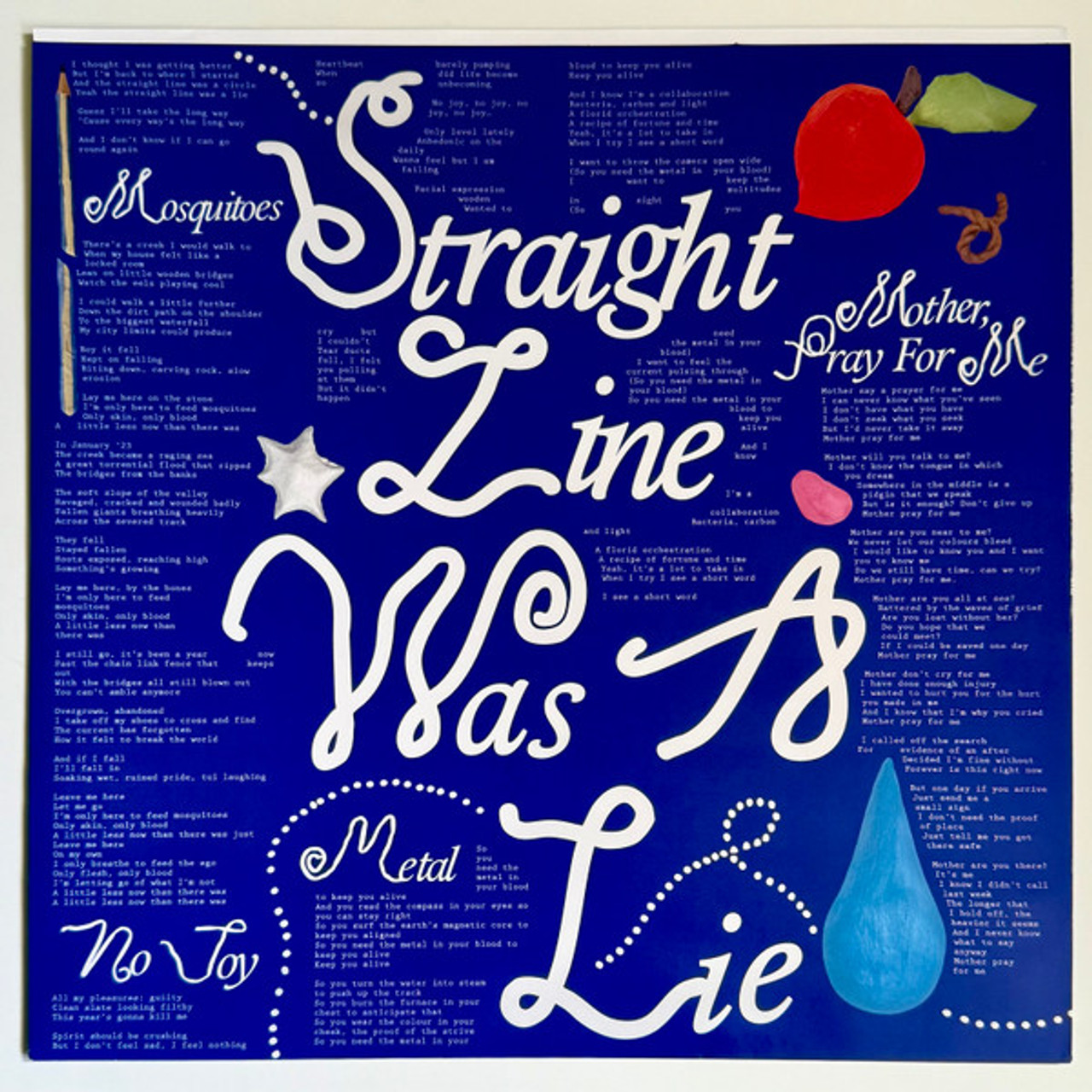
Favorite of 2025: The Beths – Straight Line Was A Lie

Introduction: Why The Beths Matter

The New Zealand indie‑pop quartet The Beths have long stood out for their sharp songwriting, earworm melodies, and the emotional honesty that pulses through their lyrics. With their 2025 album Straight Line Was a Lie, they arrive at a new peak — refined in sound yet deeply raw in sentiment. It’s a record that doesn’t just reaffirm what makes them special; it feels like a rebirth: more considered, more textured, and more vulnerable than ever. As the band enters this next chapter, it’s become increasingly clear that The Beths aren’t just good at what they do — they’re extraordinary.

I want to take a moment and explore how each member’s musical contributions blend to form the band’s signature sound, and how the lyrics on Straight Line Was a Lie carve out an intimate, unsettling, yet hopeful portrait of life, growth, and mental health.

First, a quick refresher on the lineup. The Beths consist of:

  • Elizabeth Stokes – lead vocals, rhythm guitar, main songwriter
  • Jonathan Pearce – lead guitar, backing vocals, producer/engineer (on this record)
  • Benjamin Sinclair – bass guitar, backing vocals
  • Tristan Deck – drums, cymbals and percussion, backing vocals

In past releases, The Beths were already celebrated for their “jangly” guitar pop, shimmering harmonies, and driving rhythm section.  On Straight Line Was a Lie, each member seems to lean more deeply into their strengths, and — crucially — into experimentation.

Elizabeth Stokes remains the heart of the band. Her voice — often conversational, sometimes aching — carries the emotional weight; her lyrical voice is sharper, more introspective, grappling frankly with themes of mental health, existential anxiety, familial ties, self-doubt, and the paradoxes of healing. The songs come from a place of personal upheaval, shaped by her experiences with health struggles, medication, and self‑reflection.

Jonathan Pearce wears dual hats on this record: lead guitarist and producer / engineer / mixer (on most tracks). That shift seems to have given the album a more cohesive, textured sonic palette: guitars (both his lead and Stokes’s rhythm) shimmer, sizzle, crash — sometimes jangly, sometimes atmospheric, sometimes dissonant. On songs like “Take,” the guitar solos ring with a fresh urgency; on “Ark of the Covenant,” guitar lines meld with subtle ambient touches to build something cinematic and haunting.

Benjamin Sinclair’s bass underpins the album with steady, often driving low‑end that grounds even the most introspective or experimental moments. While bass can be underappreciated in guitar‑heavy pop, here it anchors songs like “Take” with a muscular backbone that gives weight to the emotional landscape, and in upbeat numbers it drives the momentum forward, pushing choruses into sing‑along territory. The result is a rhythm section that feels both steady and alive.

Tristan Deck’s drumming and percussion complete the engine. On Straight Line Was a Lie, the drums don’t just keep time — they accentuate mood, shake loose tension, and steer transitions between jubilation and melancholy. Whether it’s propulsive beats on faster tracks or minimal, contemplative rhythms on the quieter ones, Deck’s playing adapts to the emotional terrain without overshadowing it. Backing vocals from Deck and Sinclair add subtle harmonic depth, reinforcing what has always been The Beths’ hallmark: layered vocal harmonies that linger.

Together, these four don’t just play instruments — they channel mood, memory, and meaning. On this record, the result feels less like a “band playing songs” and more like four people collaboratively mapping emotional terrain.

The sound of Straight Line Was a Lie: More than “jangly” pop

One of the defining qualities of The Beths’ earlier albums was that “jangly guitar + power‑pop hooks + emotional honesty” formula — and it worked beautifully. On Straight Line Was a Lie, they keep the hooks, but deepen the textures. The production (led by Pearce) emphasizes space, layering, contrast; songs can shift from bright, chiming pop to darker, atmospheric, even gritty territory. Critics note this album as “bigger, better and more complicated than they’ve ever been.”

The opening track and title song begins with a false start — a spoken “sorry I was thinking about something else” — a move that feels deliberate: it sets the tone for an album preoccupied with interruption, derailment, and return. The lyric “I thought I was getting better / But I’m back to where I started / And the straight line was a circle / Yeah the straight line was a lie” resounds as a central thesis. Life, the record suggests, is not a linear progression but a messy, looping, often contradictory journey.

Meanwhile, tracks like “No Joy” jolt with nervy urgency — the upbeat melody and driving beat bely lyrics that speak to anhedonia and existential stasis: “All my pleasures, guilty / Clean slate looking filthy / This year’s gonna kill me … Spirit should be crushing / But I don’t feel sad, I feel nothing.”

On “Metal,” they give form to something beautiful and strange: a metaphor about being alive as a “collaboration of bacteria, carbon and light,” needing “the metal in your blood to keep you alive.” It’s biological, cosmic, grounded, and dreamlike all at once — marrying emotion, science, and wonder in a simple but powerful package.

There’s also room for quiet minimalism. “Mother, Pray for Me” strips things back: gentle picking, soft vocals, aching longing. It’s a song about complicated family, grief, and generational wounds — and it lands not through bombast but through tender reserve.

Even the album’s final moments — on “Best Laid Plans” — feel bittersweet: jangly guitars and a buoyant rhythm, but implicit in the instrumentation and tone is a sense of unresolved longing, of “unfinished business.” It’s the sound of hope, but also of memory’s weight.

In sum: Straight Line Was a Lie isn’t simply “jangly indie pop with hooks” — it’s more ambitious: emotionally deeper, texturally richer, and willing to lean into shadows as much as light.

Lyrical worlds: Mental health, Memory, and the Myth of Progress

If the musical side is about textures, the lyrical work is about truth. On this record, The Beths — primarily through Stokes’s pen — interrogate themes of mental health, healing, identity, memory, and the uneasy breaks in between. The album’s title succinctly captures its philosophical impulse: that “linear progression is an illusion.” Life doesn’t follow a neat arc; healing does not happen on a straight line.

Much of that perspective comes from Stokes’s own life. In recent years she’s navigated serious health challenges (including a diagnosis with Graves’ disease), anxiety, and the disorienting effects of starting antidepressants for the first time. That upheaval forced a radical shift in how she writes: among other changes, she turned to stream‑of‑consciousness writing on a typewriter, exploring memories and feelings she’d avoided, and forcing herself to reckon with difficult emotions.

That kind of emotional honesty shows up throughout. On “Mosquitoes,” she wanders a creek near her home — a haven when “my house felt like a locked room” — only to find devastation: the same creek turned into a “raging sea” after floods. The song becomes quietly terrifying: an elegy to disappearance, impermanence, and the fragility of refuge.

In “Til My Heart Stops,” there’s a longing for simple embodied pleasures — riding a bike in the rain, flying a kite, dancing — even as the world feels heavy and weightless at once. According to one review, the song, with its unsettling distortion and ghostly atmosphere, “charts the fragility of life itself,” its abrupt ending like a heart’s final beat.

Elsewhere, “Ark of the Covenant” and “Best Laid Plans” explore inner excavation: digging through memory, confronting “fossilised nightmares,” searching for meaning — or closure — in the negative space of the self.

But it’s not purely despair or existential weight. There’s still wry humour, sharp imagery, and defiant tenderness. The need for “metal in your blood” in “Metal” — a call for grounding, resilience, a kind of elemental insistence on life — turns the personal and biological into something poetic and universal.

Taken together, the lyrics on Straight Line Was a Lie don’t just reflect mental health struggles or personal trauma — they interrogate the myth of constant improvement. They suggest healing is messy; growth is circular; humanity is fragile, often contradictory — but still worthy of wonder.

What this album means: Growth, Maturation, and a New Chapter for The Beths

For longtime fans, Straight Line Was a Lie may at first sound familiar: The Beths still write songs that stick in your brain. But this time, there’s a sense of expansion, of maturity, of ambition being reframed with nuance. Production is richer, the emotional stakes higher, and nothing feels simply disposable or background music. This is an album that rewards — demands — close listening.

Critically, the record has been widely praised. On aggregators it earns a strong Metascore, reflecting generally favorable to enthusiastic reviews. Reviewers note the band is “bigger, better and more complicated than they’ve ever been.” Others call it perhaps their “most incisive” album yet, one where existential anxieties and lyrical ambition meet pop hooks and evocative soundscapes.

Moreover, Straight Line Was a Lie feels like a milestone — not just in their discography, but in their artistic evolution. The move to have guitarist Jonathan Pearce handle production and engineering gives the album a more unified sonic identity. The decision by Stokes to overhaul her songwriting method — to face trauma, memory, and illness head‑on — brings a weight and vulnerability previously only hinted at. The whole band seems aligned: playing not just with precision and popcraft, but with emotional honesty.

For listeners, this album offers more than catchy choruses: it offers fellowship. It whispers that you are not alone if you’ve felt lost, stuck, or numb. It suggests that healing is not always about triumphs or tallies of progress, but about maintenance — about showing up, living, feeling, enduring. And it does all that while giving you songs you can dance to, or cry to, or sing loud at a concert.

Conclusion: The Beths as Emotional Architects

In a world that often feels driven by optimization, forward momentum, and constant productivity, Straight Line Was a Lie comes as a quiet, necessary reckoning. It refuses the idea that healing, growth, or life itself must follow a neat, linear trajectory. Instead, The Beths propose a different metaphor: life as cyclical, messy, and ongoing — something to be maintained, revisited, reflected upon, not “completed.”

As a band, The Beths have always been more than the sum of their catchy hooks or jangly guitars. On this album, they feel less like a pop act and more like emotional architects — sculptors of feeling, memory, and existential wonder. Each band member’s contribution is essential — from Stokes’s wrenching lyrics to Pearce’s layered production, from Sinclair’s grounding bass to Deck’s subtle but powerful rhythms.

Straight Line Was a Lie may end up being a soundtrack for an era — an album for when the world feels too fast, too forward, too relentlessly optimistic. It offers instead a different rhythm: patience, honesty, acceptance, and defiance.

If you haven’t listened to it yet — or haven’t listened closely — this is the moment: sit back, headphones on, and let The Beths guide you down the crooked, beautiful trail.
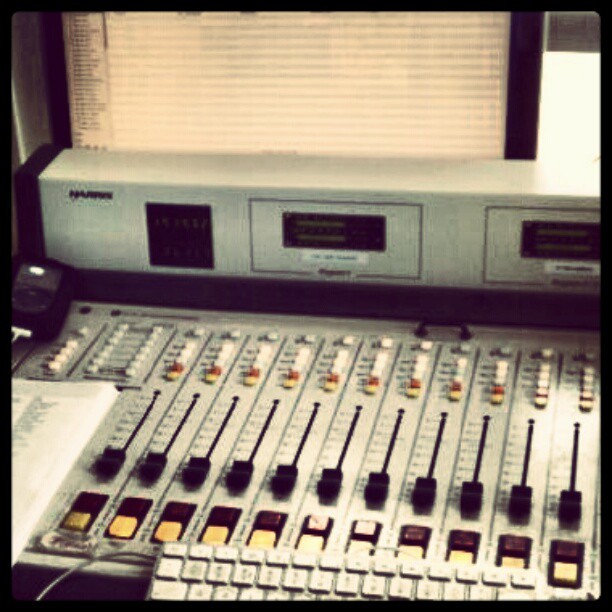
Video of the Day: The Replacements: Let It Be (Deluxe Edition) Unboxing and Interview with Peter Jesperson

Unboxing Let It Be (Deluxe Edition) with Peter Jesperson feels a bit like opening a time capsule with the person who helped seal it shut decades ago. As he lifts the lid, there’s an unmistakable spark of recognition in his voice—each piece of packaging, every photo, every scuffed tape box seems to carry a memory only he can unlock. What might otherwise feel like a standard deluxe reissue suddenly becomes charged with lived history.

Jesperson doesn’t just describe the material; he animates it. He flips through the booklet and, in an offhand comment, drops you right back into the chaos and brilliance of The Replacements in 1984. The band’s humor, volatility, tenderness, and absolute unpredictability all surface as he recalls how certain songs came together or how a particular live moment found its way onto a bonus disc.

Moving through the set with him is like being guided by the band’s archivist-in-chief—someone who doesn’t merely know the story but lived inside it. His excitement is contagious, and as he handles each artifact, the deluxe edition becomes more than a product; it becomes a reunion with the band, filtered through someone who never stopped believing in them. In his hands, the ephemera transforms into something warm and personal, a reminder of how unlikely and extraordinary this music was—and still is.

A Night at the Altar of Rock: The Tisburys, Super City, and The Laughing Chimes, and the Resurrection of Everything that Matters

My caffeine-fueled thought about last night’s amazing rock and roll show — By a Lapsed Believer Dragged Kicking and Screaming into Rapture at The Spacebar (May 29, 2025) aka Dr. J.

It started with the silence.

Not the good kind—the pregnant pause before the snare cracks or the breath before a chorus explodes—but the stifling, suffocating kind. The kind that crept in during the pandemic and never fully left. The kind that replaced feedback with buffering wheels, pit sweat with couch inertia, and the sacred communion of the club with the sad, soft glow of your phone or laptop screen.

We all said it was temporary. Just a phase. A pause button. But then people stopped going back. Live music—the lifeblood, the altar, the therapy session-meets-street fight that had once given life to every meaningful moment of youth—was suddenly an option, not a necessity. A niche. A “might”, an “interested” instead of a “must.” Streaming replaced sweat. Earbuds replaced speakers. Watching someone strum a guitar in portrait mode while you folded laundry became the sad parody of what used to be a spiritual act.

And yeah, I bought in. Who didn’t? We got older, softer, more afraid. Netflix kept churning, Spotify never ran dry, and the couch never charged a cover. They had my favorite snacks. Maybe we forgot. Or maybe we chose to forget—because remembering what it was like to feel something, shoulder-to-shoulder with strangers, might have been just too much.

But then, on a random Thursday night in Columbus, Ohio, in a cinderblock joint that still smells like 1994 and regrets, it all came roaring back like a freight train with a grudge. Three bands. A tiny stage. A room. And somewhere in the middle of it all, I found what I didn’t even know I’d lost: the magic.

Maybe we have all been a bit burnt out lately with every morning bringing menace and dread, a thin-skinned attack built on ego, narcissism, and a culture of outrage.

These past few years have felt emotionally scabbed over by years of algorithmic playlists, music discovery if it happens at all is toed strivtly to our personal past choices. And in 2025 so many mainstream limp bands more concerned with brand aesthetics than the beautiful noise of guitar feedback.

Rock and roll has become a ghost in a shaken Polaroid, a relic of denim-scraped memories buried beneath held up poster board ironic mustaches and Instagram filters. The whole thing felt embalmed, pickled, taxidermied—played through boutique pedals and boutique egos, an infinite loop of tasteful mediocrity.

But then came Last Night. One of those nights that swings down from the cosmos like a flaming power chord, grabs you by the lapels, and reminds you why you ever gave a damn in the first place. It happened at The Spacebar in Columbus, Ohio—a cinderblock cathedral tucked between bars, food joints, and a laundromat — the kind of dilapidated storefronts that might still sell VHS tapes or lottery tickets. A venue that smelled of rock and till fightingg for relevance or at least survival. The smell of the grease of good intentions.

The perfect place for resurrection.

Enter Super City.

Super City hit the stage like a lightning bolt fused with a math equation — too tight to be this wild, too wild to be this tight, like if Devo and Thin Lizzy got into a car crash and left the wreckage bleeding glitter and BPMs.

These guys didn’t play songs so much as detonate them, launching off the stage like human fireworks, synchronized like a goddamn robot army but with all the twitchy, unhinged soul of a band that knows every note could be their last. Guitars traded licks like knife-fighters in a Baltimore alley, drums cracked like whips in a circus gone feral, and the whole thing pulsed with that rare, raw urgency—the kind that makes your brain light up and your spine want to sprint straight through the drywall. It was art-damaged rock and roll with a future-funk death wish, a sound so electrified you could taste the ozone in the room.

And hell, the choreography—yes, choreography—but not in some “industry plant showcase” way. No, this was choreography as combat, synchronized movement not to seduce but to bludgeon, to commit to a kinetic madness so complete it looped around into transcendence.

One minute they were locked in like Kraftwerk with heart palpitations, the next they were thrashing their bodies across the stage like the floor was lava and the only salvation was dance. The whole room went from “I don’t know this band” to “I want to join this band” in under three minutes. They didn’t restore your faith in rock and roll—they reminded you that maybe it had evolved into something new, something faster, weirder, sweatier. Something that lives not in the past but right here, right now, sweating all over you in a bar on a Tuesday night like salvation with a tremolo pedal.

And then The Tisburys took the stage.

You ever see a band that walks out looking like maybe they’re just some regular dudes, guys you know, your co-workers at the local record store or your trivia-night competition—and then proceed to absolutely decimate your soul with rock and roll? That’s the Tisburys. They have that thing. The thing you can’t name without sounding like a lunatic or a prophet. The thing that separates the lifers from the LARPers.

From the first note, they tore into their set like a pack of dogs breaking into a butcher shop—joyful chaos, unrelenting passion, the sonic equivalent of smashing glass just to hear the sound. Think Springsteen’s storytelling welded to Big Star’s chiming melancholia, dragged through the gravel of Philly punk grit and splattered with just enough modern neurosis to feel like now. The guitars rang out like church bells for the godless. The rhythm section didn’t just keep time—they commanded it, like Kronos punching the clock with a snarl.

There was one song—title lost to the ecstatic fog of the moment—that built up slow, with this patient, pleading guitar line that felt like someone whispering secrets at the edge of the world. And when it broke? Jesus. It was like the roof lifted six inches and the universe cracked open just wide enough for all of us—sweaty, cynical, slack-jawed—to catch a glimpse of what music is for.

The Laughing Chimes.

Two minutes into their set, I was already sweating through my cynicism. These kids (and yes, kids—the kind that probably still think Hüsker Dü is a weird Scandinavian joke until they learn better) came out swinging with jangle-pop hooks like they’d just stumbled out of a time portal from Athens, Georgia, circa 1985, blinking into the fluorescence with nothing but Rickenbackers and righteous intention. There was no ironic detachment, no arch knowingness—just melodies sharp enough to slice through the smog of apathy I’d been inhaling since 2016.

They played like they meant it. You know what that means? Probably not. Because meaning it is a lost art. Meaning it is standing in front of twenty-something beer-slingers and 40-year-olds wearing Dinosaur Jr. shirts with a rhythm section that gallops like a dog finally let off the leash and singing about small towns, lost dreams, and heartbreaks that aren’t filtered through TikTok.

I felt young. Not “young” like your skincare ad says—you know, dewy and delusional—but young like: I want to start a band tonight and scream into a microphone until the cops come.

By the time The Laughing Chimes slashed through their final number—a feedback-drenched love letter to the Replacements that made me want to punch the air and cry at the same time—I was halfway converted. I could feel the old hunger stirring, the one that used to wake me up at 2 a.m. with a desperate need to play “Radio Free Europe” at bone-rattling volume.

Not money. Not TikTok virality. Not Spotify streams.

Connection. Defiance. Salvation.

And it wasn’t just the bands. It was us, the crowd—pressed together marinated in secondhand dreams, all there for the same unspoken purpose. To feel something real. I saw a guy in a vintage Guided by Voices tee taking it in like a benediction. I saw a girl lean her head on her girlfriend’s shoulder during a bridge that could have melted glaciers. I saw the bartender nodding along in the back like they’d forgotten they were on the clock. Magic. Not sleight-of-hand, not showbiz gloss—but ancient, electric, and utterly earned.

By the end, I was a puddle. Broken down and rebuilt by the raw, gorgeous power of three bands who didn’t need a light show or viral video to get through to me—just guts, melody, and an unshakable belief in the redemptive fire of a great song, played loud, in a room too small to contain it.

I walked out into the Columbus night buzzing like a man struck by divine lightning. My ears rang with the ghost-echoes of feedback and harmony. My body ached in that holy way, the kind you feel after love, surviving a riot, or finally remembering who the hell you are if even for a fleeting moment.

Rock and roll isn’t dead. It’s just waiting for you at a place like The Spacebar, on a night like that, where belief is possible again. Super City, The Tisburys and The Laughing Chimes didn’t just play a show.

They started a revival.

Video of The Day: The Laughing Chimes – High Beams

“The Laughing Chimes” song “High Beams” is a rich, atmospheric piece that blends wistful nostalgia with electrifying, almost cinematic soundscapes. As with much of The Laughing Chimes’ writing, this track has a sense of profound intimacy—a delicate balance between the personal and the universal. “High Beams” is a meditation on the tension between light and shadow, love and loss, the known and the unknown. The song pulses with a kind of nervous energy, like the flicker of headlights on a quiet street, beckoning toward a horizon that feels both alluring and frightening. (WARNING: This video may potentially trigger seizures for people with photosensitive epilepsy. Viewer discretion is advised.)

When talking about The Laughing Chimes you often focus on the emotional undercurrents of a song, examining the way music captures moments of quiet yet potent self-reflection. “High Beams” encapsulates this sensibility in its jangly yet lush, layered production. The track doesn’t rely on grandiose gestures but instead leans into subtle, almost fleeting melodies that stir something deep within the listener. Its lyrics, steeped in metaphor and imagery, invite listeners to interpret the meaning for themselves, to fold themselves into the spaces between the words, much like the way a soft beam of light might slip through the cracks of an old window, revealing glimpses of a life just out of reach.

The song’s lyrical content, rich in symbolism, evokes feelings of longing and unspoken connection, themes that many musicians explore. In “High Beams,” there is an almost cinematic quality to the way the story unfolds, similar to a film where a character is on the cusp of something important but hesitates, unsure whether to step forward or stay in the shadows. The metaphor of high beams is both literal and figurative, suggesting not only a physical presence but also the feeling of being observed, of vulnerability in the midst of something bigger and uncontrollable.

Sonically, “High Beams” leans heavily into a blend of jangly indie rock, synth, and dream-pop, not unlike the work of other artists who explore the liminal space between genres. The track swells with a bouncy reverb and compelling arrangements that create an almost enveloping atmosphere. Yet, there’s a grounding quality in the rhythm section that pulls the song back to earth, like the steady heartbeat that underlies all of our most intense emotional experiences.

In true rock and roll fashion, “High Beams” is both a journey and a destination, a portrait of the tender, precarious act of living fully in the present moment while gazing forward with both hope and trepidation. This is a song that demands repeated listening, each time uncovering a new layer, a new emotional note to be explored.

Holly Jolly Chaos: A Raucous Rebellion With a Dash of Cheer: The 14th Annual YTAA Indie Holiday

In the coming weeks we celebrate the holidays in full indie music style — is that really a thing?  On Tuesday, December 17th we will be playing new, classic, and cover holiday songs on the show.  Another year has come and gone. Can anyone else believe that we have been doing this for at least fourteen years, sheesh time does pass fast!

Indie holiday music is like that stray cat you take in—scrappy, scruffy, full of attitude, but somehow comforting. It’s the sound of bells and lo-fi drum beats weaving through a haze of reverb and melancholy, like a cold winter’s night painted in pastel hues. Forget those sugar-coated carols, these songs are the unsung heroes of the season, cloaked in irony, aching for connection amidst the forced cheer. They’ve got that off-kilter honesty, a rawness that refuses to conform to the Hallmark image of Christmas. It’s a quiet rebellion, but hell, it’s also really kind of beautiful.

We know that there is a lot of stress during the holidays with all the planning, shopping, and whatever else we are told to do during the holiday season.  Well, we believe that any task goes better with music.  So, pour yourself the ‘Nog, eat a cookie or three and let us help you relax with some great indie holiday music.  If you have a suggestion for a cool holiday tune, let us know on drjytaa on the gmail!

Dr. J can’t wait to co-host the 14th Annual Indie Holiday Radio Show on WUDR Flyer Radio 99.5/98.1’s Your Tuesday Afternoon Alternative with our good friend and frequent guest on the program, Tom Gilliam, who always brings some interesting holiday music to the mix.  And as always, the talented Mrs Dr. J has made many a fine contribution to the show as well! You expect nothing less.

This year you have two chances to hear the indie holiday festivities!  The first broadcast is on Tuesday, December 17th from 3-6 PM. Listen on 99.5 FM in Dayton, Ohio, USA, or stream the broadcast at wudr.udayton.edu.  And if that was not enough we load the show into Mixcloud! You can listen on Wednesday at our Mixcloud page! We just can’t wait to play new and classic indie holiday songs for you.  Save us some of the ‘nog.

See you there and Happy Holidays!

How We Choose Music for YTAA

As we celebrate 20 years of Your Tuesday Afternoon Alternative, we thought we would ruminate for a moment or two on how music is selected for the show. It is never easy. There is always more that we want to play than we have the time to fit onto a show setlist. Curating a compelling playlist for any radio show is an art form that goes beyond just picking popular tracks or personal favorites. For an indie DJ, like myself, especially one focusing on alternative or non-mainstream genres, the process involves a balance of passion, research, intuition, and a non-ending effort to understand an audience. So, many listeners have asked how we choose music for Your Tuesday Afternoon Alternative, I thought I would create a list of key points and explain how we have been picking music over our 20 year history.

So, take a drink, and let’s jump in. Here’s a personal deep dive into the sometimes chaotic journey of how we select music for this radio show.

1. Understanding the Show’s Identity

The starting point for any DJ is a clear vision of the show’s identity. Being an indie DJ means that here at YTAA we strive to avoid the known names and focus on artists who are making incredible music but are overlooked for oh-so-many damn reasons. We typically try to craft a unique niche to stand out amidst the sea of mainstream programming. Whether the focus is alternative, indie-folk, dream pop, lo-fi beats, underground electronic, or indie rock, this identity serves as a guiding principle for music selection. When we say that we play “Music in all Directions!” this is what we mean.

  • Theme: Does the show explore specific themes, like nostalgia, indie holidays, memorial shows for those artists that we lost in the previous year, or emerging artists? We often decide to spotlight unsigned musicians or dedicate episodes to genres like shoegaze or post-punk revival.
  • Mood: We often prioritize mood over rigid genre boundaries. Whether the vibe is mellow, energetic, or experimental, the music should align with the emotional tone they aim to create. We might let more than the usual four songs and then radio break pattern because we don’t want to interfere with the groove, flow, or vibe.

2. Know the YTAA Audience

Understanding the audience is pivotal in crafting a playlist that resonates. While we often play music and artists we love, it is not exclusively about us. An indie DJ often caters to listeners who are adventurous, open to discovering new sounds, and appreciative of diversity. This is a critical piece of song selection for us at Your Tuesday Afternoon Alternative.

  • Demographics: Who is tuning in? College students might appreciate indie pop and fresh remixes, while an older audience might gravitate toward timeless indie rock or alt classics from the 80s and 90s alternative scenes.
  • Engagement Patterns: Over the years, we have tried to find ways to interact with the audience through social media, email requests, or live call-ins. Feedback from listeners helps shape future playlists, as we gain insights into what resonates and why those sounds or those artists mean something to the listener.

By understanding an audience, hopefully, we strike a balance between challenging listeners with fresh sounds and offering comfort through familiar tracks. Adventure and comfort may sound like contradictions, and perhaps that is not a problem.

3. Endlessly Scouting for New Music

Fear of missing out on an exciting song is something that drives Dr. J. One of the most exciting yet challenging aspects of being an indie DJ is the constant search for new music. Indie/Alternative music thrives on discovery, and looking for hidden gems means we may listen to hundreds of songs in the week before the show airs.

  • Digital Platforms: Streaming services like Spotify, Bandcamp, and SoundCloud are goldmines for discovering up-and-coming artists, even though those services have serious problems and refuse to compensate artists for the art they create. Playlists curated by other indie enthusiasts, labels, and blogs often serve as inspiration for YTAA.
  • Music Blogs and Reviews: Sites like Pitchfork, Stereogum, and Consequence of Sound provide reviews and spotlights on emerging indie artists. Niche blogs that focus on specific genres are especially valuable. Writers in local city papers can be worth their weight in gold in helping us find new artists and new music.
  • Live Performances: Attending local shows, festivals, and open mic nights allows us to experience new music firsthand and connect with artists in the Dayton community. This direct interaction often results in exclusive tracks or insider knowledge that we can share about the artists.
  • Labels and Press Kits: Indie labels like Rough Trade, Carpark Records, Gas Daddy Go, Sub Pop, 4AD, Sofaburn Records, Poptek Records, and Matador Records regularly send promotional material to DJs. Receiving press kits with unreleased tracks gives DJs access to fresh music before it hits mainstream platforms.

4. Balancing Familiarity with Discovery

One of the hallmarks of a great indie radio show is its ability to introduce listeners to new music while maintaining a sense of familiarity. That balance is always a challenge – we like to think of it as familiar without being too familiar.

  • Anchor Tracks: These are well-loved songs by established indie artists that help ground the playlist. For example, including tracks from artists like Tame Impala, The National, or Phoebe Bridgers can provide a touchstone for listeners.
  • Deep Cuts and Rarities: We often dig into back catalogs of popular bands to find lesser-known tracks, giving fans a deeper appreciation of their favorite artists.
  • Spotlighting the Unknown: The thrill of indie radio lies in the discovery of fresh talent. By including tracks from unsigned bands or debut singles, hopefully, we contribute, in some small way to creating an air of excitement and exclusivity.

Balancing these elements ensures the show is approachable while staying true to the indie ethos of exploration.

5. Crafting an Authentic Narrative or Flow

Great playlists tell a story or create a sonic journey. We carefully consider the sequence of songs to maintain engagement and evoke a range of emotions. Not too many fast songs in a row, not too many slow songs. We think of it as creating a wave and movement — ups and downs, fits and starts — that keeps the audience engaged and interested.

  • Opening and Closing Tracks: The first song sets the tone, grabbing the listener’s attention immediately. Over 20 years we usually start with a rocking driving tune. The closing track often leaves a lasting impression, so we choose something memorable or reflective, something that feels like it matters. Something that has the effect of a closer.
  • Transitions: Songs are placed in an order that feels natural, with smooth transitions in tempo, key, or mood. For instance, an upbeat indie-pop track might flow into a mid-tempo electronic piece before tapering into a dreamy ballad.
  • Themes: Some shows revolve around specific themes, like a “Summer Nostalgia” episode or a “Women in Music” feature. Thematic playlists require careful curation to ensure cohesiveness.

6. Incorporating Listener Input

Interactive elements often play a significant role across many of our radio shows. We incorporate song requests or dedicate segments to listener suggestions.

  • Requests: Allowing listeners to request songs fosters a sense of community and makes the show more dynamic. This is a sacred duty. It is important for us to do this to ensure these requests fit the show’s overall vibe.
  • Shoutouts: Listeners often feel a deeper connection to the show when their recommendations or dedications are acknowledged on air and in social media.

7. Staying True to Personal Taste

Any indie DJ’s personal taste is often the driving force behind their show. And we hope that is true for us. Passion for music is infectious, and when we share tracks we genuinely love, hopefully, it resonates with listeners. Our deep respect and love for local music is a critical hallmark to Your Tuesday Afternoon Alternative.

  • Signature Style: Do we have a style? Hmmm… this is an interesting question. We often try to develop a signature style that makes the YTAA show distinctive. This could be an affinity for quirky lo-fi sounds, obscure indie, or lush dreamscapes. We love it all.
  • Experimentation: We might take risks by featuring avant-garde or unconventional tracks, and it does not always work. While not every experiment will succeed, these moments often create the most memorable radio experiences.

8. Navigating Practical Constraints

Despite their creative freedom, we operate within certain boundaries that influence our choices. Yeah, left to our own devices, we would probably play songs with the occasional swear but we can’t. Or more correctly, we shouldn’t because there are consequences if we do so. Does anyone have a spare $25,000 to cover us for a song… right? Yeah, let’s not do that.

  • Time Limits: A radio hour typically includes advertisements, station IDs, and announcements, leaving about 40-50 minutes for music. We must prioritize tracks that fit the allotted time. This is why we rarely play long songs (five minutes or more is our definition here).
  • Licensing and Permissions: We often face restrictions on what we can play, depending on the station’s licensing agreements. This can limit access to certain tracks, especially from major or regional labels.
  • Technical Considerations: Some tracks may require editing for length, explicit content, or spoken elements in the beginning or ending of songs. Again, we have to ensure every song fits seamlessly into the show’s format.

9. Highlighting Diversity and Inclusivity

This matters. We often champion diversity by including music from a wide range of backgrounds, genres, and cultures.

  • Global Sounds: Many indie DJs explore music scenes from around the world, introducing listeners to genres like Afrobeat, K-indie, or Latinx dream pop.
  • Underrepresented Voices: Highlighting female artists, queer voices, or musicians of color can enrich the playlist and provide representation often missing in mainstream radio.

10. Staying Current While Embracing Timelessness

Balancing the latest trends with timeless classics is a delicate dance. While we pride ourselves on staying ahead of the curve (if we are lucky), we also appreciate the value of songs that transcend time.

  • New Releases: Every Tuesday afternoon we regularly update the station libraries with the latest tracks, ensuring YTAA shows feel fresh and relevant.
  • Evergreens: Some indie songs never lose their charm. Revisiting tracks from influential artists like The Replacements, R.E.M., or Uncle Tupelo can add depth to a playlist.

Conclusion: We are doing our best but wish we could play more.

Choosing music for an indie radio show is both an art and a science. It requires personal dedication, creativity, and a deep connection to the music. For us, every playlist is a reflection of our identity, a bridge to an audience, and a celebration of the vibrant, ever-evolving world of indie music. By blending passion with thoughtful curation, we hope to craft shows that are not just entertaining but deeply meaningful experiences for listeners. Thank you for sharing your valuable time with us over these 20 years. It means the world to us here.

Wussy: The Best Rock Band in America

Wussy is one of those bands that everyone should know. They are an ongoing musical effort for over two decades with a deep catalog. The band’s lyrics — courtesy of Chuck Cleaver and Lisa Walker — are inescapable without being cloying or false, and the band’s observations are relatable, accurate, frighteningly honest, and perhaps more than a little sad. Yet, the dark lyrics hold a unique power to connect deeply with listeners, offering catharsis and shared understanding. They articulate complex emotions like heartbreak, grief, failure no matter what we do, the creeping realization of loss, or loneliness in ways that often resonate universally. We all have felt this way. We have all had to pick ourselves up and pack it up and continue.

This band does not ‘talk down’ or excuse the all too often unbearable. This shared complexity alongside relatability can provide solace, reminding us that struggles and loss are part of a broader human experience. Artists like Leonard Cohen, Nick Drake, XTC, and Wussy use poignant imagery and evocative language to turn personal pain into something captivatingly beautiful and communal. Research in psychology suggests that sad music, especially lyrics, can paradoxically uplift by helping listeners process emotions, offering empathy and a sense of emotional release.

Wussy’s music thrives on atmosphere and contrasts: jangly, distorted guitars and bending pedal steel coexist with heartfelt melodies, while lyrical introspection is paired with propulsive energy. The driving drums and bass arrangements further cement the band’s gravitational pull. This mix defines their aesthetic, often drawing comparisons to The Pixies, Sonic Youth, and Yo La Tengo for their dynamic range.

The band’s dual-vocal approach, featuring Chuck Cleaver and Lisa Walker, adds an emotionally layered dimension to their sound. Their harmonies weave between tenderness and grit, reflecting the tension and warmth present in their lyrics. Themes of heartache, resilience, and the mundane beauty of everyday life emerge vividly, often set against rich, guitar-driven arrangements. Wussy’s sonic identity also incorporates regional pride, as clearly evident in their references to Cincinnati and the Midwest. Critics frequently praise their ability to turn intimate, local stories into universal experiences. Their use of reverb-heavy production and jangling guitar textures evoke both nostalgic warmth and emotional depth, earning them cult status among fans and critics alike. This unique fusion of raw emotion, lyrical storytelling, and sonic experimentation cements Wussy as one of the most compelling voices in contemporary music. Their music is deeply personal yet profoundly accessible, it reminds us that we are not alone.

I consider Wussy an iconic band. Not because of a pose or prophetic statements. Their swirl and sway of instruments and voices are completely unique. No one sounds like them. Wussy, may be labeled an indie rock band from Cincinnati, Ohio, but that does not fully capture what they do. The band has returned with a highly anticipated album titled Cincinnati, Ohio (released on Friday, November 15, 2024) and we are all better for it. This record marks their first full-length album in six years and their first since the passing of guitarist and co-founder John Erhardt (who had been in The Ass Ponys with Cleaver) in 2020. Known for blending honest heartfelt storytelling with robust, guitar-driven sounds, Wussy’s latest work reflects a nuanced exploration of loss, resilience, and their enduring love for their hometown.

The new record, released through hometown label and actual record store, Shake It Records, features ten tracks, including the singles “The Great Divide,” “Sure as The Sun,” and “Inhaler.” The band’s characteristic mix of Americana, Post-Punk, lo-fi noise pop, and introspective lyrics remains central to their sound. Tracks like “The Great Divide” showcase their ability to layer droning, propulsive rhythms with deeply evocative storytelling, capturing the emotional intensity fans have come to expect from Wussy’s catalog. These songs signify a period of renewal and creativity after a period of reflection during their hiatus. Many fans are excited about the release of these songs having heard acoustic versions of several of them during live streams during the lockdown of the Covid Pandemic.

The album draws from personal experiences and the band’s shared history in Cincinnati, a city they frequently reference in their music and where they live. Themes of identity, community, and memory are woven throughout the record, with a tone that both mourns and celebrates. This duality underscores the resilience of a band that has endured significant changes while staying true to its artistic roots. The band members do not pretend or play false flag arguments about their ties to their hometown. The ties that bind here are part of the band’s identity.

Wussy also released two accompanying EPs, The Great Divide and Cellar Door, further showcasing their ability to experiment with sound and storytelling. This multi-release strategy highlights their dedication to producing layered and diverse music for their audience. And Wussy fans are happy for these releases.

The band is known — and rightly celebrated — for its DIY ethos and deeply collaborative nature. Since their formation in 2001, Wussy has been widely praised for their raw authenticity and ability to merge genres seamlessly. Cincinnati, Ohio continues this tradition while evolving their sound to address both personal and universal themes, making it a compelling addition to the discography.

You can explore the album further, and I recommend that you do so! Or better yet purchase it through Shake It Records or Bandcamp. For more insights into the band and their new music, check out their official site or the well-deserved recent press coverage.