Questions with… Sarah Rudy

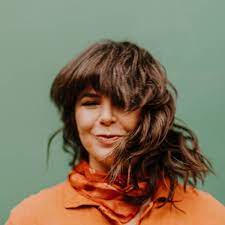
One of the benefits of doing a radio show is the opportunity to explore music with musicians who make incredible art. To sweeten the pot, the chance to interview musicians who write genuine songs that speak to you as a person is a gift. When Sarah Rudy who records as Hello June, agreed to answer some of our questions, we were overjoyed. Hello June’s ‘Artifacts’ was our top pick for album of the year in 2023 which was a rich year for music. What especially moves us is the authenticity of the music that Hello June creates.

The power of authentic music lies in its ability to transcend barriers, evoke emotions, and create connections that resonate deeply within individuals and communities. Sar Rudy possesses an incredible ability to create music that does exactly that. Authentic music, born from genuine expression and sincerity, possesses a unique capacity to speak to the human experience in profound ways. And this is deeply needed.

One of the most striking aspects of authentic music is its ability to communicate universal emotions without feeling false, fake or unreal. Regardless of language or cultural background, the raw honesty and genuine expression found in authentic music can touch the hearts of listeners wherever they might live. Whether it’s a quiet – yet powerful – ballad like ‘Napkin’ or ‘The Moon’, or a spiritual folk tune ‘Soft Love’, or a passionate rock anthem ‘Faded Blue’, ’23’, or ‘California’, authentic music made by musicians who themselves feel what they are playing has a way of tapping into shared feelings of love, loss, joy, and longing, fostering empathy and understanding among people from diverse walks of life. We all have all felt this way. And the music of Hello June, carries all of those characteristics and even more.

Moreover, Hello June‘s authentic music serves as a powerful tool for cultural preservation and expression. Through reinterpretation of traditional songs ‘Country Roads’, gorgeous guitar tone ‘California’ and ‘No Easy Answer’, and incredible melodies — the whole record! — artists preserve their experience, heritage, pass down personally meaningful stories, and celebrate their unique identities. Authentic music becomes a vessel through which cultural narratives are woven, ensuring that rich histories and traditions that do receive the favored celebrations of an ever decreasing set of themes in the mainstream music industry are not lost to time but instead are celebrated and cherished for generations to come.

In addition to its cultural significance, authentic music has the power to inspire and provoke change. As listeners we are changed when we hear this music. A whisper — ‘Country Roads’, ‘Soft Love,’ ‘The Moon’ — can be as powerful as the loudest cry in the mix of hope and despair — ‘California,’ ‘No Easy Answer’. A protest song does not always require a message to fuel social movements with anthems of resilience and hope in the face of adversity, that can be accomplished within a deeply personal statement as well. Music has historically played a pivotal role in driving social and political change. Through its ability to rally people around common experience and ignite a sense of solidarity from the ebbs and flows of pain, authentic music becomes a catalyst for action at all levels, challenging the status quo and advocating for a better world, even if the focus is in your neighborhood or your home.

Dr. J: What can you share with us about when and how you started writing music?

Sarah Rudy (SR): I started to learn to play guitar in high school, but I wasn’t truly focusing on the act of songwriting yet. It wasn’t until college, where I spent a lot of time exploring with different artistic mediums and experimenting with different forms of creating. This is where I started to really feel an affinity towards writing songs.

Dr. J: What first led to your recording music? How do you approach production?

SR: I started to craft songs on the GarageBand DAW (Digital Audio Workstation) about the same time I started writing. Using a DAW in my workflow made sense, even at that point, because I wanted to work out fairly full arrangements. I wasn’t happy with just writing the bones of the song – I needed to feel the environment that song created. I guess my thought with this has always been that if I can’t get the song to “feel right” in physical space, I wouldn’t want it released. These days, I’ve found that my process is less of a rush to the production phase of things.

For me, the daw has been an integral part of my writing, but when it comes to recording an album, I’ve let others steer the ship. I’ve loved each studio experience I’ve had, but Ive learned so much that I can’t imagine giving up that much creative control on the next one. For the next releases, I plan to record those here in our studio and I plan on pulling in some good musician/engineering friends as needed. With the next releases, I want the recordings to be as vulnerable and closeup as they can be and I feel like it’s my job to figure out how to get there.

Dr. J: The song ‘California’ captures a remarkable constellation of musical influences. The song seems to have an almost 1980s feel. Is that a correct interpretation? If that is correct, did you intend to create a song that connects to that time period? If that is not correct, how would you describe the feeling of the song?

SR: I wanted the song to have a “nostalgic” feel – that was my main goal, tone-wise. I wanted California to capture the feeling of charged love – the kind that feels exciting and scary. In order to write the song, I really needed to take myself back to the “me” that existed in my 20s. I wanted the song to capture a certain hue/tone/light – I love that it takes you back to a particular place.

Dr. J: Where do you often derive inspiration to make music?

SR: I like to be completely focused, immersed, and filled up by the things I’m working on. If there is a thought, a line, a feeling, anything that sparks something in me that makes me tilt my head or feel a bit of magic, I usually feel inclined to chase it. I have found though, that the hardest thing is pulling inspiration from an anxious or avoidant mind, so in order to allow myself the freedom to create, I try to practice self awareness and allow myself the grace to come back to an idea if my mind/body isn’t in a favorable state to produce something meaningful. In terms of what I’m writing about lately – this week I’ve written a song that nods back to a time in my childhood and another one about feeling sort of feeling like an outsider. I guess I’m always just trying to process the thoughts that go through my mind.

Dr. J: How would you describe the music that you create? How has that process evolved or changed over time (especially as you think about your journey in the last few years)?

SR: Hmmm – great question. I usually tell people that we are an “indie rock band” that has been accepted in the Americana crowds. Live, we like to get down really soft and vulnerable and we like to bring the volume up just as heavy in those big parts. I love to marinate in the details of ambient sound, so that aspect usually isn’t too far away. I try to write songs that heal my head because i do feel like we’re all sharing around ideas and latching onto the ones that resonate with us. I guess I just hope that I get a chance to resonate with the right people.

Dr. J: What is next for you musically? How would you describe your thoughts at this point for your next project or release?

SR: I feel like I am just now really starting to understand who I am as a musician, as a singer, and as someone who is committed to living a creative life. I just had a few really exhaustingly rough months – this industry is tough. I do, now though, feel like I can clearly see my path forward, and I haven’t felt that, until now. I feel strong, autonomous, and I’m moving with purpose and allowing myself to nurture my creative spirit in ways that I haven’t felt able until now.

We will be launching a Patreon here in a month or two and I couldn’t be more excited about all that comes with it. We’ve labored so much over these thoughts. My next moves, including the Patreon, are a shift away from asking the industry to see me. The industry isn’t healthy enough for anyone to lean on, so leaning seems like a bad idea, right? To me it does, and I’m unwilling to spin my wheels anymore, I guess. I want a conversation directly with my fans. I want a way to build a community up in the way that I want to – not what someone else thinks I should be doing. It’s maybe an unglamorous and practical way to see it, but I hope to be a voice in this realm and I believe we need more alternatives thrown around. My hope is that my fans (and others) begin to see that the industry only serves the very top artists – the rest are hoping, floundering, and making bad decisions that they feel like they have to make, just to be seen. As an artist, you’re told many things you “need to do” and a lot of these things are distractions from what we should be spending time on. I’ve built a strategy that is not reliant on any industry because I refuse to be dragged around, and that’s where I felt I was.

That all being said, I am working on my first solo record. I am separately working with a small group of people on a brand new Hello June record. What’s more exciting to me than that is how much I’ll be incorporating Patreon into these releases. For instance, one perk of the Patreon that I’m super excited about is letting our fans in on our process. By that, I mean, incorporating them into the process – they will get access to bits and pieces (say, a verse and a chorus in length) and they’ll be able to choose which songs we move forward with as a band. We’ll then get to work and have “fly on the wall” sessions where they are invited to watch the next steps of the process. We’ll come back around to everyone with full songs, and some those full songs will eventually be released. I’m hoping to bring my fans closer to the project, be creating more than I am “content posting” and really grow and learn as musicians and artists in the meantime.

Dr. J: What is your favorite song to perform live? What is your favorite song to perform in general? What makes that song a current favorite in your performances?

    SR: I think I’ll always be fond of playing “Handshakes” live – the flow of that one live is just really really fun. When people lock in with me, it’s as if we’re actively having a conversation and they get me. They hear me. The same goes for Interstate. That song has bridged gaps and has healed my heart in ways that only sharing that song with fans would have allowed. I love looking out to audience and knowing that our experience is shared. I’ve had many beautiful experiences with this song.

    We also have a currently unreleased song called “Another Life.” We decided not to put it on Artifacts, but it’s been a fan-favorite since we’ve played it live. It stems from the same story-line as “California,” so I’d say you can expect a similar air to it. Our Patreon folks will get that one early for sure.

    We want to extend our sincere gratitude to Sar Rudy for answering our questions and continuing to make truly authentic excellent music! Click on the links below the article to visit Hello June’s social media or to listen to the songs that we discussed! If any musicians or artists would like to participate in future ’Questions with…’ columns, please feel free to email us at drjytaa@gmail.com. All photos and images courtesy of Hello June.

    Facebook Youtube Bandcamp Website Twitter Instagram Soundcloud TikTok

    Favorites of 2023: Just the List

    This time of the year every music writer’s fancy turns to the ubiquitous quest for the best of/favorites of the year. We start with a list of albums and singles we played on YTAA at least three or four times. Then we consider what songs and records slipped into our consciousness and we spent more time simply thinking about that song, that album — those words. If there is a pattern to what we loved in 2023, it is a bit hard to pin down. If we take a wild stab at an answer, 2023 was a year of amazing music from powerful, strong, thoughtful women musicians. From the incredible voice of Sarah Rudy in Hello June to the authenticity of Kim Ware and Van Plating across to the irresistible guitar tones and perfect singing of Tamar Berk, Blondshell, Beth Bombara, and Lydia Loveless, so many outstanding records were made outside of the men’s club this past year — and that is a welcome change.

    Every writer, just like every music fan, has styles and sounds that they are irresistibly pulled towards. Clearly, Dr. J loves guitar. For some writers the list is likely to be diverse, reflecting a fusion of genres and innovative production techniques. And that is fine. With the continued influence of technology, some writers are drawn to artists who experimented with new sounds and collaborate across musical boundaries, creating a sonic outcome that resonates. For other writers, the search for a pure direct authenticity of instruments lead them to the streets where the music is painted without electronics. Acoustic and stripped down arrangements played on traditional equipment bring gratitude to the heavens for that music from some writers.

    When crafting a list of favorites from the year, some writers will consider representation. Genres such as indie pop, electronic, and hip-hop may continue to dominate, with emerging artists bringing fresh perspectives and pushing creative boundaries. Collaborations between mainstream and indie artists could lead to unexpected yet captivating musical experiences. Shoegaze, for example, has made many returns after some commentators spilled tremendous amounts of ink over the idea that shoegaze had come and gone. Music in the year 2023 saw several bands who represented that style.

    Lyrically, many of the themes explored in 2023 revolve around social issues, personal growth, feeling whatever the artist needs or desires to feel, perhaps some of the “Best” representations for the year are the songs that grab and do not let go of the human experience. Artists may use their platforms to address pressing matters, providing listeners with thought-provoking content that goes beyond mere entertainment and that might be the magic that some writers are drawn to when considering all the records and songs that came out during one trip around the sun.

    There are some ‘off limits,’ ‘don’t walk on the grass’ ideas for us here at Your Tuesday Afternoon Alternative. Sure, the rise of virtual and augmented reality experiences may revolutionize the way music is consumed, offering immersive and interactive performances that redefine the traditional concert experience. But for us, human beings need to be part of the creation and experience of music. Streaming platforms might incorporate cutting-edge technologies to enhance the listener’s engagement with the music and while we can and should debate the lack of compensation, which is only going to get more challenging in 2024, AI generated melodies, tones, and arrangements of notes are not considered for inclusion on our favorites of the past year.

    The best albums of 2023 could be those that not only showcase exceptional musical talent but also tell compelling stories or provide a unique perspective on the world. Artists who successfully blend innovation with authenticity may find themselves at the forefront of critical acclaim and commercial success and, to be entirely transparent, will immediate draw our attention for a favorites of the year.

    Ultimately, the best music of 2023 will likely be a subjective experience, as individual tastes vary widely. However, it is important to consider this a reflective exercise. Every year is poised to be an exciting time for music enthusiasts, with a plethora of sounds and styles to explore, pushing the boundaries of what we thought possible in the world of music. Every year is full of promise. No annual march of the calendar is without merit and new experiences. So, to create a list of the music that moved you in 2023, is not to close the door to new auditory love but to remember we break our hearts so we can fall in love again with songs and albums we have not even heard yet.

    The list below is our start on our favorites from this past year. A longer set of articles will come out exploring what it was that caught our attention in these albums and songs.

    Favorite record for us in 2023:

    Hello June – Artifacts

    You can read our review of this fantastic record!

    This music transcends time and place, resonating with listeners in their quest for meaning and understanding. The lyrics serve as a mirror, reflecting the innermost thoughts and emotions that often remain unspoken. Hello June’s “Artifacts” is a sonic masterpiece — and we are prepared to die on that hill to defend that assertion — that deserves a place in the hearts of all music fans. It is a timeless record that captures the essence of the human experience, a treasure chest of emotions waiting to be discovered with each listen. 

    In no particular order of importance but records that we believe were mightily impressive:

    The 1984 Draft – Best Friends Forever

    The Replacements – Tim Let It Bleed Edition (Ed Stasium Mix)

    Tamar Berk – Tiny Injuries

    Smug Brothers – In The Book of Bad Ideas

    Elephants and Stars – Get Your Own Army

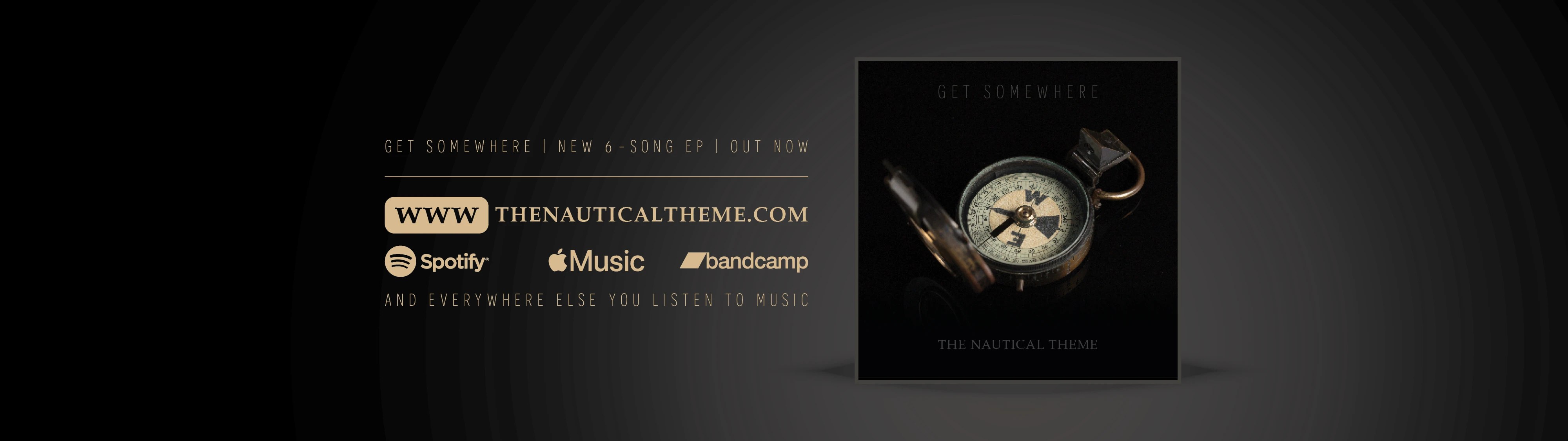
    The Nautical Theme – Get Somewhere

    Palm Ghosts – I Love You, Burn in Hell

    Van Plating – Orange Blossom Child

    Lydia Loveless – Nothing is Gonna Stand In My Way Again

    Kim Ware – Homely

    Bottlecap Mountain – O Fantastik Melancholy

    Beth Bombara – It All Goes Up

    Nicholas Johnson – Shady Pines Vol. 2

    The Pretty Flowers – A Company Sleeve

    The Connells – Ring (Deluxe Edition)

    Black Belt Eagle Scout – The Land, The Water, The Sky

    Blondshell – Blondshell

    Achilles Tenderloin – Tincture for Trouble

    Mike Bankhead – I Am Experienced

    Jason Isbell and the 400 Unit – Weathervanes

    Some of our Favorites of 2023:

    Arthur Alexander – …Steppin’ Out!

    Mommy – Be Your Own Pet

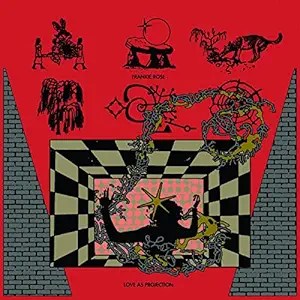
    Frankie Rose – Love as Projection

    Cold Expectations – Static Reactions

    Connections – Cool Change

    The Connells – Set The Stage

    Dolph Chaney – Mug

    En Attendant Anna – Principia

    Graham Parker & The Golden Tops – Last Chance to Learn the Twist

    Guided By Voices – Nowhere to Go But Up/Welshpool Frillies

    H.C. McEntire – Every Acre

    Jess Williamson – Time Ain’t Accidental

    John P. Strohm – Ready for Nothing

    Jphono1 – Invisible Futures and Make Believe Pasts

    Louise Post – Sleepwalker

    Love Rat – Howl at the Moon

    Matt Moran – Heartache Kid (Acoustic)

    The Radio Field – Don’ts and Do’s

    Shannon Clark & The Sugar – This Old World

    Special Friend – Selkie

    Tino and DJ Marrrtin – La Pie Bavarde

    Trapper Schoepp – Siren Songs

    Singles

    No One Sphere – Fingerz to Lips

    Elephants and Stars – Bled Out At The Scene

    David Payne – Best Intentions

    We Met In Paris – Mont Blanc Massif

    The National – Eucalyptus

    sparkle_jets uk – He’s Coming Out

    The Well Wishers – So Important

    Tod Weidner – Raising Pain

    Mike Bankhead – Latent

    Given Names – Makin’ Eyes

    Cowboys in The Campfire – Here We Go Again

    Teenage Fanclub – Foreign Land

    Hannah Jadagu – Lose

    High on Stress – Over-Thru

    Jeremy Porter and the Tucos – Five-Foot-Three and Tiger Eyes

    Tyler Childers – Rustin’ in the Rain

    Kurt Lee Wheeler – We Will Travel

    Honorable Mentions

    Yo La Tengo – This Stupid World

    Amber Hargett – Coal Mine Canary

    Brainiac – The Predator Nominate EP

    Quiet Signals – Quiet Signals

    Unveiling the Artistry of the Cover: A Deep Dive into the Enduring Allure of Cover Songs

    In music, few phenomena encapsulate the intersection of homage, innovation, and reinterpretation as effectively as cover songs. These musical tributes, where an artist reinvents and reinterprets an existing piece of work, have been an integral part of the musical landscape for decades. Right now I am embarking on a journey through the annals of cover songs reading Ray Padgett’s “Cover Me: The Stories Behind The Greatest Cover Songs of All Time,” it becomes evident that these renditions are not mere replicas but windows into the soul of the artist, revealing layers of influence, creativity, and the timeless allure of the songs that resonate across generations. Sure, not every cover song works but when they do, its magic.

    The roots of cover songs are deeply entwined with the evolution of popular music. In the early days of the industry, covers were often straightforward reproductions of popular tunes, serving as a means for artists to capitalize on the success of others. Pat Boone’s early career demonstrates this most clearly. However, as music evolved, so did the approach to cover songs. We have championed the idea that a cover song, when approached with artistic intent, has the potential to transcend its origins and become a unique piece of art in its own right; and to that end, we regularly share songs on Your Tuesday Afternoon Alternative with the tongue-in-cheek label #YourCovered.

    One of the defining characteristics of a memorable cover is the ability of the artist to infuse the song with their own distinct style and personality. This is where the magic of reinterpretation comes into play. Trouser Press, with its keen eye for artistic innovation, has always celebrated cover songs that go beyond mere imitation, offering a fresh perspective that breathes new life into familiar melodies.

    Consider Johnny Cash’s iconic cover of Nine Inch Nails’ “Hurt.” Don’t we all appreciate the pure and devastating raw emotion and vulnerability that Cash injected into the song, transforming it into a haunting meditation on his own mortality near the end of his days. The juxtaposition of Cash’s weathered voice against the industrial soundscape of the original creates a poignant contrast, turning the cover into a soul-stirring reflection on the passage of time and the weight of a life well-lived while still yearning to accomplish more before you leave. Most recently, Hello June’s cover of “Take Me Home Country Roads” — like Cash with “Hurt,” strip the song to its essence so that we can pause, if only for a few moments, and drink in the unadulterated emotion of the song.

    We at YTAA commend artists who take bold creative risks with cover songs, pushing the boundaries of genre and style. Take, for instance, Jeff Buckley’s ethereal rendition of Leonard Cohen’s “Hallelujah.” We should laud Buckley’s decision to strip down the song to its honest bare essentials, allowing his haunting vocals and sparse instrumentation to convey a sense of intimacy and vulnerability. In this case, the cover transcends the original, becoming an iconic piece that stands as a testament to Buckley’s artistic prowess.

    We also recognize the power of cover songs as a means of introducing audiences to different genres and eras of music. When a contemporary artist takes on a classic from a bygone era, it serves as a bridge between generations, fostering a deeper appreciation for the rich tapestry of musical history. Celebrated artists can pay homage to their influences while introducing these timeless tunes to new audiences. I immediately think of Uncle Tupelo’s version of “Sin City.”

    Uncle Tupelo’s cover of “Sin City” by The Flying Burrito Brothers is a testament to the band’s ability to bridge the gap between generations and genres, infusing a classic country-rock tune with their distinct alt-country sensibilities. Released as part of the “I Got Drunk” single released in 1990, Uncle Tupelo’s interpretation of “Sin City” pays homage to the roots of country music while adding a layer of grit and authenticity that defines their unique sound.

    At the core of Uncle Tupelo’s cover is an evident reverence for The Flying Burrito Brothers’ original version. “Sin City” was a defining track on The Flying Burrito Brothers’ seminal 1969 album “The Gilded Palace of Sin,” co-written by Gram Parsons and Chris Hillman. The song, with its poignant lyrics and twangy guitar riffs, became an emblematic piece of the country-rock movement of the late ’60s and early ’70s.

    Uncle Tupelo, known for their role in shaping the alternative country (alt-country) genre, took on the challenge of reinterpreting this classic with a keen understanding of its historical significance. The result is a cover that pays homage to the roots of country music while injecting it with the raw energy and authenticity that characterized Uncle Tupelo’s approach to their craft.

    The cover opens with a stripped-down arrangement, featuring acoustic guitars that echo the simplicity of the original. However, Uncle Tupelo adds their own signature touch by incorporating a raw, unpolished quality to the recording. The vocals, delivered with a sense of earnestness by Jay Farrar and Jeff Tweedy, convey a genuine connection to the song’s themes of disillusionment and the pitfalls of city life.

    What distinguishes Uncle Tupelo’s version is the infusion of alt-country elements, seamlessly blending the traditional with the contemporary. The band’s choice to incorporate elements of rock, punk, and folk into the cover reflects their commitment to pushing the boundaries of the country genre. The twangy guitars are accompanied by a slightly distorted edge, providing a sonic element that captures the spirit of both eras—the original release and Uncle Tupelo’s early ’90s alternative country movement.

    In true Uncle Tupelo fashion, the cover of “Sin City” is not merely a replication but an evolution. The band’s interpretation of the lyrics, sung with a sense of urgency, brings a renewed relevance to the timeless themes of the song. Uncle Tupelo’s cover serves as a bridge between the past and the present, showcasing the enduring power of well-crafted songs to resonate across generations. Uncle Tupelo’s cover of “Sin City” is a masterful tribute that highlights their ability to honor musical heritage while imprinting it with their own unique sonic identity. By infusing a classic Flying Burrito Brothers track with the raw energy and authenticity of alt-country, Uncle Tupelo pays homage to the roots of country music while paving the way for the evolution of the genre.

    Another exemplary case is Amy Winehouse’s rendition of the jazz standard “Valerie,” originally by The Zutons (from their excellent 2006 album Tired of Hanging Around). I would commend Winehouse for infusing the song with her signature blend of soul and jazz, breathing new life into a classic and introducing it to a generation unfamiliar with its origins. In this way, cover songs become a form of musical education, connecting the dots between the past and the present.

    Music critics would be quick to point out that not all cover songs are created equal. The success of a cover lies not only in the artist’s ability to reinterpret the material but also in their sincerity and authenticity. While YTAA champions artists who approach cover songs with genuine respect for the source material, eschewing mere mimicry in favor of a creative dialogue with the original work.

    For instance, when The White Stripes tackled Dolly Parton’s “Jolene,” Jack White’s decision to bring a raw, bluesy edge to the classic country tune has been questioned by some. Is that sincerity in White’s delivery or simply his delivering the song in an almost sarcastic frame. We need to recognize that the most intriguing cover is not an attempt to overshadow the original but rather create a heartfelt homage that pays tribute to the timeless appeal of Parton’s songwriting.

    In exploring the world of cover songs, the instances where artists use covers as a canvas for their own experimentation and subversion can be thrilling. Artists who challenge conventions and push the boundaries of genre, and cover songs offer a unique platform for such creative exploration. Consider Devo’s deconstruction of The Rolling Stones’ “Satisfaction.” We should revel in the avant-garde approach that Devo took, turning the iconic rock anthem into a quirky, electronic experiment. This kind of cover embodies the ethos of celebrating artists who fearlessly venture into uncharted territory, reshaping familiar tunes into something entirely unexpected in a way that is real from the perspective of the artist.

    Cover songs can also carry socio-political significance. In times of social change, artists often turn to covers as a means of expressing solidarity, protest, or reflection. Cover songs that serve as a commentary on the zeitgeist, amplifying the voices of those who seek to inspire change through music can also be a powerful approach.

    An exemplary case is Tracy Chapman’s rendition of Ben E. King’s “Stand By Me” during the “Freedom Now” concert in 1988. I want to highlight the powerful symbolism in Chapman’s choice of cover, turning a classic love song into a poignant anthem for justice and equality. In this instance, the cover becomes a vehicle for social commentary, aligning with a tradition of celebrating artists who use their platform to address pressing issues.

    As we delve into the expansive realm of cover songs, it becomes evident that a commitment to artistic integrity and innovation would recognize the myriad ways in which artists breathe new life into existing material. From soul-stirring reinterpretations that tug at the heartstrings to avant-garde experiments that defy genre conventions, cover songs offer a canvas for artistic expression that resonates with Trouser Press’s dedication to celebrating the ever-evolving landscape of music.

    Perhaps the allure of cover songs lies in their ability to transcend the boundaries of time, genre, and generation. Whether it’s a contemporary artist paying homage to their musical roots or a groundbreaking reimagining that challenges preconceived notions, cover songs continue to captivate audiences and serve as a testament to the enduring power of musical reinterpretation. We need to turn a discerning eye toward the nuances of artistic expression and recognize cover songs as a dynamic and integral part of the ever-evolving narrative of popular music.

    Video of The Day: Hello June – Napkin

    In the ever-shifting of the goalposts in indie music, Hello June emerges as a formidable force — see our review of their excellent Artifacts album — and their latest music video is for the song, “Napkin.” The song is a masterstroke that underscores their authenticity and musicality.

    Hello June’s frontwoman, Sarah Rudy, unfurls a narrative drenched in raw emotion, reflecting on moments of vulnerability and self-discovery. “Napkin” is an intimate confessional, delivered with a hauntingly beautiful voice that captures the essence of a soul laid bare. The haunting instrumental arrangement until an unexpected explosion paints a sonic picture that runs the emotional tumult of the lyrics, further strengthening the song’s resonance.

    The track’s compelling lyrics reveal the intricacies of human relationships, akin to the crumpled napkins that soak up spilled drinks and hidden sorrows. Rudy’s lyrical craft is akin to a modern-day poet, channeling the complexities of love, longing, and the leaving of pieces of ourselves with one another even if we are no longer a part of each other’s lives, with profound authenticity. As the song unfolds, it’s impossible not to feel the weight of these words:

    All the houses were glowing – in the distance there like stars
    When you and me were dreaming, we weren’t counting any scars
    I wrote it on this napkin that I would never be what you need
    Couldn’t tell myself it’s over, so I left a piece of me, so I left a piece of me

    Musically, “Napkin” is a brilliant patient song of understated perfection. The delicate interplay between the guitars and Rudy’s ethereal vocals creates a sonic atmosphere that is both melancholic and mesmerizing. The song builds with an inexorable, yet restrained force, culminating in a cathartic crescendo as Rudy sings:

    Cause I heard that I’m a good time
    And I’m just another alibi
    I’m the one in your dreams
    I’m the ghost down the hall
    The love of your life
    But I’m nothing at all

    And that leaves an indelible mark on the listener’s soul. “Napkin” and the evocative music video has Hello June clearly proving their mettle as storytellers and musicians. Their ability to capture the fragile beauty of human frailty and vulnerability sets them apart from the crowd. This is not just a song; it’s an experience that leaves you both moved and enlightened. You wonder what piece of yourself you left with someone else whether you meant to or not.

    In a time when the world craves authenticity and emotional depth in music, Hello June’s “Napkin” delivers on all fronts. It’s a song that more than deserves to be heard and cherished.

    The Enduring Resonance of Albums

    In the ever-evolving landscape of music, where singles reign supreme on the charts and dominate streaming and what’s left of radio airwaves, it may seem audacious to suggest that albums still hold an essential place in the hearts of musicians and music fans. Consider the profound exploration of the myriad reasons that albums, those cohesive and immersive bodies of work, continue to be more important to the world of music than singles. Simply put, why do albums, as comprehensive artistic expressions, outshine the fleeting glimmers of singles? In an updated article in June of this year, The New York Times noted that Vinyl is selling so well that it has become difficult to sell.

    In today’s digital age, where the allure of instant gratification looms large, singles often capture our attention with catchy hooks and immediate gratification. The latest new “thing” pushed by the music industry. However, one could argue that singles stand as mere fragments of a larger narrative, while albums, these grand tapestries of sound, continue to stand tall as the ultimate artistic statement. I would like to explore why albums reign supreme, holding the keys to the heart and soul of the music world.

    To understand the importance of albums, one must delve into the very essence of music itself. At the core of the musical experience lies storytelling and emotional depth, attributes that albums are uniquely positioned to deliver. Unlike singles, which are often a fleeting burst of musical energy, albums invite us to step into the artist’s world, witness a narrative unfold, and take a journey through a spectrum of observations and emotions. I recently wrote about an album that delivers just such a passionate kick, Hello June’s Artifacts – which you should explore because in doing so, you are exploring yourself.

    While singles can provide instant gratification, it’s albums that offer a depth of connection with an artist/band. A well-crafted album reveals the artist’s identity, their evolving style, and their growth over time. It is through albums that we can chart an artist’s musical journey, from their early struggles to the heights of their creative prowess. While singles are often designed to strike like lightning, albums are the tempest that follows, the storm that leaves us soaked. A full record gives artists the freedom to experiment and explore. Take, for instance, The Beatles’ “Sgt. Pepper’s Lonely Hearts Club Band.” This groundbreaking album saw the band transition from their pop roots into a new realm of sonic experimentation ( although, I could argue that this search for ever-expansive creative expression began with “Rubbert Soul” and took a leap forward into the ether with ‘Revolver,” but “Sgt. Pepper is the album that most people know so I use that as the example here). The canvas of an album allows artists to stretch their creative muscles, delivering a varied, dynamic, and enriching musical experience.

    The sequencing of songs in an album is a meticulous art. It’s not just about stringing tracks together; it’s about creating a cohesive narrative. From the frenetic energy of an opening track to the cathartic release of the closing one, albums take us on a journey that singles, by their very nature, cannot replicate. The art of sequencing tracks on an album is like composing a symphony. A well-structured album takes the listener on a journey, from the opening notes to the closing chords. The arrangement of tracks is a work of art, carefully designed to elicit emotional highs and lows. Albums make us feel as if we’re part of something bigger, a story told through sound.

    Think of iconic albums like Pink Floyd’s “The Wall” or The Beatles’ “Revolver” (see I found a space for it). These are masterpieces that transcend individual songs, and it’s the collective experience of listening to the entire album that elevates the music to a different realm. Albums are capable of evoking deep emotions, transcending time and space to create profound memories. Albums, in all their glory, are where the art of storytelling finds its true home. From Pink Floyd’s “The Wall” to Kendrick Lamar’s “good kid, m.A.A.d city,” these long-form musical narratives immerse the listener in a profound experience. It’s not just about catchy hooks or a chorus; it’s about crafting a journey that unravels, evokes emotions, and leaves an indelible mark on the listener.

    One key aspect of albums that singles lack is thematic unity. An album often explores a central theme, be it love, politics, or existential musings. This thematic continuity enriches the listening experience and helps listeners connect with the artist’s vision on a profound level. Albums are the fertile ground where new genres and subcultures take root and thrive. Think about Nirvana’s “Nevermind” ushering in the grunge era or Public Enemy’s “It Takes a Nation of Millions to Hold Us Back” shaping the future of hip-hop. These albums weren’t just music; they were cultural movements. Albums provide the platform for artists to explore new musical territories, ultimately influencing the very landscape of popular music.

    The art of album cover design is another underappreciated aspect of the album format. Iconic album covers such as Nirvana’s “Nevermind” or Pink Floyd’s “The Dark Side of the Moon” are etched in the annals of music history, providing a visual representation of the artist’s vision.

    Albums allow artists to experiment and take risks, push the boundaries of their creativity, and challenge listeners. Singles, on the other hand, are often shaped by the need for immediate chart success. It’s the albums that serve as the canvas for musical exploration and innovation. Albums serve as a bridge between artists and their audiences. Through the lyrics, melodies, and arrangements, artists reveal their innermost thoughts, feelings, and experiences. Listening to an album is not just passive consumption; it’s an intimate, transformative experience. Whether it’s the heartbreak of Adele’s “21” or the political urgency of Bob Dylan’s “The Times They Are A-Changin’,” albums foster a profound connection with the listener.

    Not only do albums provide a broader canvas for musical expression, but they also offer artists a platform to collaborate with a diverse range of musicians, producers, and engineers. These collaborative efforts can result in a rich tapestry of sound that transcends the limitations of singles.

    The album format is also crucial in showcasing an artist’s versatility. While a single may only capture one facet of an artist’s talent, an album can showcase their range, from intimate ballads to boundless rockers, from introspective lyrics to politically charged anthems. Consider the album as an immersive experience, akin to reading a novel or watching a film. Albums encourage us to set aside time, to actively engage with the music, and to appreciate the full spectrum of an artist’s expression. They invite us to lose ourselves in a sonic world.

    One of the most compelling arguments in favor of albums is their capacity to provoke deep and sustained discussion. Critics and fans alike engage in in-depth analyses of albums, debating their merits, themes, and artistic choices. Singles, although enjoyable, rarely evoke the same level of discourse. As we’ve seen, albums possess unique qualities that make them a vital and enduring aspect of music. The depth, thematic coherence, sequencing, visual art, room for experimentation, and capacity for discussion all contribute to their longevity. In an age where instant gratification often trumps artistic depth, the enduring importance of albums in the world of music should not be underestimated.

    Video of The Day: Hello June – Sometimes

    In an industry often saturated with formulaic hits and fleeting trends, Hello June stands as a refreshing gust of authenticity with their third single — ‘Sometimes’ — from the forthcoming album ‘Artifacts’. This indie-rock quartet hailing from Charleston, West Virginia, continues to carve their niche in the contemporary music scene with a sound that’s both hauntingly introspective and irresistibly groovy.

    ‘Sometimes’ opens with a mesmerizing guitar riff that immediately draws the listener into its melancholic embrace. The hauntingly beautiful vocals of frontwoman Sarah Rudy take center stage, carrying a raw emotional weight that’s impossible to ignore. Rudy’s voice, reminiscent of rock legends like PJ Harvey and Patti Smith, is both vulnerable and powerful, perfectly encapsulating the lyrical themes of introspection and self-discovery.

    Lyrically, the song delves deep into the complexities of human existence and the ever-present battle between light and darkness within us. Lines like “Sometimes you want to cry / Sometimes you just can’t” resonate with universal truths, offering a lyrical depth that transcends the confines of typical rock fare. What we say and how we say it matters.

    Musically, Hello June showcases their mastery of dynamics, seamlessly transitioning between hauntingly atmospheric verses and explosive, anthemic choruses. Artifacts, which comes out on October 6th on 31 Tiger Records, was recorded in Nashville at Bell Tone Recording with producer Roger Alan Nichols, featuring Rudy on vocals and guitar, Paul Niehaus on pedal steel (Calexico, Iron & Wine, Justin Townes Earle, Lambchop), Caleb Crosby on drums and percussion (Larkin Poe, Noah Gundersen), and Nichols on guitar (The Veronicas, Tyler Bryant & the Shakedown). The rhythm and swing of the song, anchored by drummer Caleb Crosby provide a solid foundation for the soaring guitar work of Rudy and Nichols punctuated by the dreamy pedal steel of Niehaus, all combining to create a sonic landscape that’s both captivating and emotionally charged.

    ‘Sometimes’ is a song that grows with each listen, revealing hidden layers and nuances that make it a standout track in Hello June’s body of work. It’s a testament to the band’s evolving artistry and their commitment to creating music that speaks to the human experience without feeling academic or false.

    In an era when authenticity and genuine emotion often take a backseat to commercialism, Hello June’s “Sometimes” reminds us that there are still artists out there who are unafraid to bare their souls through their music. With its haunting melodies and introspective lyrics, this track solidifies Hello June as a band to explore and appreciate for anyone who loves a great song.

    In “Sometimes,” Hello June has not only delivered a remarkable song but also a profound emotional journey that lingers long after the final notes fade. It’s a testament to the enduring power of rock and the boundless potential of this group. Keep an eye on Hello June; they’re poised to make waves in the music world.

    Hello June on Bandcamp
    Instagram
    Facebook
    Glide Premier of ‘Honey I Promise’

    YTAA 05-26-2020 Playlist

    We continue to share our playlists via Spotify here. Please give our show a listen and support these terrific artists directly in any way that you can! Now more than ever we need to support and take care of one another!

    This week we are playing music from Yuppie, Jetstream Pony, Kidbug, Charlie Jackson and the Heartland Railway, The Beths, Steve Earle, WOODS, Trace Mountain, Khruangbin, The Sonic Dawn, The Radio Dept., David Allen, Porridge Radio, Rolling Blackouts Coastal Fever, Jason Isbell, Choir Boy, The Katawicks, Yalecollegegraduate, Jetty Bones, The National, Loose Tooth, True Lies, Wussy, Kyleen Downes, The Corner Laughers, The Story Changes, Hello June and more!

    Check out the live stream from Yuppie at Encore Studios on May 27th at 8pm!

    a0025564858_16We are also playing a brand new song that we are very excited to share with all of you music lovers!

    Painting Pictures‘ is the latest and newest music from Dayton singer-songwriter, guitar player and all around amazing voice Amber Hargett that came out today! A real gift to have new music from her! Such a great song! She is joining a fine case of local musicians who are live streaming on May 30th to raise funds for Ohio restaurant workers!

    R-1790873-1306445379.jpegIn addition to all of that musical goodness, we have two songs from The Connells — one song to celebrate the 22 years since the release for their album ‘Still Life’ and another rare live song ‘Rusted Fields’!

    The ‘Still Life’ album was the last to include the original lineup of this legendary band! And the word is that the band has finished recording a new record that is headed our way soon, tentatively titled ‘Steadman’s Wake.’ Count us among the excited for this new music!

    So give the playlist a listen. Dr. J will be posting videos on the Facebook page for YTAA beginning at 3pm because that is show time for YTAA! Please stay safe and be well!

    your-tuesday-afternoon-alternative-color copy