Favorites of 2025: Sadbox – Everything’s A Shame

Sadbox and Everything’s A Shame

In a musical landscape flooded with glossy production and instant-stream forgettability, Everything’s A Shame stands out — not because it tries to conform, but because it embraces messy humanity: raw ideas, family schedules, basement rehearsals, and songs born from everyday chaos. The EP from Dayton-based rock band Sadbox (released October 3, 2025) feels intimately local while resonating with universal truths.

For a band balancing real-life demands — kids, careers, responsibilities — Sadbox delivers a sound that is energetic, quirky, honest, and sometimes unsettling. The result is a three-song burst of “technical weirdo rock,” as some have called it — music that doesn’t aim for radio-friendly formulas or uniform polish but seeks genuine expression, emotional depth, and a touch of controlled chaos.

In what follows, I examine who these musicians are, how the EP was created, what their sound and lyrics reveal, and why Everything’s A Shame feels like a small but significant critique of the sanitized norms of mainstream rock.

Who’s making the noise — the people behind Sadbox

Sadbox isn’t a typical rock band that churns out songs just for fame. It’s a group of musicians grounded in everyday life, each with responsibilities beyond music. Sadbox is led by guitarist and lead singer Paul Levy, whose dual role as a surgeon brings a unique mix of precision and spontaneity to the band’s sound. He’s joined by Eli Alban on guitar, who also plays in The 1984 Draft and adds extra tonal nuance and energy to the group. Ryan Goudy provides the band’s steady, melodic bass foundation, while Ray Owens propels the songs with his dynamic, intuitive drumming. Completing the lineup for this release is Rachele Alban, whose vocals and keyboard work expand Sadbox’s sonic palette and deepen the emotional texture of the record.

The record — recorded, mixed, and mastered by local engineer/producer Fred Vahldiek known as Fredzo at Fredzoz Studio (one of our favorite records from The 1984 Draft, Best Friends Forever was recorded there) — is simple, direct, and straightforward. As drummer Ray Owens mentioned in an interview, balancing family life (with a collective total of 13 kids in the band) means music sometimes has to be as spontaneous and immediate as a family dinner: “the practice forum is similar to a live show.” That constraint — rather than hurting the music — seems to sharpen it, giving the band’s sound a rough clarity and urgency that polished over-production often hides.

Sound and style: “technical weirdo rock” with heart and edge

Sadbox’s music has been described as “alternapop / college-rock-style,” but Everything’s A Shame doesn’t fit neatly into any single category. Instead, it combines elements of grunge, rock, and weird-pop, with occasional narrative or character-driven lyrics that evoke theatrical rock or even prog-lite experiments.

The opening track — “Dust” — leans into ’90s grunge style. Over-amped vocals, gritty guitar sounds, and a tight rhythm section evoke the emotional chaos and existential worry of that time. The feeling of movement — a car speeding down a lonely road, a restless mind at midnight — stands out. That tension fits especially well with the lead singer’s dual identity: the precision of his professional life contrasted with the rough edges of his artistic side.

The second track, “All Rhymes for Scoop,” initially seems like a playful word game, but that expectation is overturned. Instead of listing rhymes for “scoop,” the song acts as a critique — perhaps — of shallow social media echo chambers. Lyrics and rhythms clash unpredictably, reflecting discomfort, discontent, and disillusionment. The syncopated beat combined with semi-nonsensical lyrical stutters mirrors the noise and overload of the digital age. The song reminds us of a previous outting, Mish Mash, from their 2021 record Future Copy.

The final song, “New Low,” slows things down. Clean arpeggiated guitar, minimal percussion, and dual vocals (Paul and Rachele) frame a sad, spare story: one of abandonment, loss, and longing. The song — reportedly inspired by the band finding a stray cat after a tenant move-out — becomes a narrative of innocence left behind, waiting in vain. Its emotional weight comes not from grand gestures but from quiet detail: the missing water dish, the empty stoop, the echo of loss.

Taken together, the three songs create a mini-arc: from restless escape, to social critique, to quiet grief and regret. The textures shift, the pacing varies, but the emotional flow — vulnerability, discomfort, longing — stays consistent.

Lyrics and themes: shame, impermanence, and the small cruelties of modern life

The title Everything’s A Shame seems both faintly sarcastic and deeply earnest. The songs reflect that duality — loss feels tragic, but also mundane; social collapse feels absurd, but also real; emotional weight is often disguised under everyday details.

As Paul Levy put it in an interview: “I am the consequence of the road I travel.” That line — repeated in “Dust” — connects personal history, existential weight, and the unpredictability of life. It frames identity not as a fixed point, but as something shaped by context, time, memory, and chance.

In “All Rhymes for Scoop,” the band critiques the vacuity of online life — the “argument platform,” the endless scroll, the performance of discourse without depth. Using lyrical non sequiturs and abrupt rhythmic shifts, Sadbox turns the song into a kind of musical protest against emptiness disguised as connection.

Then “New Low” returns to personal — and small — narratives: the lonely cat, the abandoned stoop, the emptiness left behind. It’s a portrait not of a sweeping life crisis, but of countless smaller traumas: displacement, abandonment, neglect. The catastrophic becomes quiet, ordinary, and all the more haunting for that.

These are not songs about grand despair or romantic heartbreak. They’re about surviving — surviving social collapse, familial pressure, shifting identity, emotional stasis. There’s shame in defeat, longing in loss, but also a stubborn, human need to speak, to express, to hold on.

The making of the EP: collaboration, constraints, and creative honesty

Given their busy lives — kids, jobs, daily responsibilities — the fact that Sadbox managed to write, rehearse, record, and release Everything’s A Shame is a testament to their dedication. In a  radio interview, drummer Ray Owens explained how the band’s workflow had evolved: what used to be chaotic, slow jams now flow with precision; what once needed prompts and cues now occurs with a glance or shared rhythm. That improved chemistry is evident on the record.

Recording, mixing, and mastering were done by Fredzo at Fredzoz Studio — and the production shows an honesty-over-polish vibe. The guitars bite, the vocals crack, and the drums thud. Space is intentional: silence between notes, breaths between lyrics. Nothing feels overdone; everything feels essential.

That rawness—balanced with musical discipline—gives the EP its power. It’s not perfect, but it doesn’t need to be. It’s lived-in, human, sometimes ragged, and in its raggedness lies its truth.

What Everything’s A Shame achieves — and what it leaves unresolved

One of the EP’s main strengths is its coherence. Despite the sonic and lyrical variety (grunge-inspired rock, indie quirks, quiet ballads), the three tracks feel connected — through mood, theme, and emotional honesty. That sense of unity makes the EP seem like more than a random collection: it feels like a snapshot, a statement, a short film in three acts.

It also demonstrates what a band rooted in real life can achieve when they are committed: even with family obligations and limited time, Sadbox shows that artistic ambition and emotional honesty don’t require big budgets or months in the studio. Sometimes all it takes is clarity, teamwork, and the desire to record what you feel.

However, the EP also leaves space for growth. With just three tracks, listeners might want more — more depth, more storytelling, more time to pause. The ideas hinted at in “Dust,” “All Rhymes for Scoop,” and “New Low” seem like the start of something bigger. There’s a feeling of beginning, not ending.

Furthermore, the looseness that gives Sadbox its charm can also come across as unpolished, even rough around the edges. Listeners expecting tight arrangements or radio-ready vocals might find some of the vocal delivery off-kilter, the rhythms unsettled, and the mood dark. However, for others—those looking for realism, emotional depth, and spontaneous honesty—that roughness is part of the album’s appeal.

Why this EP matters — for the band, for Dayton, for listeners who crave honesty

For Sadbox, Everything’s A Shame reaffirms their commitment: they are serious about music despite life’s demands. Their willingness to embrace their circumstances — family, time constraints, the need for immediacy — doesn’t weaken their art; it enhances it. Their music is more about authenticity than perfection.

For their hometown of Dayton and the broader Ohio music scene, the EP is a tribute to the energy of independent music: small bands, DIY studios, local stages, real lives. It’s a reminder that creativity doesn’t wait for perfect conditions — sometimes it comes from necessity, urgency, and the quiet desperation of juggling everything we care about.

For listeners outside that scene, Everything’s A Shame offers a rare kind of intimacy. It doesn’t pretend to solve problems. It doesn’t promise catharsis or closure. It offers fragments: a line about regret, a wobbly chord, a story about a lost cat, a sigh in the vocal mic. And sometimes fragments are enough — enough to make you pause, reflect, and feel a little less alone.

Everything’s A Shame — a small record with big heart

In 2025, when music often feels disposable — a background for playlists, streams, and fleeting attention — Sadbox’s Everything’s A Shame acts as a quiet form of resistance: a plea to listen, to feel, to inhabit sound rather than glide past it. It’s unpolished. It doesn’t seek easy consumption. It requests patience, presence, and empathy.

Paul Levy, Eli Alban, Ryan Goudy, Ray Owens, Rachele Alban — they’re not rock stars living for tours or hits. They’re humans with lives, demands, imperfections. And yet they created something lovingly imperfect, collaborative, and genuine. That spirit — of DIY honesty, embracing constraints, and channeling everyday life into art — is as rare as it is essential.

Everything’s A Shame might be small — only three songs. But within those songs lie questions, longing, critique, grief, and hope. It doesn’t aim to cover the entire world. It seeks to share a piece of it. And sometimes, a piece is all we need.

The Last Song

Last week, I wrote about albums that have a great first two-song combo. After thinking about that and sharing my thoughts, I was asked other than the start of an album, what else matters? What else leaves a lasting mark? Perhaps we could call it a musical bruise. And that led to thinking about the days when all music was released on vinyl. Side A and Side B each had a start and end. But the most definitive ending is the last song on a record.

The final song on an album holds a unique and important place, acting as the last note of a record’s journey and often shaping how listeners interpret the entire album. Where have we been? Where do we go now? Whether it’s a contemplative, quiet piece that allows the themes of the record to echo softly in the listener’s mind or a powerful anthem that closes the experience with a bang, the last track often serves as a reflection, summation, or even contradiction of what came before it (I feel that this happens often for several bands that I love, R.E.M., U2, and Uncle Tupelo to name a few that deeply matter to me). This closing moment can evoke a range of emotions: closure, anticipation, hope, or bittersweet melancholy. For many, a strong final track can define the entire listening experience, leaving a lasting impression that elevates the album from a collection of songs to a complete, resonant work of art.

Establishing Closure and Completeness

A thoughtfully chosen final track can make an album feel like a completed story, giving it a sense of narrative and emotional closure. Albums, particularly concept records, often unfold with a progression of emotions, themes, or stories, and a powerful last song can bring these to a satisfying conclusion. This role is especially crucial for artists aiming to take listeners on a journey, where the album acts as a cohesive unit rather than a series of disconnected songs. Ending an album with a song that reinforces the record’s primary themes or revisits earlier emotions can leave listeners feeling as though they’ve completed a meaningful journey, much like reaching the last chapter of a novel. Consider that the very last song that Uncle Tupelo put onto a record was ‘Steal the Crumbs’ on their brilliant masterpiece ‘Anodyne.’ It is crushing to me that the last echoes of ‘No more will I see you,” was a statement of intent from Jay Farrar to Jeff Tweedy. It is still hard for me to listen to that song today.

The last song can also play a vital role in underscoring an artist’s vision. If the rest of the album serves to establish a mood, a style, or a story, then the final track acts as the artist’s way of saying, “This is what I really want to leave you with.” It is the musical statement they want listeners to hold onto, an encapsulation of everything they poured into the album. The finality can be overpowering.

Examples of Powerful Final Tracks

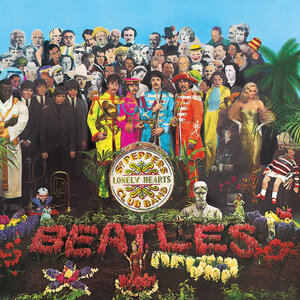
One standout example that is often discussed by those of us obsessed with music is “A Day in the Life” by The Beatles, the closing track of Sgt. Pepper’s Lonely Hearts Club Band. As a pioneering album in rock music history, Sgt. Pepper’s is an eclectic mix of sounds and styles that epitomizes The Beatles’ experimentation and innovation. The final track, “A Day in the Life,” is haunting and surreal, blending melancholy with a sense of curiosity and wonder. The song’s climactic, dissonant piano chord at the end creates a feeling of unresolved tension, inviting listeners to ponder its meaning long after the album is over. This impactful ending encapsulates the themes of discovery and mystery that pervade the album, making it feel timeless and open-ended.

Similarly, Radiohead’s OK Computer concludes with “The Tourist,” a slower, introspective track that contrasts with the chaotic energy of the rest of the album. OK Computer is known for its commentary on technology and alienation, exploring themes of existential anxiety and modern isolation. “The Tourist” stands apart from the album’s other songs in its simplicity, offering a moment of reflection that feels like a warning to “slow down” amid the dizzying pace of the digital age. The song’s restrained energy brings a reflective close to the album’s otherwise complex and unsettling journey, emphasizing its themes and leaving a deep impression.

Creating a Lasting Emotional Impact

Some final tracks are chosen to evoke powerful emotions, leaving listeners with an impression that will last beyond the music. For instance, David Bowie’s Blackstar closes with “I Can’t Give Everything Away.” This track, coming from Bowie’s final album before his death, is particularly poignant, dealing directly with themes of mortality, legacy, and departure. Bowie’s choice to end with this song feels like a farewell message, wrapping up his legendary career with a sense of grace and vulnerability. For listeners, the track is a heart-wrenching goodbye that gains even more weight within the context of Bowie’s life, allowing the album to transcend music and enter the realm of a personal, intimate farewell.

Nirvana’s In Utero, meanwhile, ends with the track “All Apologies.” The song reflects Kurt Cobain’s vulnerability and the conflicting emotions he experienced near the end of his life. It’s a bittersweet, haunting song that grapples with themes of forgiveness, regret, and identity. Given the rawness of In Utero, “All Apologies” acts as an understated yet emotionally charged conclusion. It’s a moment of both release and resignation, mirroring Cobain’s own inner conflicts. For listeners, it becomes a powerful closing note that brings a sense of poignancy to the album, especially in light of Cobain’s death just months after its release.

Offering Unexpected Twists

Sometimes, artists use the final track to surprise their audience, either by shifting the mood or presenting an unexpected style or message. This unpredictability can work as a memorable twist, leaving a lasting sense of intrigue. It changes the tone from the struggles explored in previous songs to pride and resilience, suggesting a sense of empowerment and identity that stays with the listener.

An example of an unexpected finale is the Arctic Monkeys’ “505” on their album Favourite Worst Nightmare. The song begins as a somber ballad but gradually builds into a soaring, intense climax. Its dynamic composition makes it feel like the album’s emotional pinnacle, one that explores themes of longing and nostalgia. “505” brings a sense of finality to the album but in a way that is both stirring and unpredictable, leaving listeners wanting more even as the music fades out.

Symbolism and Metaphor in Final Tracks

Artists also use the last track to imbue their album with metaphorical meaning, often turning the final moments into a symbolic experience. Pink Floyd’s The Wall famously ends with “Outside the Wall,” a soft, subdued song that contrasts with the bombastic nature of the album’s other tracks. As a conceptual record about isolation, rebellion, and self-destruction, The Wall reaches its emotional and narrative conclusion with this gentle, understated track. The song leaves listeners reflecting on the album’s themes with a mixture of sorrow and acceptance, making it an introspective and symbolic end to the epic story. Maybe it is a final track that can hint at continuity or invite speculation about future works.

The Final Song as a Reflection of the Album’s Themes

In many ways, the last song is the album’s most potent moment because it holds the power to tie all the preceding themes together in one emotional conclusion. The choice of final track is rarely arbitrary; it often holds the most weight and meaning. Whether it offers a moment of silence, explosive energy, quiet reflection, or unrestrained vulnerability, the final song gives shape and substance to the album, helping listeners make sense of the music as a whole.

In short, a powerful last track is not just the end of an album—it’s the parting message, the last look back, and the final chance to leave listeners with something unforgettable. When done well, it can transform the album into a cohesive, resonant work that remains with listeners long after the music has ended.

The Power of the first two songs.

The first two songs on an album hold immense power in shaping a listener’s experience, often serving as the gateway into the world the artist is trying to build. These opening tracks set the tone, establish the mood, and give a taste of the themes that will run through the rest of the record. Crafting these initial songs is a crucial task for artists and producers, as they serve as the hook that keeps listeners engaged, allowing the album to unfold and capture the listener’s imagination, emotions, and attention.

Setting the Tone and Mood

The opening track of an album is often a carefully constructed statement of intent. It’s the first impression, and like any introduction, it serves to intrigue and invite the listener to delve deeper. A powerful first track can instantly set the tone of the album, hinting at the sonic and lyrical themes that will be explored. For example, think of an album that opens with a haunting instrumental. This immediately suggests a reflective, perhaps dark journey. Alternatively, an upbeat, energizing track suggests an album filled with light-hearted or energetic themes.

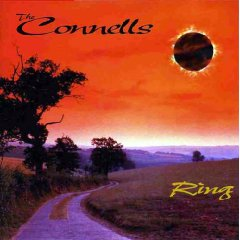
Take The Connells’ RING. as an example. The album opens with “Slackjawed,” a driving, propulsive track that begins with a ringing jovial guitar line that kicks the door down. This is not just an opening—it’s a jolt that immediately signals the weightiness of the themes and musical adventure the band is about to tackle. The moment serves as a thesis for the rest of the album, preparing the listener for a complex exploration of relationships, fate, and identity.

The tone established by the first track is further cemented by the second, which often serves as a continuation of the initial atmosphere or as a bridge to the core themes of the album. In RING, the transition into “Carry My Picture”— an explosive and intense follow-up to the first song — intensifies the listener’s engagement, showing the contrast between the introspective narrative and outward confrontation with social and personal identity “I’m just standing here, slackjawed.” In other words, you moved me. You shaped me. This careful juxtaposition illustrates how the first two songs can work together to create a powerful, immersive start to an album.

Creating Narrative Continuity

Albums often tell stories, whether they are explicitly narrative-driven or bound together by thematic cohesion. The first two songs frequently act as the opening scene of a larger narrative. By creating continuity between them, artists can effectively pull listeners into the story, making them feel invested from the outset.

Consider The Wall by Pink Floyd, an album that tells the story of a character named Pink, who builds an emotional and psychological wall to protect himself from the world. The first track, “In the Flesh?” poses questions, suggesting that things are not what they seem, and quickly transitions into the second track, “The Thin Ice,” which sets the stage for the protagonist’s descent into isolation. The connection between these two tracks is palpable, and the transition is seamless, establishing both a literal and metaphorical foundation for the narrative that follows.

In some albums, the first two songs don’t tell a literal story but rather establish a thematic continuity that will persist throughout. An album might open with a track expressing vulnerability, followed by one that portrays resilience, setting up an emotional arc that resonates through the subsequent songs. By presenting these contrasting or complementary emotions, the artist can make the listener feel like they are embarking on a journey, a crucial hook to keep them engaged.

Establishing a Sonic Palette

The first two songs also set the sonic palette for the album. They introduce the key musical elements, such as instrumentation, tempo, and production style, that will shape the album’s sound. This is essential in modern music, where genres and production techniques vary widely. Listeners often seek albums that provide a cohesive sound experience, and the first two tracks can communicate this cohesion, giving listeners a taste of what to expect and creating anticipation for the sonic evolution that will follow.

For example, in Radiohead’s OK Computer, the album opens with “Airbag,” a song layered with futuristic electronic elements blended with traditional rock instrumentation. This unique soundscape is extended in the second track, “Paranoid Android,” which introduces complex guitar riffs, atmospheric synths, and abrupt tempo changes. These two songs lay the groundwork for the rest of the album’s experimental sound, combining electronic and organic elements to create a dystopian atmosphere. Listeners are drawn in not only by the lyrics and themes but by the cohesive and innovative sound that is established right from the start.

By firmly establishing the album’s sonic identity, the first two tracks allow the listener to acclimate to the artist’s world. This is particularly important for artists experimenting with unconventional sounds or those aiming to create a specific atmosphere. When done effectively, the sonic continuity between the first two tracks assures the listener that they are in capable hands, encouraging them to stay and experience the album as a cohesive whole.

Creating Emotional Engagement

Emotion is at the heart of music’s appeal, and the first two songs often provide an emotional foundation that primes listeners for the rest of the album. Whether an album seeks to evoke joy, nostalgia, introspection, or anger, the opening tracks give listeners an emotional “baseline” for what lies ahead.

Consider Adele’s 21, which opens with the song “Rolling in the Deep.” This song, with its powerful vocals and emotionally charged lyrics, immediately taps into feelings of heartbreak and resilience. The next song, “Rumour Has It,” follows with a sense of defiant energy, maintaining the theme of love and betrayal but with a different emotional lens. These two songs set up an emotional journey that resonates deeply with listeners, creating an empathy that pulls them into Adele’s personal narrative. By the time the third track begins, listeners are already emotionally invested, making it more likely they will stay for the entire album.

This emotional engagement is often achieved through careful sequencing and pacing. The first track might start with a soft, melancholic tone, followed by a second track that ramps up the energy, reflecting the duality of human emotions and experiences. By drawing listeners into these contrasting emotional spaces, artists can make their album experience more compelling and relatable, effectively mirroring the ups and downs of real life.

Holding Listeners’ Attention in the Age of Streaming

In the digital age, where listeners have access to millions of songs at their fingertips, capturing attention quickly is more important than ever. Data shows that listeners often skip songs within the first 30 seconds, so artists have limited time to make an impression. The first two songs on an album are, therefore, instrumental in capturing—and retaining—the listener’s attention.

The power of these songs lies not only in their ability to entertain but in their capacity to communicate that there’s more worth sticking around for. Albums that fail to capture interest in the first two tracks risk being abandoned, and the narrative or emotional arc intended by the artist is lost. This is especially relevant in concept albums, where each song is meant to be part of a larger whole. The first two tracks thus become crucial for creating a sense of curiosity and engagement, encouraging listeners to invest in the album as a complete experience.

Yeah, the first two songs matter

The first two songs on an album are far more than just the beginning—they are the invitation, the hook, and the thesis statement of the artist’s vision. These songs wield the power to set the tone, establish narrative continuity, introduce the album’s sonic landscape, engage listeners emotionally, and hold their attention. When crafted with care, they turn a casual listener into an engaged participant, ready to experience the album as a journey rather than a collection of individual songs. In a world where listeners’ attention is at a premium, the power of the first two songs is undeniable, playing a critical role in how music is experienced and remembered.

Faves of 2023: The Replacements – Tim Let It Bleed

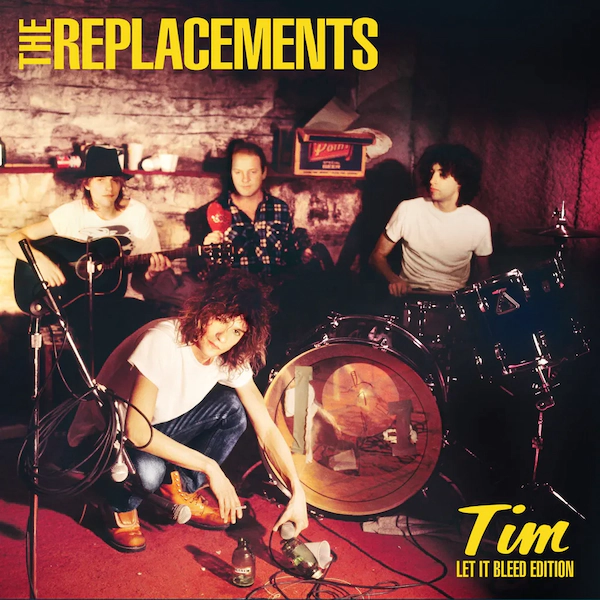
Since the release of the Ed Stasium mix of Tim, we have been celebrating that record. We have been showcasing several thoughts about this mix.

For us, it is one of the best remixes of a record we have had the pleasure to hear. It demonstrates what an incredible band The Replacements were and the talents and unique contributions of each member in that band. Hearing the Stasium mix is like hearing these songs for the first time. And instead of revealing flaws and limitations, the remix does just the opposite. More than mere flashes of brilliance, the amazing sound is revealed — a band at the height of its ability. Hearing these songs it is like brushing debris and dirt off of stone and finding something even more beautiful than you were expecting. To be entirely forthcoming, this record has long been a favorite. But the muddiness of the original version always left something to be desired. This mix fixes that problem. And for that reason and many more, it is a favorite of 2023.

The brilliance of Ed Stasium’s mix on The Replacements’ “Tim: Let it Bleed Edition” lies in an ability to capture the raw energy and emotional depth of the band while enhancing the overall sonic experience. Stasium, a seasoned producer and engineer with an impressive track record, brought his expertise to the table, elevating the album to new heights.

One of the key elements of Stasium’s brilliance is his understanding of the band’s dynamic and the essence of their sound. The Replacements were known for their unpolished, punk-influenced aesthetic, and Stasium managed to preserve that authenticity while adding a layer of clarity to the mix. He struck a delicate balance between maintaining the band’s signature rough edges and ensuring that every instrument and vocal had its own space in the songs.

The album’s opener, “Hold My Life,” perfectly exemplifies Stasium’s prowess. The guitars roar with a gritty intensity, complemented by Paul Westerberg’s impassioned vocals. Stasium’s mix allows each instrument to shine individually, yet they come together seamlessly to create a powerful and cohesive sonic picture. The punchy drumming of Chris Mars cuts through with precision, anchoring the track’s driving rhythm.

Stasium’s attention to detail is evident throughout the album, especially on tracks like “Bastards of Young” and “Left of the Dial.” The former showcases Stasium’s ability to capture the nuances of Bob Stinson’s guitar work, from the jangly chords to the blistering solos. Meanwhile, “Left of the Dial” benefits from a mix that highlights the emotional resonance of Westerberg’s lyrics, making it a standout moment on the record.

Beyond the individual performances, Stasium also mastered the art of creating a three-dimensional sonic space, something that the previous version of the record significantly lacked. The Replacements’ music thrives on its live and unfiltered feel, and Stasium’s mix amplifies this by immersing the listener in a rich auditory experience. The layers of sound on tracks like “Swingin Party” or “Here Comes a Regular” create a sense of depth, inviting the audience to fully immerse themselves in the music.

In essence, Ed Stasium’s mix on “Tim: Let it Bleed Edition” showcases brilliance in understanding and enhancing the unique qualities of The Replacements. He managed to capture the essence of the band’s raw energy, preserving their authenticity while elevating the overall sonic quality of the album. Stasium’s contribution to this edition of “Tim” solidifies a reputation as a masterful engineer and producer, leaving an indelible mark on one of The Replacements’ most iconic albums by simply allowing the band to be itself.