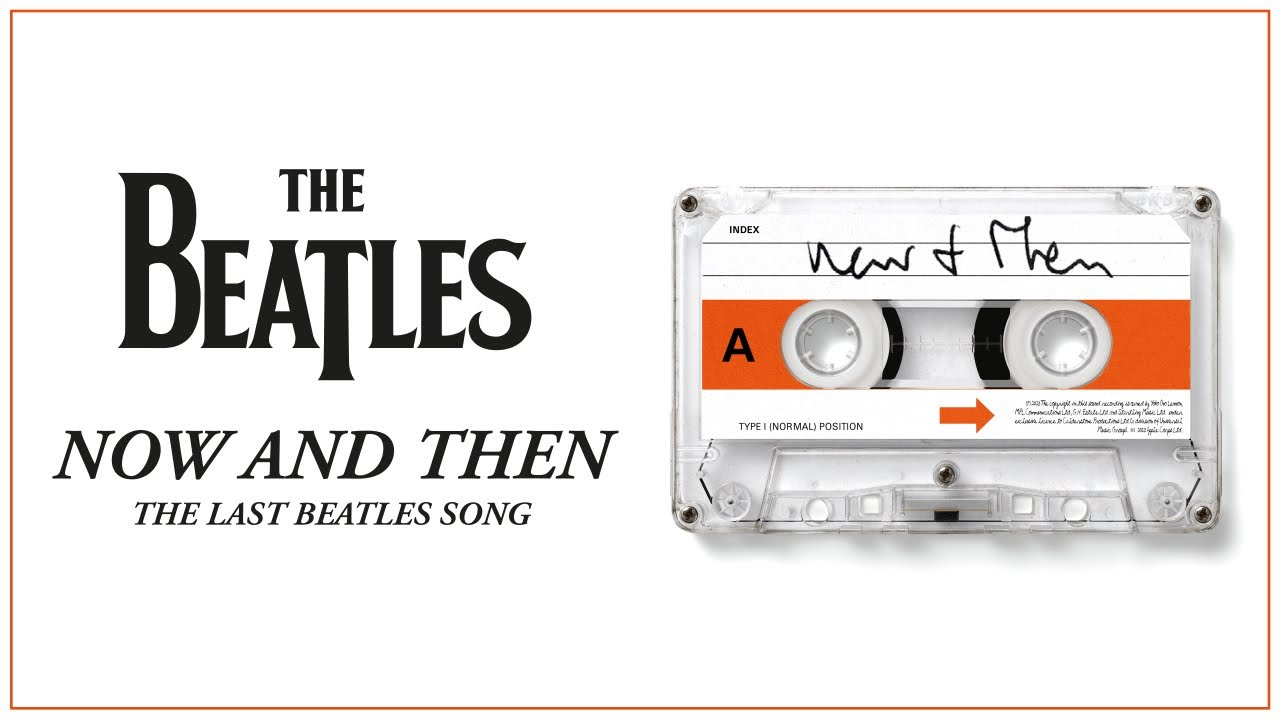
“Now And Then” by The Beatles

The world of music has been buzzing with anticipation ever since the news broke that the Fab Four, the legendary Beatles, had recorded a new song. It’s been over five decades since the band’s breakup, and many fans thought they’d never hear new material from the iconic quartet. But now, “Now And Then” has arrived, and it’s causing quite a stir. Speculation about the song has existed since it was recorded as a demo in 1977 with overdubs in 1995 by Paul McCartney, George Harrison (who would pass six years later), and Ringo Starr for the Anthology project. John Lennon recorded a rough demo in 1977, after his so-called retirement from music (approximately from 1975 to 1980) when he was a primary caretaker for his son, Sean. During the work on the Anthology series, the surviving members of The Beatles, Yoko Ono and Sean Lennon shared demo tapes recorded by John. Those demo tapes unearthed several songs including a version of “Now And Then” with Lennon on piano.

In their heyday, the Beatles were the embodiment of the British Invasion, revolutionizing rock ‘n’ roll and pop music, setting a standard that countless bands have aspired to since. With the release of “Now And Then,” they prove once again why their influence remains unparalleled. Of course, there is controversy surrounding the resurrection of “Now And Then.” Using sound source separation technology, AI, Pro Tools Noise Reduction, and techniques developed by The Beatles: Get Back (2021) filmmaker Peter Jackson, this is not a simple recording, this was not a splicing of tape but an effort to save one of the last songwriting efforts from John Lennon.

The song opens with a light piano touch and delicate acoustic guitar riff, immediately transporting the listener back to the timeless sound. This simple yet evocative introduction captures the essence of the Beatles and sets the stage for a chance to reconsider this influential group’s music and legacy.

As the opening verse begins, it’s clear that the years haven’t dulled the magic of Lennon and McCartney’s songwriting. The lyrics are introspective and poignant, reflecting on the passage of time, the need for another, and the fleeting nature of connection. The chorus is both haunting and beautiful, showcasing the unmistakable harmonies that made the Beatles famous. Lennon’s ethereal voice still carries the weight of a thousand emotions, while McCartney’s harmony adds a warm, comforting layer.

The song’s instrumentation reminds us why the Beatles’ timeless craft still holds allure. The lush string arrangements, reminiscent of the orchestration heard on tracks like “Eleanor Rigby,” add a rich layer of depth to the song. George Harrison’s slide guitar work is understated but masterful, and Ringo Starr’s drumming is as steady and unobtrusive as ever, providing a perfect foundation on which the melody soars.

But the true heart of “Now and Then” lies in the voice and the lyrics. Lennon’s voice and his verses reflect a sense of longing and nostalgia, a yearning for a connection to someone else. His words capture the essence of the social bond, and it’s clear that the need for connection has only deepened since Lennon’s passing in 1980. And I still remember where I was when I learned that Lennon had been killed. The memory of that day still brings tears to my eyes. McCartney’s contribution to the song mostly comes in the form of the bass and chorus, which is simultaneously uplifting and melancholic. The juxtaposition of these two elements is what makes the song so emotionally resonant. And the ability to hold those two disparate ideas together in a song is part of what The Beatles so influential and musically important.

The bridge of the song takes an unexpected turn, as it introduces a piano melody that harkens back to the band’s later, experimental period. The Beatles were known for pushing the boundaries of rock music, and, for this reviewer, “Now And Then” is no exception. The bridge is a beautiful fusion of their earlier and later styles, a testament to their ability to seamlessly blend different eras of their musical journey.

As the song approaches its climax, the band’s harmonies become even more transcendent, creating a sonic experience that is nothing short of breathtaking. The harmonies build to a space that moves at its own pace without rushing to an ending. It is impossible not to be moved by the sheer beauty of these legendary voices coming together again. The song reaches its emotional peak here, and it’s a reminder of one of the reasons that the Beatles remain one of the greatest bands in the history of music. The final moments of “Now And Then” bring the song full circle, returning to the feeling that opened the track. The song ends with a sense of acceptance and a quiet sense of hope.

It’s impossible to overstate the significance — and the controversy — of “Now And Then.” In a world where music trends come and go, and artists often struggle to maintain their relevance, The Beatles have managed to create a song that demonstrates some of what the band members would create in their respective solo projects, especially Lennon. It’s a statement of their enduring legacy and their ability to connect with listeners on a profound level.

The release of “Now And Then” has sparked a renewed interest in the Beatles’ music, and it’s not hard to see why, and I for one, welcome that rediscovery. The song is not only interesting because of the laborious effort to bring it to life but in the sweet simple feel of the songwriting. If for no other reason, the song is important because it reminds us all of the band’s unparalleled musical chemistry. It’s a reminder of the power of music to transcend time and touch the soul.

“Now and Then” is more than just a song; it’s a celebration of a band that changed the course of music history. It’s a tribute to the enduring power of their music and to the bond that still exists between the band members, even after all these years and even beyond the mortal coil.

For me, “Now and Then” is a triumph that reaffirms the Beatles’ status. It’s a song that captures a feeling from the band, ever so slightly hints at their early days as mop-topped lads from Liverpool to their later, more experimental phases. It’s a reminder of the timeless power of their music and the enduring connection they have with their audience. The Beatles have once again proven that their magic is as strong as ever, and “Now And Then” is a beautiful addition to their enduring legacy. It is most appropriate that the other “side” for the double A-Side is a new mix of their debut and first hit, Love Me Do. Perhaps in the release of Now And Then with Love Me Do (2023) we have, indeed, seen the future and the past.

Video of The Day: The Umbrellas – Three Cheers

This fun video of ‘Three Cheers’ by The Umbrellas is from their forthcoming album “Fairweather Friend,” out January 26th, 2024 on Slumberland Records & Tough Love Records. you can pre-order the record!

When it comes to the indie pop scene, the San Francisco Bay Area jangle indie pop of The Umbrellas began fully formed in 2019 with the Maritime EP. This is a band that has been quietly making waves since they formed in 2018, and their forthcoming record “Fairweather Friend” on Slumberland Records is a tribute to their undeniable talent for writing melodic indie pop music. This album, drenched in the nostalgia of jangle-pop, captures the essence of indie rock’s golden era while offering a fresh and contemporary take on the genre. It is a nod and wink to twee, indie, powerpop, and more with a healthy dollop of the Paisley Underground.

“Three Cheers” opens with a slide into an undeniable bouncing bass instantly pulling you into a dreamy world of melodic guitars and whimsical lyrics. Throughout the song, The Umbrella’s signature sound shines through with jangly guitar riffs, catchy hooks, and shimmering harmonies, reminiscent of bands like The Smiths and The Stone Roses. The vocals, delivered with a perfect blend of longing and optimism, add a captivating emotional depth to the music.

The lyrics are introspective and relatable, making it easy for listeners to connect with the song’s themes of change and self-discovery. The Umbrellas demonstrate a knack for crafting songs that resonate with a broad audience, showing an ability to bridge the gap between the past and present in the indie pop realm. So, better line up for ‘Fairweather Friend’ now.

The song’s production quality is top-notch, with every instrument and vocal line given ample space to breathe. The song maintains a consistent, sun-soaked atmosphere, but brings something unique to the table, ensuring that “Three Cheers” never becomes monotonous.

While the song is an exploration of indie pop’s classic elements, The Umbrella also infuses it with a modern feel and sensibility, ensuring that it doesn’t sound like a mere throwback. This balance between nostalgia and innovation sets “Three Cheers” apart in the crowded indie music warehouse.

In a time when indie pop is experiencing a resurgence, The Umbrellas’ “Three Cheers” is a refreshing addition to the genre. It’s an album that will undoubtedly appeal to both longtime fans of jangle-pop and newcomers looking for a captivating musical journey. With its infectious melodies and genuine lyricism, this song will have you moving, swaying, and dancing just like the band in the video. “Three Cheers is an irresistible invitation to immerse yourself in its sonic daydream, and it’s an invitation that’s impossible to resist.

Video of The Day: Hello June – Napkin

In the ever-shifting of the goalposts in indie music, Hello June emerges as a formidable force — see our review of their excellent Artifacts album — and their latest music video is for the song, “Napkin.” The song is a masterstroke that underscores their authenticity and musicality.

Hello June’s frontwoman, Sarah Rudy, unfurls a narrative drenched in raw emotion, reflecting on moments of vulnerability and self-discovery. “Napkin” is an intimate confessional, delivered with a hauntingly beautiful voice that captures the essence of a soul laid bare. The haunting instrumental arrangement until an unexpected explosion paints a sonic picture that runs the emotional tumult of the lyrics, further strengthening the song’s resonance.

The track’s compelling lyrics reveal the intricacies of human relationships, akin to the crumpled napkins that soak up spilled drinks and hidden sorrows. Rudy’s lyrical craft is akin to a modern-day poet, channeling the complexities of love, longing, and the leaving of pieces of ourselves with one another even if we are no longer a part of each other’s lives, with profound authenticity. As the song unfolds, it’s impossible not to feel the weight of these words:

All the houses were glowing – in the distance there like stars
When you and me were dreaming, we weren’t counting any scars
I wrote it on this napkin that I would never be what you need
Couldn’t tell myself it’s over, so I left a piece of me, so I left a piece of me

Musically, “Napkin” is a brilliant patient song of understated perfection. The delicate interplay between the guitars and Rudy’s ethereal vocals creates a sonic atmosphere that is both melancholic and mesmerizing. The song builds with an inexorable, yet restrained force, culminating in a cathartic crescendo as Rudy sings:

Cause I heard that I’m a good time
And I’m just another alibi
I’m the one in your dreams
I’m the ghost down the hall
The love of your life
But I’m nothing at all

And that leaves an indelible mark on the listener’s soul. “Napkin” and the evocative music video has Hello June clearly proving their mettle as storytellers and musicians. Their ability to capture the fragile beauty of human frailty and vulnerability sets them apart from the crowd. This is not just a song; it’s an experience that leaves you both moved and enlightened. You wonder what piece of yourself you left with someone else whether you meant to or not.

In a time when the world craves authenticity and emotional depth in music, Hello June’s “Napkin” delivers on all fronts. It’s a song that more than deserves to be heard and cherished.

Place, Music, and Family Matter: Van Plating is an Orange Blossom Child

Van Plating, the enigmatic musical virtuoso, has taken us on yet another mesmerizing journey through the polychromatic landscapes of her fertile musical imagination with her latest record, “Orange Blossom Child.” In this auditory odyssey — her third full-length album — Van Plating weaves together elements of Americana, bluegrass, folk, country, and rock music to create an album that’s nothing short of a contemporary sonic gestalt. With a nod to the spirit of experimentation and innovation that characterizes the country music troubadours, Outlaw Country, and innovators of the past (notably Tom Petty, Lucinda Williams, and Gram Parsons), Van Plating presents us with a record that sounds both nostalgic and profoundly modern; eschewing the contemporary bro-culture of country music, she has created a record that spins from introspection to controlled chaos while staying pure within a perspective that is far too rare in the country music of the charts. This is personal music made by a real, genuine person not by a committee trying to cram in all of the right words into a song to win a future promise of commerical endorsements.

Van Plating has always been a visionary artist, do yourself a favor and listen to her unbelievably captivating “The Way Down” from 2021 to hear her ability to paint a song with a hum or a vocalization. She has always been unafraid to traverse uncharted musical territories or bring together strands of sounds that when spun together capture the listener of a web of imaginative weaves of sound. She has accomplished this musical aerobatic artistry while staying true to her musical vision, and “Orange Blossom Child” is no exception. From the beginning of the album, it’s clear that Van Plating has embarked on a new sonic exploration that shows how country music can be made personal and political simultaneously. The record opens with the title track, “Orange Blossom Child,” a slow-build composition that blends drums, slinky guitar, and ethereal backing vocals, setting the stage for the sonic journey ahead. Plating’s distinctive vocals, filled with a sense of longing and wonder, guide us through this hypnotic dreamscape.

The album’s production quality is nothing short of exceptional. Every instrument and sound is meticulously crafted, and it’s evident that Van Plating and her team spared no effort in making every note count. The richness and depth of the arrangements are a testament to her dedication to her craft, as well as his commitment to delivering a listening experience that transcends the ordinary. The songs on this record defy the expected overly slick feel of contemporary country music.

One of the standout tracks on “Orange Blossom Child” is “Hole in My Chest (Big Feelings),” a sprawling acoustic and otherworldly composition that showcases Van Plating’s penchant for experimentation. Featuring Kirby Brown, the song begins with a mesmerizing guitar cadence that gradually gives way to layers of intricate vocals and haunting vocal harmonies. The result is an auditory space that feels both hauntingly beautiful and transcendental. Van Plating’s lyrics in this track delve into themes of being lost and yearning, adding an emotional depth that complements the musical intricacy.

Another highlight of the album is the track “The Heron,” which is a testament to Plating’s songwriting prowess. This song, featuring Elizabeth Cook, has a timeless quality to it, with a melody that feels like it could have been plucked from the annals of classic country music or written in the car listening to Lucinda Williams whether the road is gravel or paved. Van Plating’s storytelling ability shines through in this tune, with lyrics that invite the listener into a world of vivid imagery of place and a few moments of introspection about what we take from the places we come from and only realize later that impact was real and powerful. The song’s arrangement, featuring steel guitar, fiddle, and perfectly paired voices, creates a sense of intimacy and nostalgia that will have all of us wondering about how much of who we have become was/is a result of where we were raised.

“Orange Blossom Child” is an album that rewards deep and repeated listening. It’s a sonic tapestry that reveals new layers and nuances with each play that take elements of various genres and reassemble them. The complexity of Plating’s compositions is paired with a sense of accessibility, making it a record that can be enjoyed by both seasoned music aficionados and casual listeners alike. One can be a fan of Bluegrass and see the album as a revelation for its use of fiddle and peddle steel. Another listener could be a fan of Tom Petty and love the swing in the arrangements. An Outlaw Country fan can feel the influence of Willie Nelson, Waylon Jennings, and Jessi Colter across several tracks. The album’s diversity is evident in tracks like “The Hard Way” and “Jesus Saved Me On The Radio” which introduce a heavier, melodic electrified sound, reminiscent of the country rock of the late ’60s and ’70s with a sly nod to Gram Parsons and The Flying Burrito Brothers. Van Plating effortlessly shifts between musical styles, showcasing her versatility as an artist.

The record’s later section introduces a sense of introspection and vulnerability, with tracks like “The Sugar Plam Club” and “Zion is a Woman.” These songs offer a quieter and at the same time almost more playful side of Van Plating’s artistry. “Joel Called The Ravens” features a sway that captivates a listener with gentle vocal harmonies that lay upon the ground never forced but still inescapable, creating a hushed and meditative atmosphere. The spoken section of the song only adds to the storytelling as well as builds the music into the emotional depth of the song even further. “Joshua,” on the other hand, is a fiddle-driven ballad that showcases Van Plating’s ability to convey deep emotions through her voice and lyrics. Sometimes a whisper, a hum, a carried note convey as much as the loudest, longest yell.

As the album progresses, it becomes clear that “Orange Blossom Child” is a thematically connected album of sorts, with recurring themes and motifs that link the songs together through a reflection on place – often depictions and symbols of Florida – but many of the references could be from many different locations. Several songs explore the consequences of the choices we have made and the search for family and connections that move all of us. Often it is in the eyes of others that we truly see ourselves. The sense of a narrative arc is enhanced by Van Plating’s meticulous track sequencing, which takes the listener on a journey of self-discovery and opens the door to the possibility of self-transformation. The album’s closing track in particular, “Joshua,” ties the various threads of the record together, delivering a cathartic climax that leaves a lasting impression as the song fades around a heartfelt piece on the fiddle.

Lyrically, “Orange Blossom Child” is a poetic and personal journey about the places we feel and call home. Van Plating’s lyrical themes touch on universal subjects such as love, time, and the human condition. Her words are imbued with a sense of profound spirituality, inviting the listener to contemplate the deeper mysteries of life. Lines like “Good girls have edges that the boys can’t break” (from the opening title track) exemplify the lyrical depth and personal subject matter found throughout the album.

In terms of musicianship, Van Plating is joined by a talented ensemble of musicians who contribute to the album’s rich and diverse sound. All of the featured musicians add to the musical stew in unexpected and exciting ways. The synergy among the musicians is palpable, creating a sense of cohesion that is vital to the album’s overall impact. The intricate guitar work, the ethereal textures on fiddle, peddle steel, and the percussion arrangements whether intricate or all flat out on fire all come together to assemble a sonic landscape that is uniquely Van Plating’s own.

“Orange Blossom Child” is a testament to the power of music to transport and transform even if the discussion is tied to home. It’s an album that invites listeners to immerse themselves in its otherworldly sonic tapestry and embark on a journey of self-discovery while revealing the roots of where we stand and live. Van Plating has once again proven herself to be a musical visionary, unafraid to push the boundaries of creativity and artistry. With “Orange Blossom Child,” she has gifted us an album that will surely show country musicians that a statement can be so much more than a facile sing-along looking for a corporate sponsor. The album is a classic that transcends the confines of any specific era of country music.

In a country music industry often dominated by commercialism and formulaic compositions, Van Plating’s “Orange Blossom Child” is a refreshing and ambitious work of art that reminds us of the boundless possibilities of music. It’s a record that demands to be experienced, to be savored, and to be contemplated. Listen to this album with friends because you will want to talk about it. With this album, Van Plating has solidified her place as one of the most innovative and imaginative musicians of our time, and “Orange Blossom Child” is evidence of her enduring commitment to the pursuit of musical discovery.
