
How often has someone asked what are your top ten albums in your record collection? Or how many of us have had one of those bar conversations where we are hypothetically trapped on a desert island with only ten records? A desert island album is meant to be a fun concept often discussed among music fans. It refers to an album that someone would choose to have with them if they were stranded on a desert island, again just hypothetically speaking — because no one is really trapped anywhere. An album in the desert island collection is considered a person’s absolute favorite, one they could listen to repeatedly and never tire of, making their isolation on the desert island more bearable, and more manageable until they are rescued. At least in my positive interpretation, there is a rescue. It’s essentially a way of asking someone to identify their all-time favorite or most cherished album. One of these perfect records, for Dr. J, is Uncle Tupelo’s sophomore effort, “Still Feel Gone.”

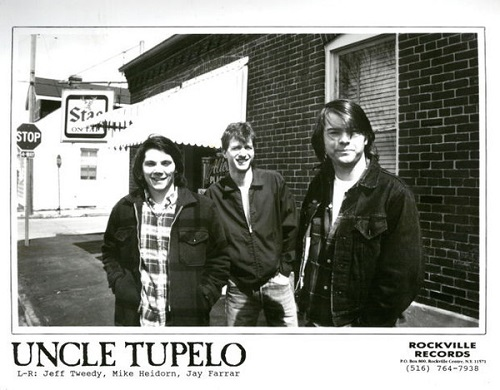
“Still Feel Gone,” is a raw and unapologetic exploration of the American heartland, capturing the essence of rural life with a blend of punk energy and alt-country sensibilities. Released in 1991, this album solidifies Uncle Tupelo’s place as pioneers of the burgeoning alternative country movement, paving the way for bands like Drive By Truckers, Calexico, Giant Sand, Whiskeytown, Lucero, Magnolia Electric Co., Kathleen Edwards, and far too many to mention, to follow. And, of course, the bands created in the wake of Jay Farrar and Jeff Tweedy’s breaking up of Uncle Tupelo, Wilco and Son Volt continue to mine the alt-country aesthetic in adventurous ways.
Uncle Tupelo were not the only alt-country band of that time, certainly The Old 97s, Lucinda Williams, Steve Earle, The Jayhawks, Cowboy Junkies, and Richard Buckner quickly come to mind, however the fusing of punk, folk, traditional music and country in authentic and personal lyrics within a melding of sonic forms that stayed true to a rock and roll aesthetic was unique.
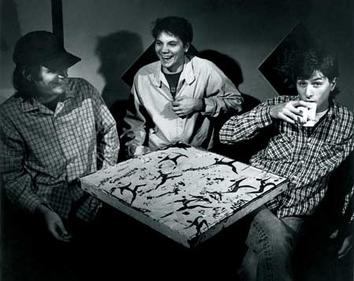
The opening track, “Gun,” sets the tone for the entire album with its blistering guitars and rebellious lyrics. Jay Farrar and Jeff Tweedy’s distinctive voices, each with its own unique timbre, intertwine seamlessly throughout the record, creating a compelling dynamic. It’s a testament to their songwriting prowess that they can effortlessly switch from the hard-edged, punk-influenced sound of “Gun” to the melancholic and introspective “Looking for a Way Out.”
“Still Feel Gone” explores themes of isolation, longing, and disillusionment, often delivered through vivid storytelling drawn from relatable personal experiences. Songs like “True To Life”, “Discarded” “If That’s Alright” and “Fall Down Easy” paint pictures of a world where dreams have been deferred, and the protagonists are left grappling with the consequences of their choices. There is a profound difference in stopping yourself and being unable to grasp what has been denied you all the while knowing that you are missing something. The lyrics are poignant, introspective and poetic, reflecting the struggles of ordinary people trying to find their place in a changing world that does not look at all like what was promised.

The album’s musical diversity is one of its strengths. “Still Be Around” showcases the band’s ability to craft a memorable, melodic tune, while “D. Boon” pays tribute to the late, great guitarist from The Minutemen, a band that clearly influenced Uncle Tupelo’s punk leanings. Several songs broaden Uncle Tupelo’s palette incorporating more instrumentation than you find on a punk record.
Consistently the songs on “Still Feel Gone” carry a burden of working class life. And this accessibility to everyday experience without seeing it as precious but rather the hard fought requirements of making a living, however you can do that, is one of the many strengths of this record. This authentic lyrical approach cements a characteristic that comes to define the alt-country musical movement: testament to the incredible past music that continues to guide our steps as we think about why we are in the state of life we find ourselves and reinventing music to express the frustration, and occasional anger that brings, while staying true to emotions of the heart. Consistently the songs on ‘Still Feel Gone” have lyrics that feel like the band was writing about you or someone close to you that you wish you could help but nothing you try to do ever goes right.
One of the standout tracks on the album (and to be honest this is a record of ‘all killer, no filler’), for me, is “Watch Me Fall.” It’s a haunting and yet strangely bouncing tune that captures the essence of loneliness and despair with a clash of what feels like a counter-programming of melodic guitars, bouncy bass and damn near peppy percussion. Farrar and Tweedy’s vocals harmonize beautifully, creating a haunting and unforgettable listening experience that still puts a pep in your step. The song is not some simple “sad sack” depressive episode, it is the realization that maybe, just maybe you are going to fail because the house always wins:
Some folks find
that their role in life
is to fail
at everything they try
while other folks see
but not like me
There’s one thing
that they’re damn good at
Gather around you all
Come around and see
Those who stand tall
Why don’t you please, watch me fall
This mix of lyrics reflecting the economic challenges of life with music that feels like it is taking you in a completely different direction reaches a highpoint with “Punch Drunk.” The song’s lyrics explore the existential challenge of hard work and hard living while the driving rock and roll that instead of reaching a screeching guitars crescendo, fades out. The music reflecting the subject matter perfectly. But perhaps the best line on the album — among so many powerful lyrics — is when Jay Farrar sings:
“Tried to stay, tried to run
There’s never been enough reason
To believe in anyone
This trickle-down theory has left all these… pockets empty
and the bar clock says three A.M.
Fallout shelter sign above the door
In other words, don’t come here anymore
The production on “Still Feel Gone” is intentionally unpolished, giving the album an authentic, DIY feel that complements the raw emotions conveyed in the songs. Producer Sean Slade’s decision to capture the band’s live energy pays off, allowing Uncle Tupelo’s passion and intensity to shine through whether the song holds a punkish pacing and energy or a languid, slow movement.
While “Still Feel Gone” may not have achieved the same commercial success as some of their contemporaries, it remains a timeless and influential record in the alt-country genre. Uncle Tupelo’s ability to blend punk and country elements with introspective lyrics makes this album a compelling and enduring work of art that captures real truth without ever feeling forced or a songwriter’s exercise. Jay and Jeff sing about the working class not as an academic survey but because of their life history. “Still Feel Gone” is a testament to the band’s vision and talent that their music still resonates with listeners, inviting them to explore the heartland’s complexities through their distinctive sonic frame.
And for all of these reasons and perhaps more, it is one of Dr. J’s Desert Island records.

 your tuesday afternoon alternative