Please, Please, Please Let Me See the Show (This Time)

Morrissey has always been a weather system, not a touring artist. You don’t buy a ticket to see him so much as you gamble—you place a small, hopeful wager against history, logistics, exhaustion, grievance, the universe, and Morrissey himself. And in the last several years, the house has been winning.

Let’s talk numbers, because numbers have a way of cutting through myth. Since roughly 2019, Morrissey has canceled a staggering share of his scheduled concerts. Tracking sites that obsess over these things, think of them as the baseball-card collectors of broken promises, suggest that in the most recent stretch alone, he’s canceled nearly half of what he’s booked. In 2024, nine out of twenty-three shows vanished. In 2025, thirty-two out of sixty-three evaporated. Early 2026? Two more were gone before the coffee finished brewing on the new year. Forty-three cancellations in about two years. Forty-nine of his last hundred shows, period. Flip a coin. Heads, you get “There Is a Light That Never Goes Out.” Tails, you get an apologetic Instagram post.

Last Night I Dreamt That Somebody Played the Show

Now, before the comment section of this blog lights up like a bonfire of sanctimony, let’s be clear: this isn’t a hit job. Morrissey doesn’t need one. He’s been doing his own PR demolition derby for decades. This is about what it means when an artist who once articulated romantic alienation for an entire generation now can’t reliably show up in the flesh to sing about it.

Because live music, real, sweaty, inconvenient, human live music, is a contract. It’s not just a transaction, not a barcode scan, and a T-shirt upsell. It’s a promise: I will be there if you are. And when that promise breaks often enough, it stops feeling tragic and starts feeling structural.

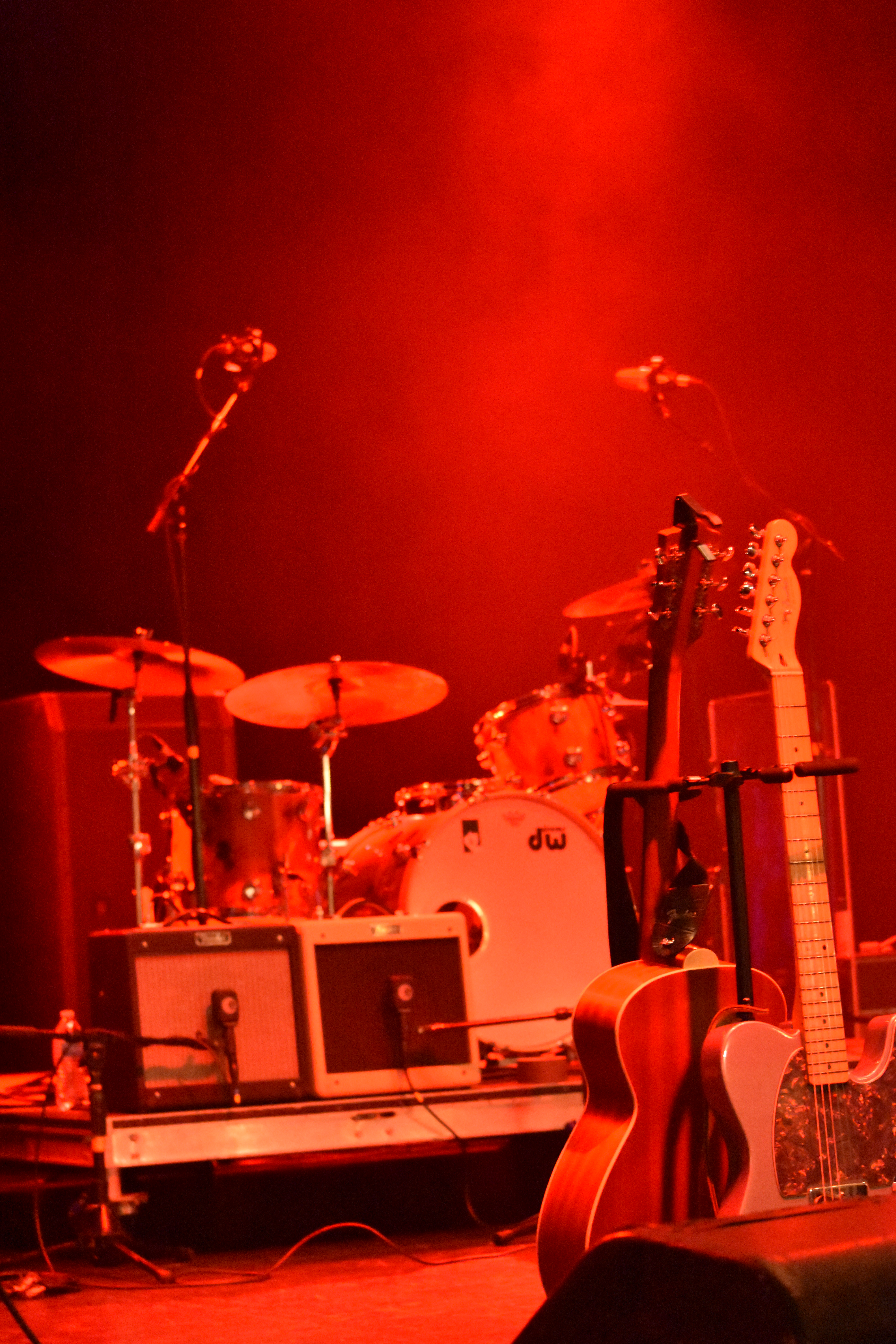
Here’s where we can kick open the door and start yelling: rock and roll is not supposed to be a reliable thing, but it is supposed to be an act of presence. You can be sloppy, you can be late, you can be drunk, you can be transcendent or terrible, but you have to exist on the stage. Cancellation is the anti-performance. It’s a ghost story told by a promoter.

This Charming Man Will Not Appear Tonight

Morrissey’s defenders will point to his health, exhaustion, the cruelty of touring in one’s sixties, and the meatless catering demands of a man who has turned vegetarianism into performance art. All fair points! Touring is brutal. Capitalism eats its elders. The road is a grinder, but it has better lighting. But here’s the problem: Morrissey’s cancellation habit isn’t a sudden decline—it’s a pattern. A long, well-documented, almost conceptual-art-level commitment to not showing up.

And patterns change how we listen.

Once upon a time, Morrissey’s flakiness felt romantic. The same way The Smiths felt impossibly fragile, like they might dissolve if you looked at them too hard. You forgave the missed shows because the songs felt like secrets whispered directly into your ear. You forgave him because you believed—wrongly, beautifully—that sensitivity was incompatible with reliability.

But fast-forward to now, where entire tour legs disappear like a Vegas magician’s assistant, and the romance curdles into consumer fatigue. Fans book flights. Fans take time off work. Fans arrange childcare. Fans in Latin America, Europe, the Midwest—people for whom a Morrissey show is not a casual Tuesday night but a once-in-a-decade pilgrimage—get left holding the emotional bag.

Schrödinger’s Morrissey: The Show Both Exists and Doesn’t

At some point, the question stops being “Why does Morrissey cancel?” and becomes “Why do we keep pretending this is surprising?”

This is where Morrissey becomes less a singer and more a metaphor for late-stage rock stardom. He is the walking embodiment of the contradiction: an artist whose work once validated vulnerability now presiding over a system that treats audience trust as optional. He’s not alone in this, but he’s the most extreme case study because his cancellation rate is so high it borders on performance itself. It’s almost as if the absence is the point.

And maybe that’s the cruel irony. Morrissey, the great bard of loneliness, has perfected a way to make tens of thousands of people feel collectively stood up.

The tragedy isn’t that he cancels. The tragedy is that the cancellations have become part of the brand. They are baked into the expectation. “Did the show happen?” becomes the first question, not “Was it good?” That’s a catastrophic downgrade in cultural terms. Rock and roll isn’t supposed to be a Schrödinger’s cat.

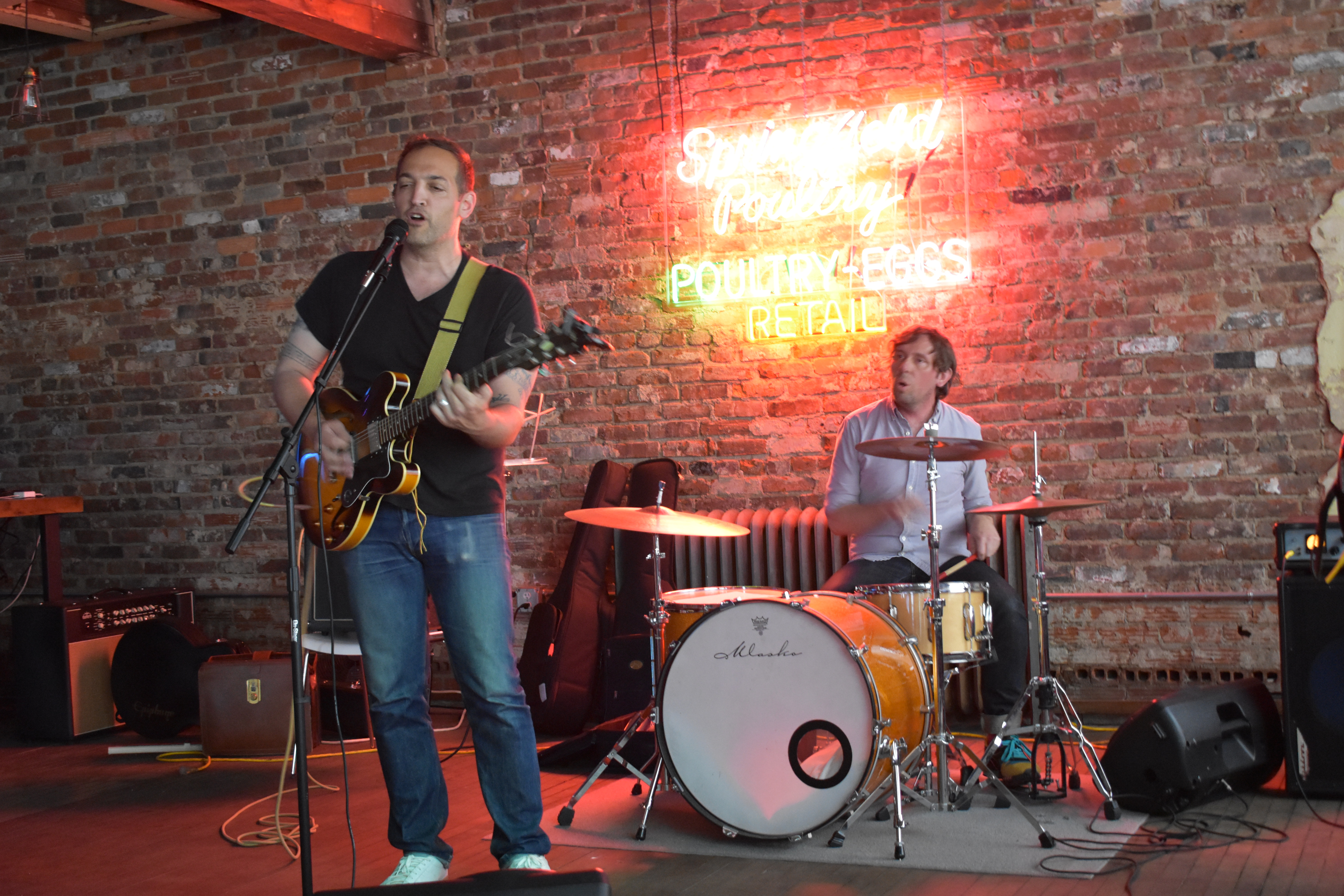
Meanwhile, somewhere down the street, a local band is loading their own gear into a van that smells like old coffee and regret. They will play whether ten people show up or two hundred. They will play sick. They will play tired. They will play because showing up is the whole damn point. They don’t get to cancel half their dates and still be mythologized. They get one no-show before the scene quietly moves on without them.

That’s the contrast that hurts. Morrissey can cancel forty-nine out of a hundred shows and still sell tickets to the next one because nostalgia is the most powerful drug in the world. It keeps whispering, Maybe this time. It keeps telling us that the version of him we loved in 1986 is still hiding somewhere behind the scrim of lawsuits, grievances, and canceled soundchecks.

And look—I get it. I’d probably still roll the dice myself. To be perfectly honest, I have taken the chance, and I was fortunate in seeing a Morrissey show. That’s the sickness and the beauty of loving music that mattered to you when you were young. You keep hoping for communion even when history tells you to expect a refund.

How Soon Is Now? Very Possibly Never

But let’s stop pretending this is just bad luck. Over the last six years, the data tells a story as clear as any lyric Morrissey ever wrote: absence has become as defining as presence. Cancellation is no longer an exception; it’s a feature.

This isn’t a moral failing so much as a cosmic joke. The man who taught us how to feel has turned unreliability into an art form. The fans keep showing up to an empty stage, humming along to songs about disappointment, living inside the metaphor, whether they like it or not.

And maybe that’s the final, bitter punchline: Morrissey still understands his audience perfectly. He just doesn’t have to be there to prove it.

Fading Applause: Unearthing Some Reasons Behind the Decline in Attending Local Music Shows

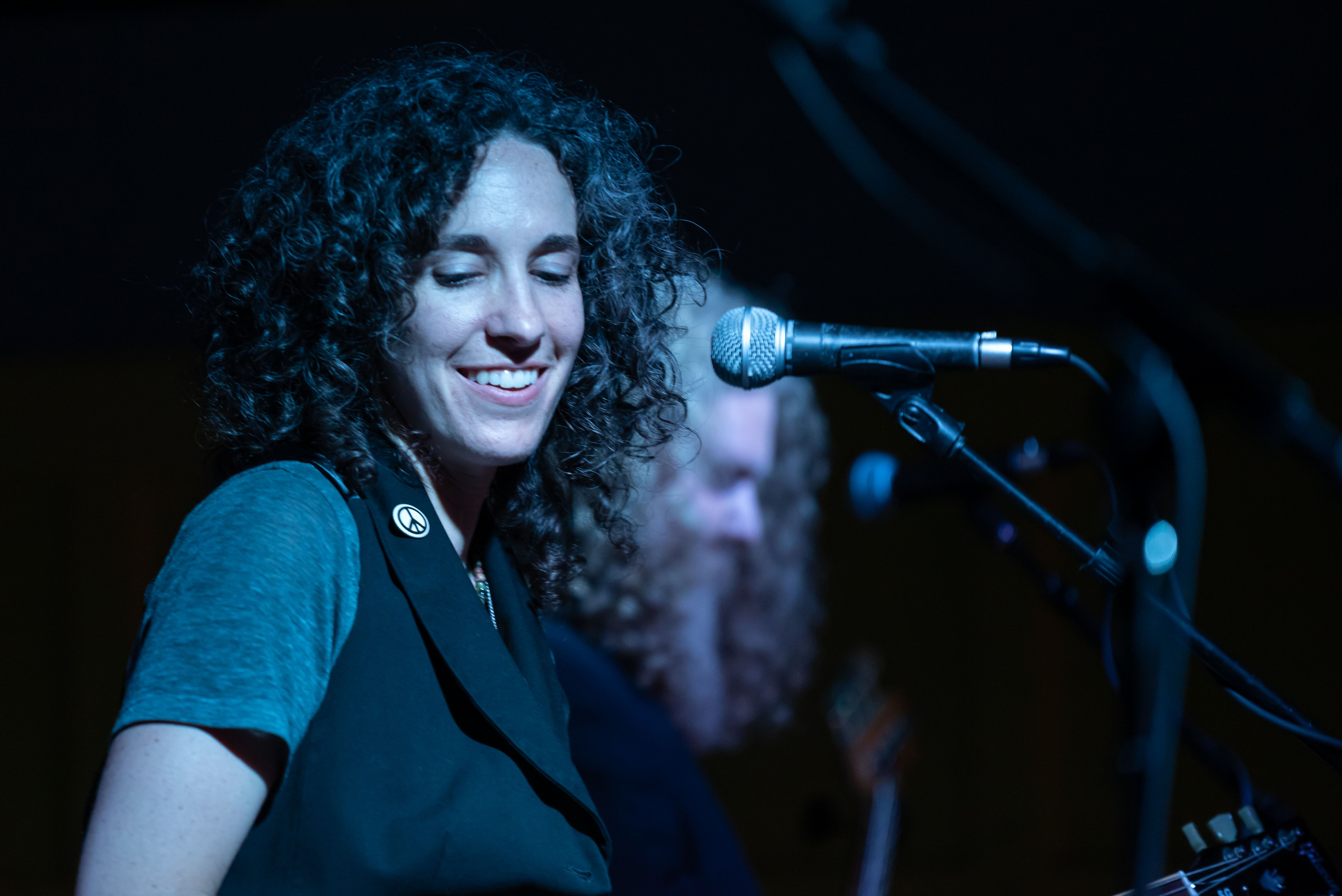
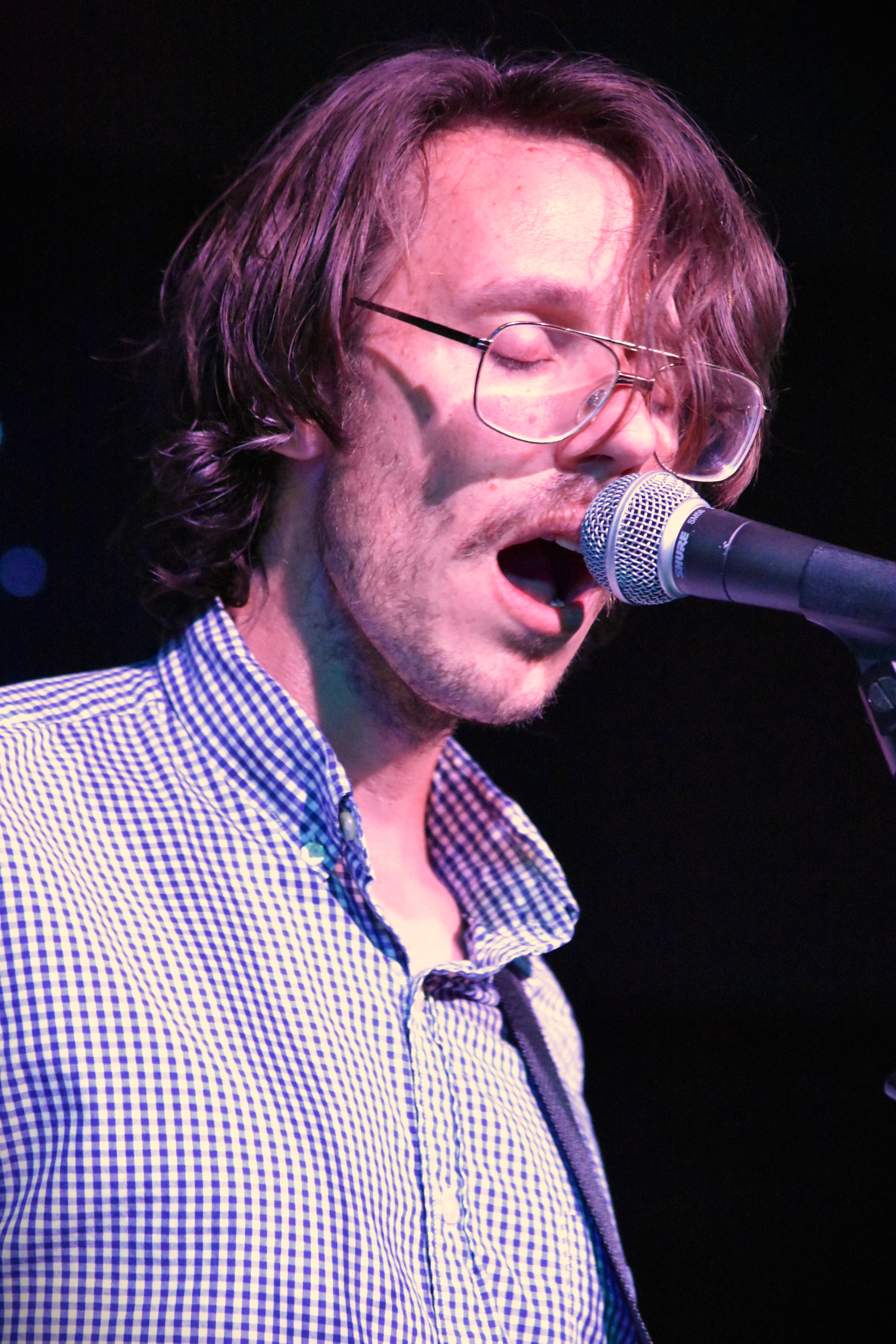
In the throes of a vibrant local music scene, one might expect shows in the community to be a cultural cornerstone, drawing diverse crowds in droves for a singular reason, seeing great local music. Yet, in recent years, there has been a decline in the attendance of these grassroots gatherings. Even before the Covid-19 pandemic, a decline in the number of people attending music events was shrinking. As I dig deep into this challenge, we take some time and think about the many reasons why people are increasingly opting to stay home rather than stepping out for a night of live music. In the spirit of trying to understand this so that we can encourage attendance at local shows, let’s embark on a brief effort to explore the dynamics that are reshaping the landscape of local music event attendance.

I have to be honest about my motivation. I am an active show-goer! I attend many local, regional, and national music events and shows. I am a passionate supporter of local, Dayton, Ohio, and regional music — a major premise of Your Tuesday Afternoon Alternative.

I was fortunate to experience some amazing music during my college years (1983-1988) in the state of Minnesota during a time of unbelievable explosion in creativity attending shows from Husker Du, The Replacements, Soul Asylum, Prince, The Gear Daddies, The Suburbs, The Jayhawks, Run Westy Run, ZuZu’s Petals, and so many more. I also saw touring bands such as R.E.M., The Connells, The dbs, NRBQ, Miracle Legion, The Ramones, and far more than there is time to list. And since the 2000s, I have attended more local shows in the Dayton, Ohio area than I can list here. Mrs. Dr. J and I spend time each week planning what shows we will attend and there are more shows that we would go see than we have time.

The Allure of Digital Convenience

One inescapable factor reshaping the landscape of local music event attendance is the digital age. In an era where the world is at our fingertips, streaming services and virtual concerts offer an unparalleled level of convenience. The ease of tuning into your favorite artist’s live stream from the comfort of your own home is a siren song that has seduced many away from the raucous atmosphere of local venues.

Digital platforms not only offer ease of access but also empower fans to curate their music experiences. With personalized playlists and algorithmic recommendations, listeners can indulge in a highly tailored musical journey, often without the need to step one single foot outside. The pull of the digital realm is undeniably strong and presents a substantial challenge for local music scenes. That coupled with the abysmally low compensation for digital streams can create a financial hardship for bands and musicians.

Economic Considerations

Local music events have traditionally been an affordable and accessible option for music fans. However, the economics of entertainment have been shifting beneath our feet. Ticket prices, particularly for well-known local acts, have been creeping upwards, costs that were under $20 for a couple have now increased as acts and venues seek to recoup expenses. Considering the cost of transportation, parking, drinks, and merchandise, attending local music events can strain the budgets of many.

Furthermore, the gig economy has reshaped the financial stability of younger generations, making disposable income scarcer. This financial precariousness forces potential attendees to weigh the value of a night out against other financial priorities and expenses. For some, the fun of local music events is overshadowed by the economic realities of life in the 21st century.

Changing Tastes

Music, like any art form, evolves over time, and so do its listeners. What fans want to hear changes. The kinds of performances that draw a crowd evolve. The changing demographics of music audiences have led to a diversification of musical tastes and preferences. Local music events, with their challenge of advertising — the perennial problem of ‘getting the word out’ — may not always reach the eclectic tastes of a diverse audience.

As a result, individuals who prefer genres or styles not typically showcased at local events may be disinclined to attend. The widening spectrum of musical genres, coupled with the ease of access to niche music communities online, means that many can explore their musical interests without ever leaving their comfort zones.

We also have to consider that the reluctance to attend local shows may have increased post-pandemic. There may be a greater concern about being in a crowd due to health concerns.

The Urbanization Conundrum

In the shifting demographic landscape, urbanization has played a critical role in reshaping local music event attendance. Cities are cultural hubs teeming with artistic expression, and local music scenes thrive in these environments. Yet, the downside of urbanization is the relentless pace of life and the reluctance of folks who live in the suburbs to come into the city to experience music events. For some city dwellers, the cacophony of daily life is enough to discourage them from seeking out additional auditory stimulation at local events.

Furthermore, urban areas are often marked by high living costs, making it challenging for residents to prioritize regular attendance at local music events. The erosion of affordability in urban centers can lead to a decline in the vibrancy of local music scenes.

The Virtual Spectacle vs. the Live Experience

The allure of virtual entertainment, I discussed above, has challenged the primacy of the live music experience. Virtual concerts and livestreams allow artists to reach global audiences without the constraints of venue capacity or geographic location. While this may be a boon for artists, it poses a dilemma for local music scenes. If you can see your favorite artists without leaving home, why go to a local show?

The virtual spectacle, enhanced by breathtaking visuals and immersive technology, can rival the in-person experience. As artists invest in creating jaw-dropping digital performances, the question of whether the palpable energy of a live crowd can compete arises for us. For some, the convenience and spectacle of virtual entertainment outweigh the communal experience of local music events. However, the solitary experience of watching a concert in your living room separated from your friends and fellow music lovers can feel hollow. Of course, this assumes that people want to experience music together with people they may not know.

The decline in local music event attendance is a complex web of economic factors, shifting cultural tastes, technological convenience, and the pull of virtual entertainment. As the music industry continues to evolve in the digital age, local scenes must adapt to these changing dynamics to remain relevant and vibrant. To lure audiences back into the heart of their local music communities, venues and artists alike must offer experiences that transcend the allure of digital convenience and rekindle the magic of the live music event and the community that is built in those experiences. In doing so, we can ensure that the fading applause of local music events reverberates once more, echoing through the spaces where music is played.

What factors would you add to this consideration? What can we do to encourage more people to attend music events and shows in our local communities?