Favorites of 2025: Kim Ware and The Good Graces – Grand Epiphanies

I’ll just say it: Grand Epiphanies is one of the most human records you’re going to hear in 2025, and maybe one of the few that doesn’t insult your intelligence along the way. While many releases this year seem hell-bent on either drowning themselves in studio varnish or hiding behind hipster irony, Kim Ware walks in like someone who’s survived a few things and isn’t afraid to speak plainly about the bruises. These songs don’t howl, they don’t posture—they breathe. And in an era when pop throws confetti over every emotional breakdown and calls it catharsis, Ware has the guts to sit with the silence, to let the ache settle, to make music that’s actually about feeling something and not just Instagramming the wreckage. This is a record that believes in sincerity, and for that alone, it hits like a revelation.

Deepening the craft: Why Grand Epiphanies matters

When Grand Epiphanies was released in September 2025 via Fort Lowell Records, it arrived not as a gimmick or a throwback — but as an earnest statement from a songwriter who has spent nearly two decades refining her voice. For fans of Kim Ware and The Good Graces, the EP represents both continuity and evolution. It retains the emotional honesty and Southern-tinged indie-folk roots listeners have come to expect, while embracing fuller arrangements, sharper lyrical clarity, and a maturity of perspective that only time (and living) can provide.

What emerges is a collection of songs that treat heartbreak, regret, longing, and self-doubt not as melodrama, but as shared human truths. Ware doesn’t write to shock, to boast, or to gloss over. She writes to reach — to offer a mirror to listeners, and maybe a little company in whatever dark or quiet moment they find themselves. This EP is a reminder: vulnerability doesn’t have to be pretty. It just has to be honest.
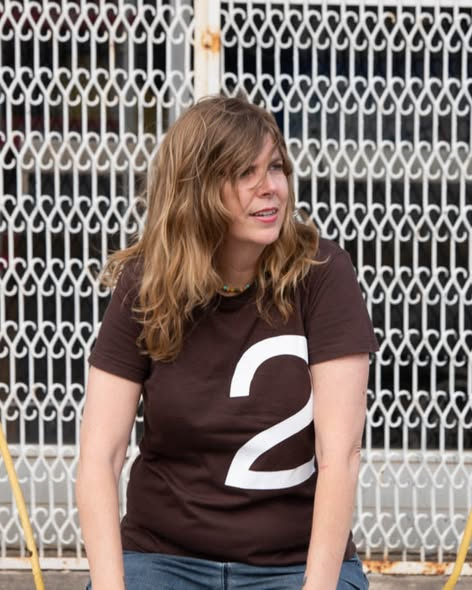
The team: musicians behind the music

Although Kim Ware remains the creative heart of The Good Graces — vocals, guitar, and songwriting — Grand Epiphanies is a collaborative effort, supported by skilled players and producers who understand how to highlight nuance rather than mask it.

On this release, producers and multi-instrumentalists Steven Fiore and Justin Faircloth play central roles, adding guitar, piano, keyboards, bass, and even backing vocals, and in doing so, help shape the record’s rich but still intimate sonic layers. Their presence builds on a long tradition within The Good Graces: throughout previous albums, different collaborators have drifted in and out of the lineup, each contributing something distinct to the band’s evolving sound. That kind of fluid membership has always been part of the project’s identity, keeping Kim Ware’s songwriting deeply personal while allowing the music itself to remain open, flexible, and continually renewed rather than fixed in a single form.

This flexible model echoes what Ware once said about the band: not as a fixed entity but as a “very talented group of friends,” coming together when inspiration, time, and circumstance allow.

In practice, this means Grand Epiphanies doesn’t feel overproduced or manufactured. Instead, it feels like friends gathered in a room, listening, playing, and creating together — a mood that invites trust and intimacy rather than distance and gloss.

Sound and style: picking up old threads, weaving new ones

Listeners familiar with earlier Good Graces albums — from Sunset Over Saxapahaw (2008) through Ready (2022) — will find much that’s familiar on Grand Epiphanies. Ware’s Southern-tinged twang, her blend of folk, country, and indie-rock sensibilities, the unhurried melodies, the earnest vocal delivery — these remain essential.

Yet this EP also feels more expansive than some earlier efforts. The production, led by Fiore and Faircloth, layers guitars, piano, subtle harmonies, and occasionally banjo or other acoustic touches to build a richer emotional landscape around Ware’s voice. Although personal taste will always shape which tracks linger the longest, several songs on Grand Epiphanies stand out for the way they crystallize what the record does best. Take the track “Old/New”: its guitar strumming and vocal lines evoke late-afternoon melancholy, but as the song unfolds, piano and backing instrumentation widen the space — giving the listener room to sink into memory, longing, and possibility. unfolds like a gentle meditation on what we leave behind and what we carry forward, its subtle layers of instrumentation creating room for genuine emotional reflection.

Wish I Would’ve Missed You approaches heartbreak without melodrama, turning regret and longing into something more like the experience of leafing through old photographs—quiet, tender, and unexpectedly overwhelming. And then there is Missed the Mark,” a song that speaks directly to the insecure, the hopeful, and the uncertain, offering both an appeal for human connection and a confession of imperfection that feels disarmingly honest.

The choice to include a cover — a reimagined version of Some Guys Have All the Luck — also signals the confidence in balancing reverence and reinvention. On this EP, the cover doesn’t feel like a novelty; instead, it sits comfortably alongside Ware’s originals, transformed gently to align with the EP’s mood and tone. Some Guys Have All the Luck serves as a bridge between past and present, inspiration and reinterpretation. It doesn’t overshadow the original; it complements it, reminding listeners that songs evolve just as people do.

Overall, the sound of Grand Epiphanies suggests maturity without restraint, emotional depth without melodrama — the kind of record that lingers long after the final note fades.

The gift in the songs: everyday life, honest reflection, and human connection

What often sets the best singer-songwriters apart is a gift for translating ordinary moments into emotional touchstones. On Grand Epiphanies, Kim Ware exercises that gift with clarity and courage. Rather than lean on clichés — heartbreak melodrama, romantic tropes — she mines the subtler, messier terrain of real experiences: regret, nostalgia, second chances, self-doubt, hope, and quiet resilience. Many of these themes resonate universally: longing and loneliness, memory and loss, the ache of roads not taken, the fragile optimism that hums beneath everyday life.

In Wish I Would’ve Missed You”, Ware reflects on regret and longing with a spare lyricism that strikes more powerfully than most breakup ballads. “Spent it all on grad school… every now and then a memory stops me in my tracks,” she sings — not flaunting heartbreak but confessing to being human, vulnerable, flawed.

Elsewhere — in songs like “Missed the Mark” — she turns the lens inward, wrestling with feelings of inadequacy, uncertainty, and the desperate hope to connect. “I scan the room and hope the messages I send / Somehow reach a brand new stranger, and they become a brand new friend,” she confesses, exposing the artist’s fear and longing behind performing.

The album doesn’t promise closure. It doesn’t pretend that “everything works out.” Instead, it offers companionship: a voice that says, “I feel a lot of this too.” In that way, Grand Epiphanies avoids insulting the listener’s intelligence by offering simplistic solutions. It acknowledges complexity. It honors pain. And it believes in healing — not as a fairy tale but as a slow, sometimes messy process.

How Grand Epiphanies compares to previous work

To appreciate Grand Epiphanies, it helps to see it against the backdrop of Kim Ware’s musical journey. The Good Graces began in 2006 after Ware picked up an old acoustic guitar and started composing songs rooted in Southern indie-folk traditions.

Earlier records, like Close to the Sun (2014), showed a willingness to experiment — to mix folk and country, to play with ambient touches, drum machines, and subtle electronic textures. But even then, the core remained familiar: Ware’s voice, simple guitar patterns, emotionally candid lyrics.

With Ready (2022), the songwriting felt sharper, more intentional; melodies caught between wistful longing and restless urgency. Yet Grand Epiphanies pushes further. The songs are more cohesive; the instrumentation more deliberate; the emotional stakes clearer. Listeners can trace how time, experience, and loss have deepened Ware’s perspective.

This latest EP also suggests a renewed trust in collaboration. Rather than relying solely on acoustic minimalism — the refuge of vulnerability — Ware embraces fuller arrangements. The result isn’t flashy, but it feels abundant in feeling. It’s as though she’s saying: “These aren’t just my stories alone anymore; they are ours.”

Why Grand Epiphanies feels especially relevant in 2025

We live in a time when noise is constant — in our politics, our social media, our media cycles. Simplicity and quiet reflection often feel like luxuries. In that environment, an EP like Grand Epiphanies doesn’t just matter musically; it matters morally. It represents a kind of resistance — not flashy or confrontational, but human.

Kim Ware doesn’t demand answers; she offers empathy. She doesn’t pretend life gets clean after the hard parts; she reminds us that even when scars remain, beauty can survive. For listeners who feel worn down, uncertain, or haunted by memory, these songs can be small lamps in a dark room. For those simply seeking honest songwriting in a sea of glossy distractions, the EP offers relief.

Moreover, the collaborative, evolving model of The Good Graces — weaving friends, producers, rotating musicians into a living tapestry — speaks to music as community, not commodity. In an age of streaming algorithms and viral hits, that matters.

A few honest limitations — and why they don’t hurt the EP’s purpose

As with any release built around vulnerability and introspection, Grand Epiphanies may not cater to all tastes. Listeners expecting polished pop hooks, glossy production, and immediate gratification might find its pacing too slow, its mood too muted. The EP’s strength lies precisely in its restraint — in accepting that some feelings don’t come wrapped up neat and loud.

And with only five tracks, Grand Epiphanies can feel more like a snapshot than a full portrait. Themes are introduced, emotional arcs hinted at, but not always resolved. The sense is less of closure and more of continuation. Which, in many ways, may be the point: life rarely offers tidy endings.

Still — if you’re open to being held in uncertainty for a little while; if you’re willing to sit with a guitar, a voice, and a few gentle chords — the EP offers something rare: a place to breathe.

Kim Ware and The Good Graces — still speaking, still feeling

In a musical climate often dominated by spectacle, loudness, and overstated sentiment, Grand Epiphanies stands out not because it demands attention, but because it deserves it. Kim Ware’s songwriting remains a gift: honest, gentle, unguarded, but never cloying or insincere. Backed by The Good Graces, she continues to prove that folk and indie rock can still speak to our messy, uncertain lives with clarity and heart.

For longtime listeners, the EP will feel like a meaningful evolution — a band maturing, growing more confident, more open to collaboration. For those just discovering Ware, it offers a doorway into a catalogue full of stories that don’t hide behind cliches or affectation. And for anyone longing for music that reflects rather than distracts, that comforts rather than commodifies — Grand Epiphanies is a small, glowing jewel.

In 2025, when the world often seems determined to overwhelm us with noise, Kim Ware and The Good Graces invite us to slow down, listen, and remember: we are not alone. We are human. We are trying. And maybe — just maybe — that’s enough.

What is it that drives the feel in indie music?

Indie music unites us because it thrives on authenticity, creativity, and emotional honesty. Unlike heavily commercialized tracks, it often reflects personal stories, experimentation, and unique perspectives that feel relatable. Fans connect through shared emotions—heartbreak, joy, longing, or defiance—finding meaning in sounds and lyrics that resonate with their own lives. The community around indie music also matters: attending shows, sharing discoveries, and supporting artists fosters a sense of belonging, where people celebrate individuality while feeling part of something bigger.

The Beths’ Best Laid Plans exemplifies the power of rhythm and groove in creating an irresistible musical experience. At its core, the song is anchored by tight, punchy percussion and a driving bassline that create both energy and momentum. This rhythmic foundation gives the track a sense of forward motion, allowing the melody and vocals to shine while the listener is physically engaged—tapping toes, nodding heads, or even dancing along. The combination of percussive precision and melodic bass makes the song feel immediate and alive, illustrating how the “feel” of a song is just as important as its harmonic or lyrical content.

This attention to rhythm and groove is a hallmark of many artists across indie and alternative music. Tamar Berk, for instance, uses nuanced percussion to build layers of tension and release in her music, creating songs that feel both intimate and expansive. Bird Streets similarly blends melodic hooks with a driving rhythm section, demonstrating how bass and drums can define a track’s emotional pulse. Guided By Voices, with their lo-fi yet meticulously arranged recordings, often showcase how a tight rhythm section can make even a chaotic-sounding song feel cohesive and infectious. The Connells and The Cords similarly emphasize song craft, where the music propels the storytelling and emotional impact.

Meanwhile, vocalists like Kim Ware and her effort, The Good Graces, highlight the interplay between rhythm and vocal delivery. In Kim’s songs, the percussive drive and melodic bassline not only support the vocal narrative but enhance the emotional resonance, creating moments of release and catharsis that linger with the listener. Just as The Beths use rhythm to energize Best Laid Plans, these artists leverage bass and percussion to make the music physically and emotionally engaging, proving that the “feel” of a song—its groove, drive, and momentum—is a central component of its power.

Ultimately, what unites these artists is a deep understanding of how guitar, percussion, bass, and overall feel can transform a song from a static composition into a living, breathing experience. From The Beths’ infectious grooves to Bird Streets’ emotive rhythms, from Guided By Voices’ lo-fi magic to Kim Ware’s soulful pulse, these musicians remind us that feel, texture and rhythm are not just accompaniment—it’s a force that connects listeners, moves bodies, and conveys emotions that words alone cannot capture.

Favorites of 2023: Just the List

This time of the year every music writer’s fancy turns to the ubiquitous quest for the best of/favorites of the year. We start with a list of albums and singles we played on YTAA at least three or four times. Then we consider what songs and records slipped into our consciousness and we spent more time simply thinking about that song, that album — those words. If there is a pattern to what we loved in 2023, it is a bit hard to pin down. If we take a wild stab at an answer, 2023 was a year of amazing music from powerful, strong, thoughtful women musicians. From the incredible voice of Sarah Rudy in Hello June to the authenticity of Kim Ware and Van Plating across to the irresistible guitar tones and perfect singing of Tamar Berk, Blondshell, Beth Bombara, and Lydia Loveless, so many outstanding records were made outside of the men’s club this past year — and that is a welcome change.

Every writer, just like every music fan, has styles and sounds that they are irresistibly pulled towards. Clearly, Dr. J loves guitar. For some writers the list is likely to be diverse, reflecting a fusion of genres and innovative production techniques. And that is fine. With the continued influence of technology, some writers are drawn to artists who experimented with new sounds and collaborate across musical boundaries, creating a sonic outcome that resonates. For other writers, the search for a pure direct authenticity of instruments lead them to the streets where the music is painted without electronics. Acoustic and stripped down arrangements played on traditional equipment bring gratitude to the heavens for that music from some writers.

When crafting a list of favorites from the year, some writers will consider representation. Genres such as indie pop, electronic, and hip-hop may continue to dominate, with emerging artists bringing fresh perspectives and pushing creative boundaries. Collaborations between mainstream and indie artists could lead to unexpected yet captivating musical experiences. Shoegaze, for example, has made many returns after some commentators spilled tremendous amounts of ink over the idea that shoegaze had come and gone. Music in the year 2023 saw several bands who represented that style.

Lyrically, many of the themes explored in 2023 revolve around social issues, personal growth, feeling whatever the artist needs or desires to feel, perhaps some of the “Best” representations for the year are the songs that grab and do not let go of the human experience. Artists may use their platforms to address pressing matters, providing listeners with thought-provoking content that goes beyond mere entertainment and that might be the magic that some writers are drawn to when considering all the records and songs that came out during one trip around the sun.

There are some ‘off limits,’ ‘don’t walk on the grass’ ideas for us here at Your Tuesday Afternoon Alternative. Sure, the rise of virtual and augmented reality experiences may revolutionize the way music is consumed, offering immersive and interactive performances that redefine the traditional concert experience. But for us, human beings need to be part of the creation and experience of music. Streaming platforms might incorporate cutting-edge technologies to enhance the listener’s engagement with the music and while we can and should debate the lack of compensation, which is only going to get more challenging in 2024, AI generated melodies, tones, and arrangements of notes are not considered for inclusion on our favorites of the past year.

The best albums of 2023 could be those that not only showcase exceptional musical talent but also tell compelling stories or provide a unique perspective on the world. Artists who successfully blend innovation with authenticity may find themselves at the forefront of critical acclaim and commercial success and, to be entirely transparent, will immediate draw our attention for a favorites of the year.

Ultimately, the best music of 2023 will likely be a subjective experience, as individual tastes vary widely. However, it is important to consider this a reflective exercise. Every year is poised to be an exciting time for music enthusiasts, with a plethora of sounds and styles to explore, pushing the boundaries of what we thought possible in the world of music. Every year is full of promise. No annual march of the calendar is without merit and new experiences. So, to create a list of the music that moved you in 2023, is not to close the door to new auditory love but to remember we break our hearts so we can fall in love again with songs and albums we have not even heard yet.

The list below is our start on our favorites from this past year. A longer set of articles will come out exploring what it was that caught our attention in these albums and songs.

Favorite record for us in 2023:

Hello June – Artifacts

You can read our review of this fantastic record!

This music transcends time and place, resonating with listeners in their quest for meaning and understanding. The lyrics serve as a mirror, reflecting the innermost thoughts and emotions that often remain unspoken. Hello June’s “Artifacts” is a sonic masterpiece — and we are prepared to die on that hill to defend that assertion — that deserves a place in the hearts of all music fans. It is a timeless record that captures the essence of the human experience, a treasure chest of emotions waiting to be discovered with each listen. 

In no particular order of importance but records that we believe were mightily impressive:

The 1984 Draft – Best Friends Forever

The Replacements – Tim Let It Bleed Edition (Ed Stasium Mix)

Tamar Berk – Tiny Injuries

Smug Brothers – In The Book of Bad Ideas

Elephants and Stars – Get Your Own Army

The Nautical Theme – Get Somewhere

Palm Ghosts – I Love You, Burn in Hell

Van Plating – Orange Blossom Child

Lydia Loveless – Nothing is Gonna Stand In My Way Again

Kim Ware – Homely

Bottlecap Mountain – O Fantastik Melancholy

Beth Bombara – It All Goes Up

Nicholas Johnson – Shady Pines Vol. 2

The Pretty Flowers – A Company Sleeve

The Connells – Ring (Deluxe Edition)

Black Belt Eagle Scout – The Land, The Water, The Sky

Blondshell – Blondshell

Achilles Tenderloin – Tincture for Trouble

Mike Bankhead – I Am Experienced

Jason Isbell and the 400 Unit – Weathervanes

Some of our Favorites of 2023:

Arthur Alexander – …Steppin’ Out!

Mommy – Be Your Own Pet

Frankie Rose – Love as Projection

Cold Expectations – Static Reactions

Connections – Cool Change

The Connells – Set The Stage

Dolph Chaney – Mug

En Attendant Anna – Principia

Graham Parker & The Golden Tops – Last Chance to Learn the Twist

Guided By Voices – Nowhere to Go But Up/Welshpool Frillies

H.C. McEntire – Every Acre

Jess Williamson – Time Ain’t Accidental

John P. Strohm – Ready for Nothing

Jphono1 – Invisible Futures and Make Believe Pasts

Louise Post – Sleepwalker

Love Rat – Howl at the Moon

Matt Moran – Heartache Kid (Acoustic)

The Radio Field – Don’ts and Do’s

Shannon Clark & The Sugar – This Old World

Special Friend – Selkie

Tino and DJ Marrrtin – La Pie Bavarde

Trapper Schoepp – Siren Songs

Singles

No One Sphere – Fingerz to Lips

Elephants and Stars – Bled Out At The Scene

David Payne – Best Intentions

We Met In Paris – Mont Blanc Massif

The National – Eucalyptus

sparkle_jets uk – He’s Coming Out

The Well Wishers – So Important

Tod Weidner – Raising Pain

Mike Bankhead – Latent

Given Names – Makin’ Eyes

Cowboys in The Campfire – Here We Go Again

Teenage Fanclub – Foreign Land

Hannah Jadagu – Lose

High on Stress – Over-Thru

Jeremy Porter and the Tucos – Five-Foot-Three and Tiger Eyes

Tyler Childers – Rustin’ in the Rain

Kurt Lee Wheeler – We Will Travel

Honorable Mentions

Yo La Tengo – This Stupid World

Amber Hargett – Coal Mine Canary

Brainiac – The Predator Nominate EP

Quiet Signals – Quiet Signals

Today on YTAA

Tuesdays are our favorite days! Radio day!

Tons of new music. Some indie classics. We love radio day. Today we are spotlighting music from Nicholas Johnson, Kim Ware, Bottlecap Mountain, and Nick Kizirnis!

The set list includes songs from our good pal Nicholas Johnson, High on Stress (from Minneapolis, MN), Kim Ware, Librarians with Hickeys (Ohio by way of Big Stir Records), BAILEN, ODESZA, Panic Pocket, Connections (from Columbus, Ohio), POPSICKO (seriously Big Stir records roster is an impressive lineup of great indie powerpop), Iguana Death Cult, Unkown Mortal Orchestra, ALIENS, The Band of Heathens, Bottlecap Mountain, James, Genevieve Artadi, The Speedways, The 1984 Draft (Dayton, Ohio), M83, The Housemartins, Daughter, Nick Kizirnis (Dayton, Ohio), Phoenix, Beach Bunny, The Connells, Greg Dulli, Achilles Tenderloin, Steady Holiday, Let’s Active, Nicole Yun, The Tisburys and The Replacements.

We will be chatting about some exciting shows on the horizon from Nicholas Johnson, The Pinkerton Raid, Age Nowhere, Bottlecap Mountain, and more happening in our hometown of Dayton, Ohio.

Listen along from 3-6pm on WUDR Flyer Radio

11 Questions with… Kim Ware of The Good Graces

Drummer turned guitarist Kim Ware has been making emotionally powerful indie folk rock since 2009’s Bring on the Tambourines! Her last full length, 2019’s Prose and Consciousness merged her sense of melody with layered songwriting that pulled the listener into a rich world of Southern culture, meditations on life and efforts to improve ourselves. Kim’s music often raises questions about how we make real lasting relations in our communities. Stand out tracks like ‘Three’, ‘His Name was the Color that I Loved’ and ‘Wants + Needs’ brought Ware’s mature songwriting together with music that allows listeners to feel the experience even if it is for all too brief a moment. Kim has continued to release new music such as 2021’s ‘capital R (single)‘ and 2020’s powerful ‘Stopped Making Plans‘ and ‘Things Will Be Better in the Morning.’ These songs demonstrate her commitment to intelligent musical discourse. It was a real pleasure to correspond with Kim about her music.

1. What can you share with us about when and how you started writing your latest song, ‘Stopped Making Plans’?

This song had some pretty weird origins that were both very intentional but also very accidental at the same time! I say that because it came to be thanks to an assignment for a songwriting group I’m part of.

We meet on Mondays; it was a Sunday afternoon and I thought, “I don’t have a new song to share tomorrow.” The prompt was “foreign languages” so I simply started by thinking about countries I’d like to visit. My mind went to Germany first; my husband is from there but I’ve never visited. I was thinking about how my friend Andy had also booked a trip to Italy in late 2019 but of course it didn’t happen.

Anyway, I sort of organized those thoughts to be more about plans falling through, and missing loved ones. In the case of the Italy mention, rather than focusing on Andy’s trip I very intentionally thought about Michele Gazich. He plays violin for Mary Gauthier, and though I don’t know him well I’ve met him at Song School in Colorado, and we’re friends on Facebook. Back around last February / March, before Covid had severely impacted the US but was taking its toll on Italy, where he lives, he was posting about what was going on. It was so frightening. That, plus my working for a major digital publisher at the time (which happens to be health-focused), led me to take all this pretty seriously from the very beginning.

It’s been such a mental and emotional drain. I kept thinking it might be something I’d write about but it all just seemed too big. Suddenly, approaching it this way (very indirectly at first) just worked. Once I realized what I wanted the song to capture (the trials of last year, with a focus on plans being cancelled), it came together pretty quickly.

I also feel the need to say before writing it I had just finished reading Viktor Frankl’s “Man’s Search for Meaning” for graduate school. In it, he focuses a good bit on hope, and imagining a future, and how important it is to our existence. That seemed to be top of mind – that the roughest part of all this, for me (a natural planner) was adapting to not making plans.

2. In the past you have had strong collaborations, did the coronavirus/Covid-19 situation change how you wrote and worked on the song?

Very much. In November 2019, the Good Graces played our release show for “Prose and Consciousness.” That was such a wonderful experience, like everything just came together for that show. Little did we know we’d only be able to play a couple more together. I would have loved to have included the folks who played that show with me on this song, but logistically that’s a lot harder to coordinate now. I also moved last summer, from Atlanta (where they are all based) to North Carolina, to be closer to elderly family members. The combination of Covid plus just being in a place where I don’t know as many musicians meant I felt very, very isolated. That’s definitely changed how I work on music now. I wrote the song alone, and then recorded my guitar and vocal tracks at home. I sent those to engineer/producer Jerry Kee, and he added everything else. We’re working on a full album this way. Though it’s not what I would have imagined had you asked me last year how I’d make my next album, it’s working really well.

3. ‘Stopped Making Plans’ is a song that explores the impact of the pandemic, police violence and other social issues, did you set out to address these particular ideas when starting to work on that song?

Not at all! As I mentioned up top, it didn’t start out being about that at all. But, it quickly turned into that. I just wanted to be very honest. Those are the things that took so much of my mental energy and empathy last year. So once I started going there, I couldn’t really avoid them.

4. Many of your songs have addressed the strength or weakness of social bonds – is that a correct interpretation of some of the lyrics and the feel of your music? If that is correct, do you intend to write about social bonds and connections or did the song evolve in that direction over time?

That’s so interesting, and really insightful. I put a lot of thought into relationships, I suppose. And not just a-b relationships, but like my place, my role in a given community. How we all “relate”. And connections – that’s definitely something I’ve been very focused on exploring, for years now. All that said though, I don’t think I ever intentionally write about them. I’m very much an in-the-moment songwriter. Something comes to me, and I try to follow it. Sometimes I can shape it into something that makes some sense, but as often it falls by the wayside, I guess to make room for something else. I’m studying to get my master’s in counseling, and social bonds and connections is a big focus there. So I imagine that will continue to come up, either directly or indirectly, in my music.

5. How did ‘Stopped Making Plans’ come together musically for you?

Once I figured out the direction and general melody, the vocal part came together quickly. That tends to be what happens for most of my songs. The guitar part was the challenge. I’d say my finger-picking skills are pretty novice. But I really pushed myself to give this particular guitar part a real “part,” a real presence in the song. Really I thought the recorded version would stay pretty minimal. So I worked really hard to figure out that guitar melody and actually be able to execute it. The bridge was particularly tricky! But finally I got it; it’s a lot different from my playing on most all my other songs which is typically either very strummy and rhythmic, or very very simple, repetitive picking. Anyway, as I mentioned above, once I sent it to Jerry he had a very different vision for it! At first I wasn’t sure about it, but by the end I really loved everything he brought to it (and I still have my original demo with just me – that’s posted on my Bandcamp, too – If I ever really feel like hearing or sharing that more minimal version).

6. Where do you often derive inspiration to make music?

I think of songwriting a lot like dreams. I’ve always thought dreams just “mean” whatever you decide they mean, and if you asked someone else, they might have a very different interpretation. To me, dreams seem to mostly just be a way of processing whatever has happened that day. Songs are very much the same. I process through them. I’m not sure I “figure stuff out,” but – when I get it right – I manage to put something pretty complex and challenging for me to even talk about into a 3-or-4-minute piece of art. That is just the coolest thing to me! It’s the single thing I love most about songwriting.

So I guess I’m saying I get inspiration from challenges – but it’s almost never intentional. My mind just always wants to solve problems, I think. Or at least take a complex problem and break it down into something simpler, more manageable. I think it’s my need to do that that inspires me to write songs. It’s my means of processing.

7. How would you describe the music that you typically create? How has that process evolved or changed over time (especially as you think about your journey from Set Your Sights (in 2017) to Prose and Consciousness (2019) to your recent music)?

I think it’s always been really personal and honest. That’s sort of the metric for me; sometimes I write for “side projects” and one of the things that makes it a Good Graces song vs. a song for one of those other projects is if it’s so honest that I’d probably be uncomfortable talking about it.

I think that’s been consistent, from my very first song back in ’07 or so. It’s evolved a lot; I guess it’s gotten a little more polished? And I’ve had a lot of different folks contribute to it over the years. They’ve all inspired and had an influence on me, the songwriting, and the final product in one way or another. I do think now I’m starting to veer just slightly from Americana and folk and maybe more towards indie and bedroom pop (which is a place I’m also pretty familiar with, I think my 2014 album “Close to the Sun” was more that sort of style). The southern influence isn’t going anywhere though, I think that’s unavoidable due to my vocals. But working with Jerry here recently, and him adding things like drum machine and keys, has made me realize a sort of different way to present the songs.

8. What is next for you musically? How would you describe your thoughts at this point for your next project after Stop Making Plans?

Jerry and I have about 16 or 17 songs we’re trying to get through this year. I think we’ve finished up 5 so far. I’d like to release a few more singles and then maybe around the fall or so start pulling everything together for an album. But that said, last year taught me to just sort of be more in the moment and not get too married to any one idea or method when it comes to releasing music. I recently launched a Patreon which I’m really enjoying – my focused is shifting just a little from “the next album” to “what am I making this week?” I will always love making albums though, and the format, it’s just that right now it feels like there’s got to be something more, or different from that, you know? One thing I’ve noticed is that I’m pretty burnt out on the traditional way of making and promoting music. It was getting so focused on likes, pageviews, followers, etc. That’s why I like doing things like Patreon. Sure, it’s great if the numbers go up. But for me what’s far more important is the connection I’m making through songs. If I’m even lucky enough to make one. That’s the greatest thing. I’m trying to focus more on little things that remind me of that connection.

Oh! I also recently launched a podcast that sort of talks about these things so I may as well plug that here! It’s called Quarantined With the Good Graces and you can find it on most all the podcast platforms. It’s an interview podcast and I’m releasing a new episode each Tuesday. At the moment, I’m focusing as much on that as I am my songs, and it feels really right to me.

9. What is your favorite song to perform? What makes it a current favorite in your performances?

It’s almost always “7-Year Sentence (Going to Hell)”. Back in Atlanta, I’d usually have a group of friends come sing the end choruses with me. It was a highlight of our shows, and really cathartic. I tend to sing that song louder and more emotionally than a lot of my other songs, and it always feels really good.

10. What is one message you would hope that listeners find in the unique nature of your latest music?

That we’re all struggling through this in our own way. If nothing else connects us, I think that does.

11. As a musician, how are you adapting to the challenges of the Coronavirus?

I’ve really been trying to immerse myself in my new life – my husband and I moved into my aunt’s old farmhouse at the beginning of this year. It’s right beside my dad’s peach orchard. He passed away a couple of summers ago, but being here, right beside everything that was so much a part of him, I feel really close to him. The other day I walked around the perimeter of the orchard; it was soooo cold! But during that time, I thought, this is exactly where I’m supposed to be, and exactly what I’m supposed to be doing in this moment. I guess that’s how I’m trying to adapt. By being present and focused on thethings that are important.

I left my day job at the beginning of the year (2021), so I could focus more on school and all this life stuff with the house and my family. So, I’m still sort of trying to figure out what my new life even is. But I’m also doing some things that I wanted to do but never had time to. I took an online improv class through Second City and I absolutely loved it. And I’m currently taking a songwriting class. That’s a little more like “work” for me, which is interesting. But I’m grateful to have a little more time to spend on that now. I’m viewing this time as a transition for me; I don’t feel particularly settled yet, but I feel like that’s starting to come more into view.

We want to extend our sincere gratitude to Kim Ware for answering our questions and continuing to make some really excellent music! Click on the links throughout the article to visit Kim’s social media or to listen to various songs that were discussed! If any musicians or artists would like to participate in future ’11 Questions’ columns, please feel free to email us at drjytaa@gmail.com. All photos and images courtesy of Kim Ware/The Good Graces.

Facebook Website Patreon Bandcamp