Favorites of 2025: The Cords – The Cords

The Cords: how a band turns pop instincts into craft

If rock and roll really is dead, then The Cords clearly missed the memo, because their new self-titled record kicks the coffin lid open, steals the eulogy notes, and sets the funeral pyre dancing like it’s 1979 again and tomorrow doesn’t exist. This thing isn’t just a debut—it’s a declaration, a sugar-buzzed jolt of pop-bright indie rock that doesn’t pretend to be cool, doesn’t hide behind irony, and doesn’t give a damn about whatever trend some influencer is spoon-feeding their followers this week. It’s melody as oxygen, chorus as lifeline, guitars strummed like they’re trying to shake loose every last excuse you’ve ever had for not feeling something. And thank God for that—because in a year drowning in algorithmic uselessness, The Cord showed up with color, conviction, and the kind of hooks that tattoo themselves on your spine: refreshingly infectious, all-ages indie-pop and jangle pop collection with bright, melodic hooks and irresistible harmonies.

When a band chooses to release a self-titled record deep into a career or at a moment of reinvention, it’s rarely an accident. A self-title asks listeners to pay attention: this is who we are, for better or worse. On The Cords, that gesture reads less like self-importance and more like quiet confidence. The album crystallizes a group whose greatest gift is the paradox of seeming easy: songs that land as immediate, catchy pop but reveal, on repeat listens, careful craftsmanship — arrangements that balance lift and restraint, choruses that stick without shouting, and lyrics that prize specificity over cliché.

This review explores why The Cords has quickly emerged as one of 2025’s most beloved releases (or at least for us at Your Tuesday Afternoon Alternative), examining how the record was made, what each musician brings to its radiant clarity, and how the band’s sound fits squarely—and confidently—within contemporary indie-pop and power-pop currents. Reviewers have praised the album’s effervescent hooks, bright harmonies, and early-Beatles-meets-C86 charm, calling it a reminder that joy, immediacy, and craft can still feel revelatory. By looking closely at the songs and the meticulous yet exuberant musicianship behind them, this piece makes the case echoed by critics across the board: The Cords proves that in an era of over-processed noise, genuine craftsmanship not only still matters—it stands out.

Who are The Cords?

Asking “Who are The Cords?” is entirely reasonable, especially given how quickly the duo seemed to burst onto the 2025 music landscape with a fully formed sound and a debut record that feels more like the work of seasoned veterans than newcomers. Their name appeared almost overnight in reviews, playlists, and year-end lists, prompting curious listeners to wonder how a band this polished could arrive with so little advance fanfare. The question reflects both genuine intrigue and the natural impulse to understand the people behind a record that has connected so widely, so suddenly. Ok, ok… let’s answer the question directly: The Cords are a rising Scottish indie-pop sister duo, Eva (guitar, vocals) and Grace (drums and percussion) Tedeschi, known for their catchy, jangle-pop sound reminiscent of ’80s/90s C86 indie, featuring loud guitars, drums, and infectious melodies. They gained buzz in the UK indie scene, playing with major bands like Belle and Sebastian, and released their self-titled debut album this year, solidifying their place as exciting new musicians with a fresh take on classic indie pop.

So, sure, The Cords are a rising indie rock band whose self-titled debut has pushed them from regional curiosity to one of the year’s most talked-about new acts. That love comes honestly. It is built around a shared love of sharp pop melodies, jangling guitars, and choruses designed to ignite rooms both small and large. The band blends classic power-pop instincts with the earnest shimmer of modern indie. While each member brings a distinct musical background to the project—ranging from DIY home-recording scenes to more polished studio work—they come together with a unity of purpose: to make songs that feel immediate, heartfelt, and boldly melodic. Their chemistry is unmistakable, the kind of collaborative spark that makes a first record sound less like a beginning and more like a band arriving fully formed.

A band in the room, not a solo project on a laptop

One of the first things you notice about The Cords is its sense of feel. The record breathes the way a live band breathes: near-mic’d guitars trade phrases, the bass doesn’t merely hold down the root but sings counterlines, and the drums are both precise and human — they click when they should and push when the song needs momentum. That sonic chemistry suggests an actual group in a room rather than a single songwriter piling tracks onto a click-track.

On this record, the players are careful taste-makers: a lead vocalist who carries the melody with an effortless honesty; a guitar riff is economical but unforgettable; bass lines that anchor and color in equal measure; a drummer who doubles as a dynamic architect; and occasional keys and backing vocals that thicken textures without smothering them. The album’s production is shaped in large part by Jonny Scott and Simon Liddell, who not only handled the recording and overall sonic direction but also contributed additional bass and keyboard parts. Their involvement adds depth, texture, and subtle melodic detail, helping the songs land with a clarity and fullness that elevate the duo’s core ideas. That production leans toward warm melody rather than slick overprocessing — vocals swirl, the guitars ring, and harmonies bloom in native stereo. The effect is immediate and intimate, like a favorite radio station that somehow still surprises you with classic Scottish indie pop, bringing energy and authenticity to the genre.

Classic hooks, modern precision

Musically, The Cords live at the intersection of indie-pop and modern indie rock. If power-pop is the art of building irresistible choruses around smart songcraft, this record nods to that lineage while keeping its feet in the present. The guitars often prefer jangle and concise counter-motifs over endless studio tinkering with reverb; the drum sounds favor snap and presence within the mix; the bass is melodic. Production choices keep the songs forward and communicative.

What’s clever about the album is how it uses contrast. A sleek, hummable chorus might follow a verse that’s rhythmically skittish or harmonically unusual; a bright hook will sit atop an unexpectedly rueful lyric. That push-and-pull keeps songs from flattening into mere earworms. The band knows how to write a chorus that hooks on first listen, but they’re more interested in building shoulders for those hooks to stand on so the singer can mean what she has to say within the sway of the song.

Ordinary detail, emotional honesty

Lyric writing on The Cords resists broad platitudes. Instead of grand pronouncements, these songs live in particulars: a lit street outside an apartment window, the wrong song playing on a cheap jukebox, saying goodbye, not knowing what to say. Those details anchor the songs emotionally; they make choruses feel earned rather than handed to the listener.

Themes recur — the ache of imperfect relationships, the friction between wanting to leave and wanting to belong, the peculiar loneliness of modern urban life — but the band treats these themes as lived experience, not albums’ worth of slogans. There’s tenderness here, an ability to hold both humor and regret in the same line. When the chorus opens up into sing-along clarity, the words are often small but direct, the kind that a listener can latch onto and repeat in daily life.

Rather than a list of titles, the album’s architecture is worth noting: it opens with a confident, urgent cut, “Fabulist” that announces the band’s melodic ambitions; it centers itself with a pair of mid-album songs that reveal its lyrical depth while stilling rocking (“You” and “I’m Not Sad”); and it closes with a return to the jangle with a reflective piece that leaves more questions than answers, “When You Said Goodbye” — a satisfying structure that mirrors human experience rather than manufactured catharsis.

The opener works as a thesis statement: brisk tempo, jangly guitars, a pre-chorus that sets up the payoff, and a chorus that lands like a bright bruise — it’s immediate and impossible to ignore. The arrangement focuses on guitar and drums, yet leaves space for letting the lyric breathe before swelling into a harmony-rich chorus. That dynamic — economy vs. abundance — is where the record’s emotional intelligence shows. The listener feels tugged along rather than pushed.

Musicianship: pop instincts, instrumental care

One of the pleasures of The Cords is hearing instrumentalists who understand restraint within the landscape of Scottish indie pop. The lead guitar rarely indulges in long solos; instead, short melodic figures become hooks in themselves. The bass often carries melodic interest in places a secondary vocal might have; the drums use space and silence as effectively as fills and cymbal swells. These are not instrumental showpieces; they are choices made to serve the song.

Backing vocals are used sparingly but to great effect: stacked parts in choruses heighten the sense of communal voice, whereas single harmony lines in bridges add emotional nuance. Keys and synths make tasteful cameos — a pad here, a tuned key there — supporting rather than competing. The overall musicianship communicates a band comfortable with pop’s mechanics yet allergic to disposable glitz.

Production plays a crucial role in a record like this. The engineers and producers behind The Cords opt for a live-room warmth; you can hear the string of the guitar and the breath before the vocal. The mix privileges midrange clarity so the melodies cut through without overwhelming the low end. Transients on percussion are preserved to give the drums snap, and the stereo image is used to place instruments in space rather than to dazzle with effects. That sonic philosophy — preserve the room, let the song guide the mix — keeps the album feeling human. It’s pop music with a pulse rather than sterilized pop.

For whom this record is made

The Cords will appeal to listeners who prize tunes that reward attention. Fans of classic power-pop and jangly indie rock will find the hooks irresistible, but casual listeners will also appreciate the plainspoken choruses and immediate melodies. The record sits comfortably between the worlds of radio friendliness and indie credibility: radio programmers get singable choruses; critics get craft and nuance.

Younger listeners who grew up with playlist culture may be surprised by how an album built around consistent melodic logic can still create small shocks of recognition — the kind of “I know this” feeling that a succinct chorus can produce. Older listeners will appreciate the band’s affinity for tradition without nostalgia.

This record matters

In a popular music moment dominated by hyper-production, viral singles, and an ever-shortening attention span, a record like The Cords is quietly radical. It insists on songcraft: beginning, middle, and end; it assumes the listener will return; it foregrounds human voices and real instruments. The album’s lack of pretense is, paradoxically, its statement. It shows how pop can be both pleasurable and thoughtful, how choruses can be cathartic without being manipulative.

For a listener who wants immediacy without cheapness — a hook that doesn’t insult intelligence — The Cords offers reassurance: good songs still matter, and a band playing together still sounds like something worth cherishing.

A self-titled album is a claim. The Cords lay claim to that title gently but firmly: here is a band confident in its pop instincts and literate in its emotional choices. The record’s charm rests on the marriage of classic pop construction with modern precision, the musicians’ disciplined instincts, and songwriting that values detail over slogan. It isn’t a manifesto; it’s a practice. And in an era of flash, there’s a particular pleasure in watching a band quietly do the work of making songs that last.

Faves of 2023: Van Plating – Orange Blossom Child

In November, we wrote a review of Van Plating’s excellent “Orange Blossom Child.” The record is not only one of our favorites of 2023 but carries an important legacy forward. Honestly, that review still expresses some of the reasons that her record spoke to us here at Your Tuesday Afternoon Alternative. It was a real, authentic record made by a true original.

Authentic country music is more than just a genre; it’s a soulful narrative that weaves together the threads of everyday life, love, heartbreak, challenge and the “ups and downs” and occasional sideways glance of the anything but simple, human experience. Rooted in the rural landscapes of America but over time about far more than bucolic existence, this musical genre emerged from the folk traditions of the 19th century and has since evolved into a distinct and influential form of artistic expression while exploring the problems of place. One can become too rooted. However, for Van Plating that is not a dilemma without solution. Her music answers the mysteries of place and self in a language that does not speak down to the listener. That authentic puzzle solving is part of what makes Van Plating’s music so damn powerful. Through this record we come to see ourselves and wonder about the places, spaces and home that made us.

At its core, authentic country music resonates with credible, truthful and genuine storytelling. The lyrics often mirror the struggles and triumphs of ordinary people, reflecting the joys and sorrows of life. Artists like Hank Williams, Johnny Cash, Willie Nelson, Loretta Lynn, and Dolly Parton have become iconic figures, not only for their musical talents but also for their ability to capture the essence of the human condition through their songs. And equally important is the characteristic of real country music that all too often becomes a punch line of a bad joke — a sense of place. This idea of place, town, community, neighborhood, or area becomes part of the music. Whether the lyric is focused on an effort to escape the clutches of being held down because of where you come from or a reflection of the myriad influences of the place you once called home. Those experiences — in that place — made you who and what you are as a person. Home is inescapable because it lives within you. These musicians, and we count Van Plating among them, have played a pivotal role in shaping of modern country music and contributing to its enduring appeal.

One hallmark of authentic country music is its connection to the roots of lived experience and culture. With influences from folk, blues, and gospel music, country songs tell the stories of hardworking individuals, the beauty of the countryside, and the complexities of human relationships. The twang of a steel guitar, the melancholy of a fiddle, and the honesty in the lyrics create a unique and evocative sound that speaks to the soul.

Furthermore, authentic country music serves as a reflection of one’s cultural identity. It often embraces regional nuances, providing a snapshot of life in that place, that home. Whether it’s the dusty trails of the Southwest, the rolling hills of Appalachia, or the vast expanses of the Midwest, country music paints a vivid picture of the landscapes that have shaped its artists and their stories.

In a world where musical genres continuously evolve, authentic country music stands as a timeless sacrament to the enduring power of storytelling through song. Its ability to connect with listeners on a deeply personal level transcends generations, making it a cherished and enduring form of musical expression. As long as there are stories to tell and emotions to convey, authentic country music will continue to resonate, carrying the rich tradition of music into the future. And Van Plating with her spirited and vibrant “Orange Blossom Child” carries that tradition forward.

Faves of 2023: Palm Ghosts – I Love You, Burn in Hell

As we continue to celebrate some outstanding records in indie music from this past year, we come to the most recent album from Palm Ghosts. Our entire list can be found here!

Palm Ghosts emerges as a compelling force with their latest offering, “I Love You, Burn in Hell.” This album marks a significant step forward for the band, showcasing their artistic maturity and a sonic palette that delves into the realms of dream pop, shoegaze, and synthwave. As the title suggests, Palm Ghosts invites listeners into an existential space that is both darkly poetic and melodically enchanting, exploring themes of love, despair, and the spaces where desire, separation and the delight of melancholy all coexist.

Palm Ghosts emerges as a luminous thread, weaving together dreamy atmospheres, introspective lyrics, and a sonic palette that transcends genres. Formed in 2013 by songwriter Joseph Lekkas in Philadelphia, Pennsylvania, following a series of personal changes due to health concerns and a serious anxiety disorder, the band released it’s eponymously titled debut record in 2014 to critical acclaim. Palm Ghosts wore their influences — The Cure, New Order, Joy Division, Bowie, R.E.M., Ministry, Dead Can Dance, and more — on their sleeves while creating something exciting, surreal and fresh. After the release of their first record the band changed locales from Philadelphia to Nashville. The change in scenery influenced the effort toward a more jangly R.E.M. folky, alt-country vibe while still embracing the sound of ’80s and ’90s dream pop and shoegaze. Merging elements of these sounds together created a bricolage of sound that remained steadfast in the embrace to a melodic core. Across several stellar albums, the band has steadily carved a niche for themselves with their distinctive blend of dream pop, shoegaze, and synthwave influences.

At the heart of Palm Ghosts’ allure lies their ability to create soundscapes that feel simultaneously timeless and modern. Lekkas, serving as the band’s primary songwriter, vocalist, and multi-instrumentalist, demonstrates a keen ear for melody and a penchant for atmospheric arrangements. The result is music that invites listeners into a world where ethereal synths, reverb-laden guitars, and evocative vocals coalesce to form an immersive cinematic experience.

The band’s discography, including albums like “Architecture” and “Greenland,” showcases an evolution in their sound, with each release delving deeper into the complexities of human emotion and the mysteries of existence. Less a question of ‘why are we here?’ and more an exploration of ‘what being here means’, Palm Ghosts’ commitment to sonic exploration is evident in their willingness to traverse diverse musical landscapes, from the haunting introspection of shoegaze to the pulsating energy of synthwave.

Live performances by Palm Ghosts amplify the immersive quality of their music. The band, often expanded into a full ensemble for live shows, crafts an atmosphere that envelops the audience. Lekkas’ emotive vocals, coupled with the synergy of the instrumentalists, creates a synergy that captivates audiences and transports them into the ethereal realm of Palm Ghosts’ sonic universe. Beyond the music, Palm Ghosts engages with their audience through thoughtful and introspective lyricism. Themes of love, loss, and existential contemplation permeate their songs, inviting listeners to connect with the raw and vulnerable aspects of the human experience.

In a musical landscape crowded with fleeting trends, Palm Ghosts stands out as a beacon of artistic sincerity and sonic exploration. With a trajectory that promises continued innovation and introspection, the band invites us to navigate the sonic ether they have crafted, where each note resonates with emotion and every lyric invites us to delve deeper into the enigma of our own existence.

The album leads with the ethereal sounds of “Tilt,” setting the tone for the sonic journey ahead. Part Cure, Part Joy Division, the dreamy synths and haunting vocals draw listeners into a world where time seems to loop and emotions are in a constant flux. The steady percussion provides a grounding element, allowing the atmospheric textures to swirl and envelop the senses.

Transitioning seamlessly into the poppier “Drag,” Palm Ghosts maintains a balance between introspection and intensity. The pulsating beats create a sense of urgency, while the melancholic lyrics explore the complexities of fidelity and devotion. The layers of guitars and synthesizers intertwine, creating a rich tapestry of sound that resonates with emotional depth.

“She Came Playfully” takes a sonic detour into the atmospheric realms of shoegaze. The reverb-laden guitars and haunting vocals create a sense of longing and nostalgia. The lyrics delve into the metaphorical concept of finding someone “to leave behind,” exploring the lingering emotions and sensations that persist even when a part of oneself is absent.

The titular track, “I Love You, Burn in Hell,” serves as the emotional centerpiece of the album. With a title that immediately grabs attention, the song delves into the paradoxical nature of love and the tumultuous journey it often entails. The juxtaposition of the fiery imagery with the tender melodies reflects the band’s ability to convey complex emotions through their music.

The album takes a turn with “Machine Language,” a synth-driven track that pulsates with an infectious energy. The upbeat rhythm and catchy melodies add a dynamic layer to the overall sonic landscape. The lyrics play with the concept of self deprecation, exploring the intangible nature of connection and desire and separation that are wired into our very being. Being and nothingness are not contradictions but two sides of our personality. With an almost Depeche Mode incidental keyboard fills capture a restlessness of the machine dream.

Exploring a tempo and arrangement that evokes Mission of Burma, “Sleep, Billy Sleep” brings a sense of introspection and contemplation. The overall instrumentation allows the emotive vocals to take center stage, delivering lyrics that grapple with mortality and the impermanence of existence. The delicate balance between vulnerability and resilience is captured with finesse in this haunting song.

“Automatic for the Modern Age” and “Dissasociate” embraces a more rock and roll aesthetic, channeling the nostalgic vibes of the ’80s in an XTC vein. The pulsating electronic beats and retro synthesizers create a sonic landscape that feels both familiar and contemporary. The lyrics, delivered with a sense of increased urgency, explore the confessions and revelations that often surface in the quietude of midnight. And, the song simply rocks.

Continuing the exploration of synthwave influences, “Catherine Shackles” immerses listeners in a cinematic soundscape that David Bowie would have been quite comfortable calling home. The atmospheric production conjures images of neon-lit streets and private introspective moments. The evocative lyrics paint a vivid picture of navigating through the shadows of uncertainty and change.

Closing the album with the Gary Newmanesque “Fault Lines,” Palm Ghosts returns to a bass heavy dreamier, more contemplative atmosphere. The almost waltz-like cadence, coupled with the gentle sway of the melodies, creates a sense of bittersweet closure. The lyrics reflect on the restlessness that accompanies the night, both in the external world and within one’s internal landscape.

“I Love You, Burn in Hell” is a masterful exploration of the points of convergence across genres that showcases Palm Ghosts’ ability to seamlessly blend diverse influences into a cohesive and emotionally resonant whole. The album’s exploration of love, existential themes, and sonic experimentation reveals a band that is unafraid to push boundaries while maintaining a deep connection to the human experience even if the effort to reach out to others exceeds our grasp and needs. From the dreamy landscapes, damn hooky guitar parts, catchy vocals to the pulsating beats, each track contributes to the album’s overall narrative, creating an immersive experience that lingers in the listener’s consciousness. Palm Ghosts has not only crafted a collection of songs but a sonic odyssey that invites audiences to explore the shadows and complexities of the human soul. “I Love You, Burn in Hell” is a testament to the band’s artistic evolution and cements its place in our Favorites of 2023.

Faves of 2023: The Beautiful Melodies and Harmonies of The Nautical Theme – Get Somewhere

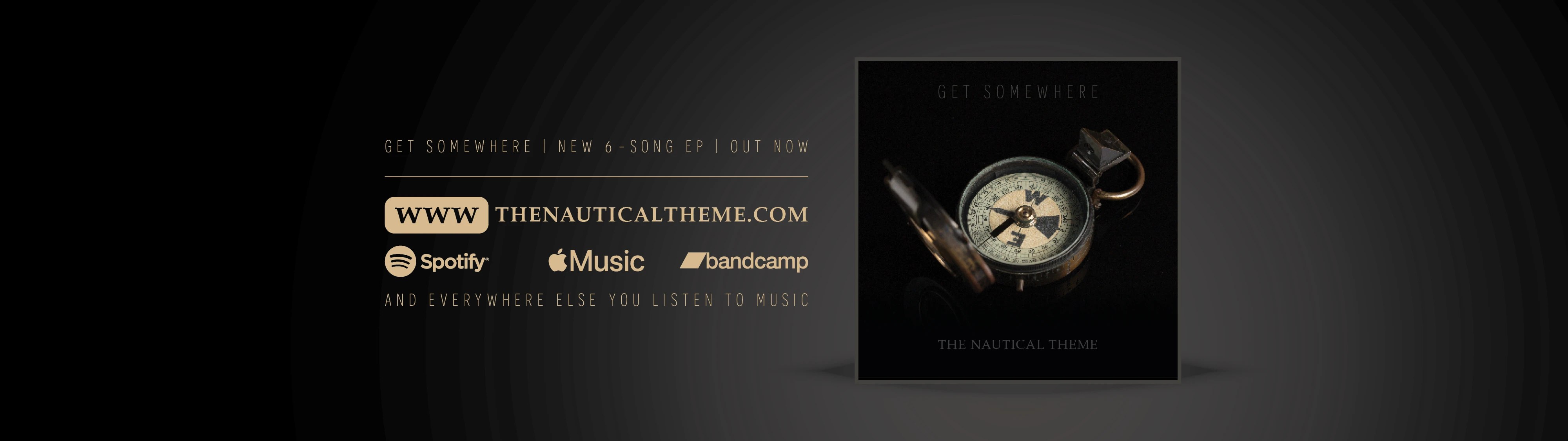
Dayton, Ohio, a city known for its rich musical history, has produced a myriad of talented artists across various genres. Among the vibrant musical landscape emerges The Nautical Theme, a captivating duo that has been making waves with their latest record, “Get Somewhere.” Comprising long time bandmates Matt Shetler (Vocals, Guitar) and Tesia Mallory (Vocals, Keyboards), The Nautical Theme seamlessly blends folk, indie, and pop influences to create a sound that is uniquely their own.

Get Somewhere,” the duo’s newest offering and one of our favorites of 2023, is a musical journey that explores the complexities of life, family, love, and the pursuit of meaning. Clocking in at six tracks, the album showcases the duo’s growth and maturity both lyrically and musically. From the moment the needle drops, listeners are transported into The Nautical Theme’s world, a place where introspection and vulnerability reign supreme.

One of the album’s standout tracks is the opener, “Sun Won’t Rise.” With its infectious melody and thought-provoking lyrics, the song sets the tone for the entire record. Dave’s skillful guitar playing complements Mallory’s soulful vocals, creating a harmonious blend that immediately captures the listener’s attention. The track explores the challenges of navigating the complexities of modern life, touching on themes of resilience and the pursuit of one’s true self.

As “Get Somewhere” unfolds, the duo delves into a range of emotions and experiences, crafting a narrative that resonates with listeners on a personal level. Tracks like “Trouble Tonight” and “Young and Free” showcase The Nautical Theme’s ability to craft catchy, introspective songs that stick with you long after the music stops. Matt and Tesia’s evocative storytelling and their intricate musical arrangements create a synergy that elevates each composition to new heights.

The album’s production is noteworthy, with each instrument and vocal line given the space to breathe. The sound is polished yet retains a raw, authentic quality that reflects the duo’s genuine approach to their craft. From the subtle nuances of Tesia’s voice to the intricate guitar work, every element of “Get Somewhere” is meticulously crafted, contributing to the overall sonic tapestry of the record.

Lyrically, The Nautical Theme explores themes of love, loss, and self-discovery. Matt’s poignant lyrics are a highlight, offering listeners a glimpse into the depths of emotions and experiences. Whether reflecting on the passage of time in “Home” or grappling with the complexities of relationships in “Something That You Needed,” Matt’s lyrical prowess shines throughout the album.

Get Somewhere” also features a diverse sonic palette that keeps the listening experience engaging from start to finish. The duo seamlessly transitions between upbeat, folk-infused tracks like “Trouble Tonight” and more introspective, stripped-down moments such as “Something That You Needed.” This dynamic range showcases The Nautical Theme’s versatility as musicians and songwriters.

The album’s standout track for us, “Young and Free,” serves as a thematic centerpiece, encapsulating the essence of the entire record. With its infectious chorus and uplifting instrumentation, the song encourages listeners to embrace the journey of self-discovery and personal growth. It’s a testament to The Nautical Theme’s ability to create music that not only resonates on an emotional level but also inspires introspection and positive change. This is music that matters.

In addition to their musical prowess, The Nautical Theme’s connection with their audience is palpable. The authenticity and sincerity that permeate their music extend to their live performances, creating an immersive and intimate experience for fans. Dayton, Ohio, has become a key backdrop for their artistic journey, and the local community has embraced the duo with open arms.

As The Nautical Theme continues to carve out their own niche in the music industry, “Get Somewhere” stands as a testament to their growth and artistry. The record not only showcases their musical talent but also serves as a reflection of the human experience—its challenges, triumphs, and the perpetual quest for meaning.

The Nautical Theme’s “Get Somewhere” is a captivating musical odyssey that cements the duo’s status as rising stars in the indie folk scene across the country. With its rich lyricism, impeccable musicianship, and emotional depth, the album invites listeners to embark on a journey of self-discovery alongside the talented duo. The ability of Matt and Tesia to blend, swirl, and complement their voices is a rare ability in music. It is not at all trite to say that this duo was meant to sing together. As The Nautical Theme continues to make waves from their Dayton, Ohio, home base, “Get Somewhere” solidifies their place in the musical landscape, leaving an indelible mark on the hearts and ears of those who take the time to listen.

Favorites of 2023: Just the List

This time of the year every music writer’s fancy turns to the ubiquitous quest for the best of/favorites of the year. We start with a list of albums and singles we played on YTAA at least three or four times. Then we consider what songs and records slipped into our consciousness and we spent more time simply thinking about that song, that album — those words. If there is a pattern to what we loved in 2023, it is a bit hard to pin down. If we take a wild stab at an answer, 2023 was a year of amazing music from powerful, strong, thoughtful women musicians. From the incredible voice of Sarah Rudy in Hello June to the authenticity of Kim Ware and Van Plating across to the irresistible guitar tones and perfect singing of Tamar Berk, Blondshell, Beth Bombara, and Lydia Loveless, so many outstanding records were made outside of the men’s club this past year — and that is a welcome change.

Every writer, just like every music fan, has styles and sounds that they are irresistibly pulled towards. Clearly, Dr. J loves guitar. For some writers the list is likely to be diverse, reflecting a fusion of genres and innovative production techniques. And that is fine. With the continued influence of technology, some writers are drawn to artists who experimented with new sounds and collaborate across musical boundaries, creating a sonic outcome that resonates. For other writers, the search for a pure direct authenticity of instruments lead them to the streets where the music is painted without electronics. Acoustic and stripped down arrangements played on traditional equipment bring gratitude to the heavens for that music from some writers.

When crafting a list of favorites from the year, some writers will consider representation. Genres such as indie pop, electronic, and hip-hop may continue to dominate, with emerging artists bringing fresh perspectives and pushing creative boundaries. Collaborations between mainstream and indie artists could lead to unexpected yet captivating musical experiences. Shoegaze, for example, has made many returns after some commentators spilled tremendous amounts of ink over the idea that shoegaze had come and gone. Music in the year 2023 saw several bands who represented that style.

Lyrically, many of the themes explored in 2023 revolve around social issues, personal growth, feeling whatever the artist needs or desires to feel, perhaps some of the “Best” representations for the year are the songs that grab and do not let go of the human experience. Artists may use their platforms to address pressing matters, providing listeners with thought-provoking content that goes beyond mere entertainment and that might be the magic that some writers are drawn to when considering all the records and songs that came out during one trip around the sun.

There are some ‘off limits,’ ‘don’t walk on the grass’ ideas for us here at Your Tuesday Afternoon Alternative. Sure, the rise of virtual and augmented reality experiences may revolutionize the way music is consumed, offering immersive and interactive performances that redefine the traditional concert experience. But for us, human beings need to be part of the creation and experience of music. Streaming platforms might incorporate cutting-edge technologies to enhance the listener’s engagement with the music and while we can and should debate the lack of compensation, which is only going to get more challenging in 2024, AI generated melodies, tones, and arrangements of notes are not considered for inclusion on our favorites of the past year.

The best albums of 2023 could be those that not only showcase exceptional musical talent but also tell compelling stories or provide a unique perspective on the world. Artists who successfully blend innovation with authenticity may find themselves at the forefront of critical acclaim and commercial success and, to be entirely transparent, will immediate draw our attention for a favorites of the year.

Ultimately, the best music of 2023 will likely be a subjective experience, as individual tastes vary widely. However, it is important to consider this a reflective exercise. Every year is poised to be an exciting time for music enthusiasts, with a plethora of sounds and styles to explore, pushing the boundaries of what we thought possible in the world of music. Every year is full of promise. No annual march of the calendar is without merit and new experiences. So, to create a list of the music that moved you in 2023, is not to close the door to new auditory love but to remember we break our hearts so we can fall in love again with songs and albums we have not even heard yet.

The list below is our start on our favorites from this past year. A longer set of articles will come out exploring what it was that caught our attention in these albums and songs.

Favorite record for us in 2023:

Hello June – Artifacts

You can read our review of this fantastic record!

This music transcends time and place, resonating with listeners in their quest for meaning and understanding. The lyrics serve as a mirror, reflecting the innermost thoughts and emotions that often remain unspoken. Hello June’s “Artifacts” is a sonic masterpiece — and we are prepared to die on that hill to defend that assertion — that deserves a place in the hearts of all music fans. It is a timeless record that captures the essence of the human experience, a treasure chest of emotions waiting to be discovered with each listen. 

In no particular order of importance but records that we believe were mightily impressive:

The 1984 Draft – Best Friends Forever

The Replacements – Tim Let It Bleed Edition (Ed Stasium Mix)

Tamar Berk – Tiny Injuries

Smug Brothers – In The Book of Bad Ideas

Elephants and Stars – Get Your Own Army

The Nautical Theme – Get Somewhere

Palm Ghosts – I Love You, Burn in Hell

Van Plating – Orange Blossom Child

Lydia Loveless – Nothing is Gonna Stand In My Way Again

Kim Ware – Homely

Bottlecap Mountain – O Fantastik Melancholy

Beth Bombara – It All Goes Up

Nicholas Johnson – Shady Pines Vol. 2

The Pretty Flowers – A Company Sleeve

The Connells – Ring (Deluxe Edition)

Black Belt Eagle Scout – The Land, The Water, The Sky

Blondshell – Blondshell

Achilles Tenderloin – Tincture for Trouble

Mike Bankhead – I Am Experienced

Jason Isbell and the 400 Unit – Weathervanes

Some of our Favorites of 2023:

Arthur Alexander – …Steppin’ Out!

Mommy – Be Your Own Pet

Frankie Rose – Love as Projection

Cold Expectations – Static Reactions

Connections – Cool Change

The Connells – Set The Stage

Dolph Chaney – Mug

En Attendant Anna – Principia

Graham Parker & The Golden Tops – Last Chance to Learn the Twist

Guided By Voices – Nowhere to Go But Up/Welshpool Frillies

H.C. McEntire – Every Acre

Jess Williamson – Time Ain’t Accidental

John P. Strohm – Ready for Nothing

Jphono1 – Invisible Futures and Make Believe Pasts

Louise Post – Sleepwalker

Love Rat – Howl at the Moon

Matt Moran – Heartache Kid (Acoustic)

The Radio Field – Don’ts and Do’s

Shannon Clark & The Sugar – This Old World

Special Friend – Selkie

Tino and DJ Marrrtin – La Pie Bavarde

Trapper Schoepp – Siren Songs

Singles

No One Sphere – Fingerz to Lips

Elephants and Stars – Bled Out At The Scene

David Payne – Best Intentions

We Met In Paris – Mont Blanc Massif

The National – Eucalyptus

sparkle_jets uk – He’s Coming Out

The Well Wishers – So Important

Tod Weidner – Raising Pain

Mike Bankhead – Latent

Given Names – Makin’ Eyes

Cowboys in The Campfire – Here We Go Again

Teenage Fanclub – Foreign Land

Hannah Jadagu – Lose

High on Stress – Over-Thru

Jeremy Porter and the Tucos – Five-Foot-Three and Tiger Eyes

Tyler Childers – Rustin’ in the Rain

Kurt Lee Wheeler – We Will Travel

Honorable Mentions

Yo La Tengo – This Stupid World

Amber Hargett – Coal Mine Canary

Brainiac – The Predator Nominate EP

Quiet Signals – Quiet Signals