
There was a time—not that long ago, though it now feels like it belongs to another civilization—when finding music required effort. You had to go somewhere. You had to wait. You had to risk disappointment. You had to listen to something you didn’t already know you liked. That friction, that uncertainty, was the whole point. It was how music got inside you.
Today, we have more music available than any human being could listen to in a thousand lifetimes, yet many of us feel like we’re hearing less of it. Not less sound—oh, there’s plenty of sound—but less encounter. Less surprise. Less devotion. Less of that sacred, slightly ridiculous act of sitting down and letting a song take over your nervous system for three minutes and change.
What happened is simple enough to explain: we filled every available moment with something else. Digital social media promised connection, discovery, and access. And it delivered—spectacularly. And not at all. It created an environment where attention is endlessly fragmented. We don’t just listen anymore; we scroll while we listen. We check notifications while we listen. We skip ahead after fifteen seconds because the algorithm has trained us to expect instant gratification. The result is a strange paradox: we are surrounded by music, yet rarely immersed in it and not giving it the attention it richly deserves.
Music, real listening, requires time. Not a lot of time, necessarily. But uninterrupted time. Time that feels a little indulgent. Time that feels like you might be wasting it. And here’s the radical idea: that “wasted” time is exactly where discovery lives.
The great myth of the digital age is that more content equals more culture. But culture doesn’t grow from quantity. It grows from attention. A song becomes meaningful not because it exists somewhere on a server, but because someone listens to it—really listens—to the point where it rearranges their emotional furniture.
Think about the last time you discovered a piece of music that stopped you in your tracks. Maybe it was late at night. Maybe you were driving. Maybe you stumbled across it by accident. However it happened, the experience probably felt different from the usual blur of online consumption. It felt deliberate. It felt personal. It felt like you had found something instead of being fed something.
That distinction matters.
The architecture of social media is built around speed and repetition. The faster you move, the more you see. The more you see, the more you stay. But music works in the opposite direction. Music asks you to slow down. It asks you to sit with ambiguity. It asks you to listen to something unfamiliar long enough for it to make sense. Discovery, in other words, requires patience.
There was a time when patience was built into the system. You waited for the radio DJ to play something new. You flipped through record bins. You borrowed an album from a friend and listened to it because that was what you had. Sometimes you hated it at first. Sometimes you loved it immediately. Sometimes it grew on you slowly, like a strange plant taking root in your brain.
That slow growth is becoming harder to find in an environment where every distraction is just a thumb-swipe away. None of this means technology is the enemy. Streaming services, online radio, and digital archives have opened doors that were once locked. Independent artists can reach global audiences. Listeners can explore genres that would have been impossible to access in the past. The problem isn’t access. The problem is attention.
We are drowning in options, and that abundance can make us passive. Instead of seeking out music, we wait for it to appear in a curated feed. Instead of listening deeply, we sample briefly. Instead of committing to an album, we skim playlists.
The solution is not complicated, but it does require intention.
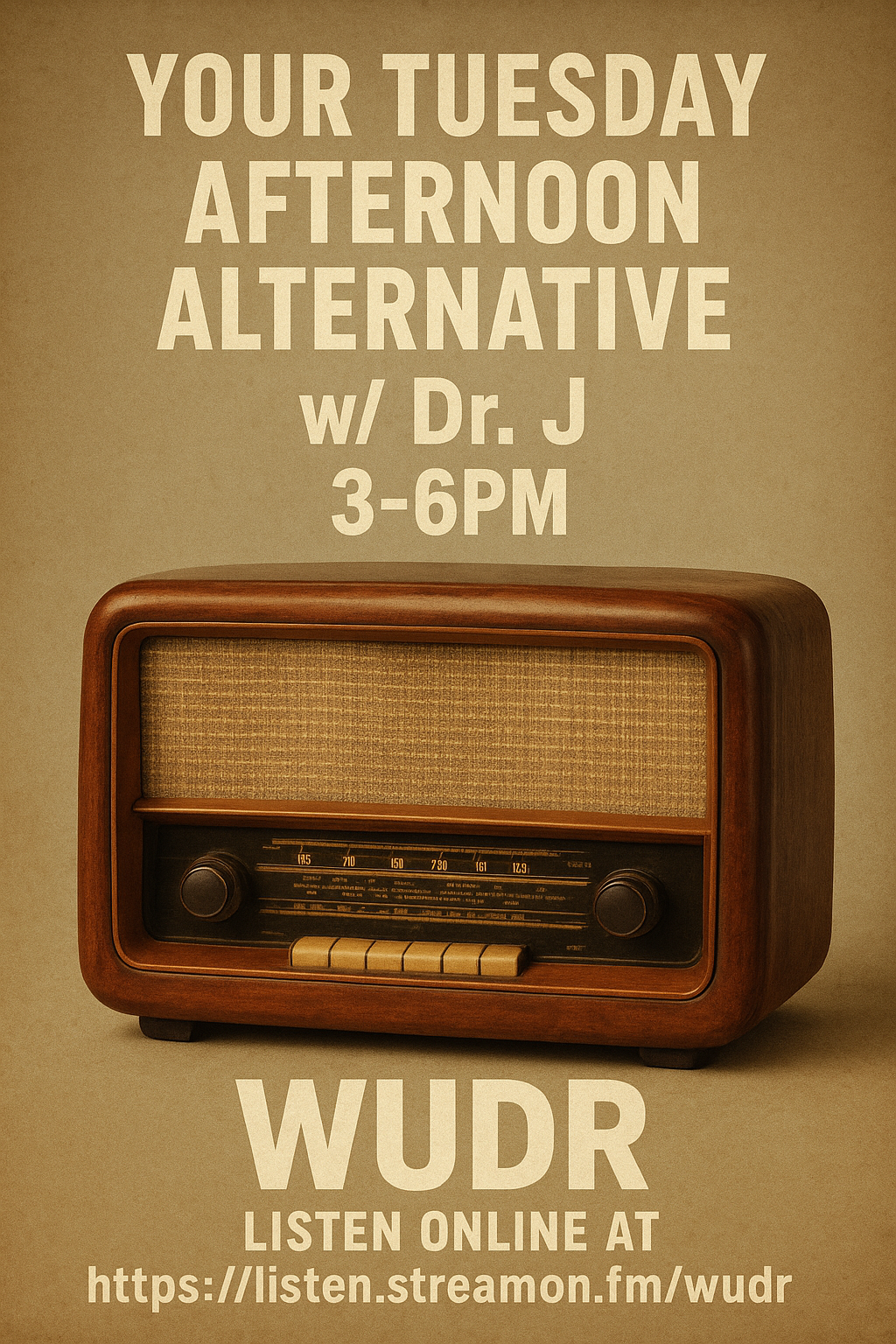
Set aside time to listen to music the way you might set aside time to read a book or watch a film. Turn off notifications. Resist the urge to multitask. Let the music play all the way through, even if it feels unfamiliar or challenging. Give yourself permission to be bored for a moment. Boredom, after all, is often the doorway to curiosity.
Another strategy is to reintroduce risk into your listening habits. Choose an artist you’ve never heard before. Explore a genre that makes you slightly uncomfortable. Listen to an entire album instead of a single track. Follow the recommendations of a trusted friend, a local radio station, or a human curator rather than an algorithm.
These small acts of resistance can transform listening from a background activity into a meaningful experience.
Music is not just entertainment. It is a way of understanding the world. It is a record of human feeling. It is a form of companionship. When we lose the habit of listening deeply, we lose more than songs—we lose a piece of our cultural imagination.
In an era defined by constant distraction, choosing to spend time with music is a quiet act of rebellion. It is a declaration that some experiences deserve our full attention. It is a reminder that discovery still matters.
So find an hour. Or even twenty minutes. Put your phone down. Press play. And listen—not while doing something else, but simply to hear what happens next. Wear the headphones. Clothes your eyes. Let the music become your universe.
 your tuesday afternoon alternative