The New DIY Pipeline: How Indie Artists Are Building Audiences Without Labels or Algorithms

It’s 2026, and if someone tells you that the gatekeepers have vanished, they’re half right — because the old ones never really left, and the new ones are algorithms you can’t talk to over a beer. But out here in the dust-soaked landscape where indie music still breathes, artists are inventing their own economies, building their own tribes, and sustaining entire careers without waving to Spotify’s backstage bouncer. This is the story of the new DIY pipeline — where radical drive, community, and patronage outshine cold, digital playlists.

Let’s start with a truth that should be shouted from every rooftop: you don’t need a major label to be heard anymore — you just need someone who’ll listen. That’s both terrifying and beautiful, especially when artists like Hello June come along and remind you why indie music is still worth the trouble. You might know Hello June as the West Virginia-rooted outfit whose reverb-soaked guitars and poetic introspection make a perfect late-night soundtrack to driving somewhere you shouldn’t be. Their songs, like “Mars” and “Honey I Promise,” shimmer with emotional clarity — the kind of music that makes you feel seen in the dark. Critics from Paste to NPR Music cited them early on, and they’ve carved a lane in the hearts of listeners without a “Major” label deal ever steering their ship.

Meanwhile, from the Midwest — not far from our own Dayton scene — artists like Beth Bombara have spent years building careers outside the corporate churn. Bombara, originally from Grand Rapids, relocated to St. Louis, Missouri, in 2007, where she became a prominent figure in the city’s Americana and roots music scene, blending folk and indie rock with a strong work ethic and a distinctive sound. She funded her first full-length in 2010 with Kickstarter and has since navigated life as a working artist armed with nothing more than her incredible voice, her evocative guitar, and her fans’ belief.

These are not anomalies — they’re the new normal.

The digital era promised democratization, but what we actually got was decentralization: power pulled out of a few hands and spread across millions of screens. No longer is the major label the only entity that can bankroll an album, book tours, or create community. Instead, bands, solo musicians, and writers are turning to platforms that were once footnotes in industry thinkpieces — places like Patreon, Bandcamp, Discord, and direct mailing lists, among other creative tools of communication.

So what’s the deal with Patreon? First co-invented by musician Jack Conte as a direct lifeline between artist and audience, Patreon operates on a simple but subversive idea: fans will pay if what you make matters to them — not just as background noise, but as something alive in their lives.

At its core, Patreon is a membership platform where a listener can become a patron — literally a supporter — of an artist they believe in. This isn’t an iTunes download or a Spotify stream; it’s ongoing support. The model flips the script: instead of chasing playlist placements and algorithm boosts, musicians offer exclusive content, early access to songs, behind-the-scenes videos, and even livestreams of rehearsals or songwriting sessions. It’s the 21st-century version of knocking on your favorite artist’s green room door after a show, but without the awkwardness and with a monthly subscription.

Let’s take Amanda Palmer as an example — not because she’s the only one doing it, but because she made it look possible for everyone. Palmer is a prominent example of an artist bypassing traditional music industry structures, having pioneered a sustainable career through direct-to-fan crowdfunding and patronage. Her success with Patreon, which at times saw her supported by over 11,000 patrons for her content, highlights a shift toward, and the viability of, an independent, community-funded model. With thousands of patrons, she has funded entire projects, released music on her own terms, and keeps her creative life spinning outside the corporate wheelhouse. Palmer’s success proves that authentic connection beats algorithmic luck every time.

Amanda Palmer isn’t alone — she’s just the loudest proof of concept. Once the door cracked open, a lot of artists realized they didn’t need permission anymore.

Take Pomplamoose, for instance. Jack Conte and Nataly Dawn didn’t just use Patreon — Conte co-built it after realizing that viral success on YouTube didn’t equal financial stability. Pomplamoose flipped the script by inviting fans into the process: behind-the-scenes videos, early releases, and transparent explanations of how music actually gets made and paid for. Their Patreon isn’t about mystique; it’s about trust. Fans know where their money goes, and in return, the band keeps control of its sound, schedule, and sanity.

Then there’s Jonathan Coulton, a cult hero long before “crowdfunding” became a buzzword. Coulton built his career through mailing lists, web releases, and fan support years before Patreon existed. When he later embraced patronage platforms, it felt less like a pivot and more like a natural extension of a relationship he’d already cultivated. His success reminds us that this model isn’t about tech — it’s about consistency and connection.

Erin McKeown offers another blueprint. A fiercely independent songwriter with a restless creative streak, McKeown has used Patreon to support not just albums but experimentation itself — new sounds, collaborations, and political engagement. Patrons aren’t just buying songs; they’re underwriting artistic freedom. That’s the real revolution here: the ability to fail, explore, and grow without a label hovering over your shoulder asking about “marketability.”

In the indie-folk and Americana world, artists like Dessa have also leaned into direct support. Through Patreon and direct fan engagement, Dessa has funded releases, tours, and multimedia projects while maintaining ownership of her work and her narrative. What stands out is how these artists talk to their supporters — not as consumers, but as collaborators in a shared cultural project.

Even younger, genre-blurring artists have taken notice. Jacob Collier turned his Patreon into a living room — a place for listening parties, deep musical nerdery, and real-time feedback from fans who care about chord changes and time signatures. It’s not mass culture; it’s micro-culture. And that’s exactly the point. Collier reimagined his Patreon into a hub for superfans: album recommendations, Zoom “hangs,” and listening parties — experiences you can’t get anywhere else.

What ties all of these artists together isn’t genre, fame level, or even platform — it’s a shared refusal to treat listeners like anonymous clicks. In each case, Patreon becomes less of a paywall and more of a campfire: a place where artists explain what they’re doing, why it matters, and how supporters are part of it.

This model scales down beautifully, too. The same logic that sustains Amanda Palmer or Pomplamoose works for regional and DIY artists — including those orbiting scenes like Dayton’s. An artist doesn’t need 11,000 patrons; sometimes 100 deeply invested listeners are enough to fund a record, press vinyl, or take a tour without going broke. That’s the quiet power of the system.

What all of this proves — over and over — is that authentic connection beats algorithmic luck every time. Algorithms reward sameness and volume. Communities reward honesty, risk, and presence. Patreon didn’t invent that truth — it just gave it a payment button. And once artists realized they could build sustainable lives by talking with their audiences instead of shouting at them, there was no going back.

Now take a beat and imagine that same mentality applied locally: imagine Dayton-area artists building scenes not by random algorithmic chance, but by actual conversation. Bands like The Nautical Theme, whose work has caught attention around the region and beyond — a duo with rich lyricism and intimate sound — are the perfect candidates for this kind of direct support model.

Instead of waiting for a mysterious playlist curator to decide whether they “fit,” these artists can launch a Patreon and say:
“Here’s our new track before anyone else hears it.”
“Here’s a video of us working through this melody.”
“Here’s a Q&A or a private live chat.”

And the fans — the listeners who feel like family — respond.

This approach is not without its skeptics. Some fans grumble that putting music behind a paywall feels transactional, a betrayal of the free-streaming age. Others worry that Patreon can become a grind: you owe monthly content, you owe engagement, you owe something beyond the music itself. That criticism isn’t wrong — but it’s missing the bigger picture: Patreon isn’t about hiding your art, it’s about valuing your art.
Because here’s a fact nobody will whisper: streaming services pay ‘peanuts.’ Artists make fractions of pennies, and touring income can evaporate overnight (as COVID taught us). Patreon isn’t a silver bullet, but it gives back the dignity of direct support — something that crowdfunding pioneers like Bombara were already practicing a decade ago with Kickstarter.

And so we come full circle. This new DIY pipeline isn’t about rejection of platforms like Spotify or Apple Music — they still matter — it’s about not depending on them exclusively. It’s about deepening the relationship between artist and audience, and about building sustainable careers outside traditional structures.

You can see this new ecosystem everywhere you look:

  • Exclusive releases on Bandcamp that let fans pay more than the minimum — paying what they want to support the artist directly;
  • Patreon communities that reward superfans with behind-the-scenes access;
  • Local scenes where bands exchange audiences and cross-promote shows;
  • And yes, tiny micro-labels started by fans that release cassette tapes because who says they can’t?

It resembles the old punk DIY ethos as much as it does the post-internet world: make your art, find your people, and don’t wait for permission. Leave the algorithms to sort cookies — the real thing happens where hearts beat, and feet stomp at house shows, where fans feel like participants instead of data points.

Maybe there’s something inherently human about all this — after all, music has always been about connection. Whether it was someone handing you a mixtape in the ‘90s, a friend whispering about a local band at a bar, or a Patreon post that makes you feel like you’re part of the creative process — that’s what sustains music. Not corporate endorsements. Not algorithmic pushes. People who feel something choose to support something real.

And in 2026, that might just be the most radical thing of all.

Favorites of 2023: Just the List

This time of the year every music writer’s fancy turns to the ubiquitous quest for the best of/favorites of the year. We start with a list of albums and singles we played on YTAA at least three or four times. Then we consider what songs and records slipped into our consciousness and we spent more time simply thinking about that song, that album — those words. If there is a pattern to what we loved in 2023, it is a bit hard to pin down. If we take a wild stab at an answer, 2023 was a year of amazing music from powerful, strong, thoughtful women musicians. From the incredible voice of Sarah Rudy in Hello June to the authenticity of Kim Ware and Van Plating across to the irresistible guitar tones and perfect singing of Tamar Berk, Blondshell, Beth Bombara, and Lydia Loveless, so many outstanding records were made outside of the men’s club this past year — and that is a welcome change.

Every writer, just like every music fan, has styles and sounds that they are irresistibly pulled towards. Clearly, Dr. J loves guitar. For some writers the list is likely to be diverse, reflecting a fusion of genres and innovative production techniques. And that is fine. With the continued influence of technology, some writers are drawn to artists who experimented with new sounds and collaborate across musical boundaries, creating a sonic outcome that resonates. For other writers, the search for a pure direct authenticity of instruments lead them to the streets where the music is painted without electronics. Acoustic and stripped down arrangements played on traditional equipment bring gratitude to the heavens for that music from some writers.

When crafting a list of favorites from the year, some writers will consider representation. Genres such as indie pop, electronic, and hip-hop may continue to dominate, with emerging artists bringing fresh perspectives and pushing creative boundaries. Collaborations between mainstream and indie artists could lead to unexpected yet captivating musical experiences. Shoegaze, for example, has made many returns after some commentators spilled tremendous amounts of ink over the idea that shoegaze had come and gone. Music in the year 2023 saw several bands who represented that style.

Lyrically, many of the themes explored in 2023 revolve around social issues, personal growth, feeling whatever the artist needs or desires to feel, perhaps some of the “Best” representations for the year are the songs that grab and do not let go of the human experience. Artists may use their platforms to address pressing matters, providing listeners with thought-provoking content that goes beyond mere entertainment and that might be the magic that some writers are drawn to when considering all the records and songs that came out during one trip around the sun.

There are some ‘off limits,’ ‘don’t walk on the grass’ ideas for us here at Your Tuesday Afternoon Alternative. Sure, the rise of virtual and augmented reality experiences may revolutionize the way music is consumed, offering immersive and interactive performances that redefine the traditional concert experience. But for us, human beings need to be part of the creation and experience of music. Streaming platforms might incorporate cutting-edge technologies to enhance the listener’s engagement with the music and while we can and should debate the lack of compensation, which is only going to get more challenging in 2024, AI generated melodies, tones, and arrangements of notes are not considered for inclusion on our favorites of the past year.

The best albums of 2023 could be those that not only showcase exceptional musical talent but also tell compelling stories or provide a unique perspective on the world. Artists who successfully blend innovation with authenticity may find themselves at the forefront of critical acclaim and commercial success and, to be entirely transparent, will immediate draw our attention for a favorites of the year.

Ultimately, the best music of 2023 will likely be a subjective experience, as individual tastes vary widely. However, it is important to consider this a reflective exercise. Every year is poised to be an exciting time for music enthusiasts, with a plethora of sounds and styles to explore, pushing the boundaries of what we thought possible in the world of music. Every year is full of promise. No annual march of the calendar is without merit and new experiences. So, to create a list of the music that moved you in 2023, is not to close the door to new auditory love but to remember we break our hearts so we can fall in love again with songs and albums we have not even heard yet.

The list below is our start on our favorites from this past year. A longer set of articles will come out exploring what it was that caught our attention in these albums and songs.

Favorite record for us in 2023:

Hello June – Artifacts

You can read our review of this fantastic record!

This music transcends time and place, resonating with listeners in their quest for meaning and understanding. The lyrics serve as a mirror, reflecting the innermost thoughts and emotions that often remain unspoken. Hello June’s “Artifacts” is a sonic masterpiece — and we are prepared to die on that hill to defend that assertion — that deserves a place in the hearts of all music fans. It is a timeless record that captures the essence of the human experience, a treasure chest of emotions waiting to be discovered with each listen. 

In no particular order of importance but records that we believe were mightily impressive:

The 1984 Draft – Best Friends Forever

The Replacements – Tim Let It Bleed Edition (Ed Stasium Mix)

Tamar Berk – Tiny Injuries

Smug Brothers – In The Book of Bad Ideas

Elephants and Stars – Get Your Own Army

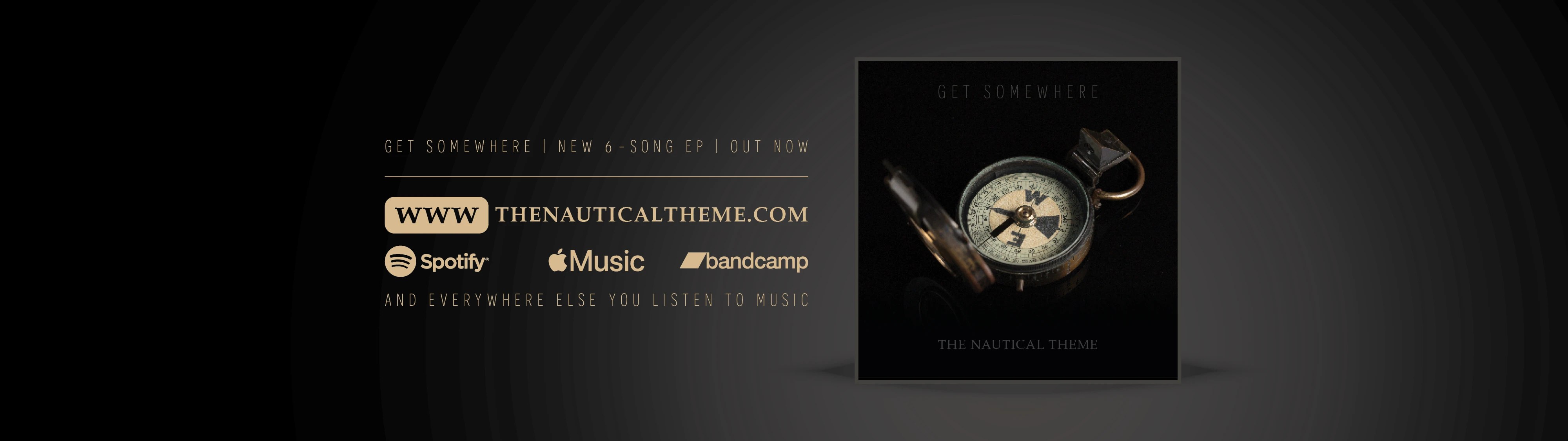
The Nautical Theme – Get Somewhere

Palm Ghosts – I Love You, Burn in Hell

Van Plating – Orange Blossom Child

Lydia Loveless – Nothing is Gonna Stand In My Way Again

Kim Ware – Homely

Bottlecap Mountain – O Fantastik Melancholy

Beth Bombara – It All Goes Up

Nicholas Johnson – Shady Pines Vol. 2

The Pretty Flowers – A Company Sleeve

The Connells – Ring (Deluxe Edition)

Black Belt Eagle Scout – The Land, The Water, The Sky

Blondshell – Blondshell

Achilles Tenderloin – Tincture for Trouble

Mike Bankhead – I Am Experienced

Jason Isbell and the 400 Unit – Weathervanes

Some of our Favorites of 2023:

Arthur Alexander – …Steppin’ Out!

Mommy – Be Your Own Pet

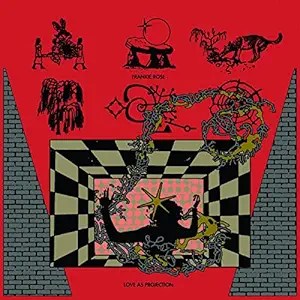
Frankie Rose – Love as Projection

Cold Expectations – Static Reactions

Connections – Cool Change

The Connells – Set The Stage

Dolph Chaney – Mug

En Attendant Anna – Principia

Graham Parker & The Golden Tops – Last Chance to Learn the Twist

Guided By Voices – Nowhere to Go But Up/Welshpool Frillies

H.C. McEntire – Every Acre

Jess Williamson – Time Ain’t Accidental

John P. Strohm – Ready for Nothing

Jphono1 – Invisible Futures and Make Believe Pasts

Louise Post – Sleepwalker

Love Rat – Howl at the Moon

Matt Moran – Heartache Kid (Acoustic)

The Radio Field – Don’ts and Do’s

Shannon Clark & The Sugar – This Old World

Special Friend – Selkie

Tino and DJ Marrrtin – La Pie Bavarde

Trapper Schoepp – Siren Songs

Singles

No One Sphere – Fingerz to Lips

Elephants and Stars – Bled Out At The Scene

David Payne – Best Intentions

We Met In Paris – Mont Blanc Massif

The National – Eucalyptus

sparkle_jets uk – He’s Coming Out

The Well Wishers – So Important

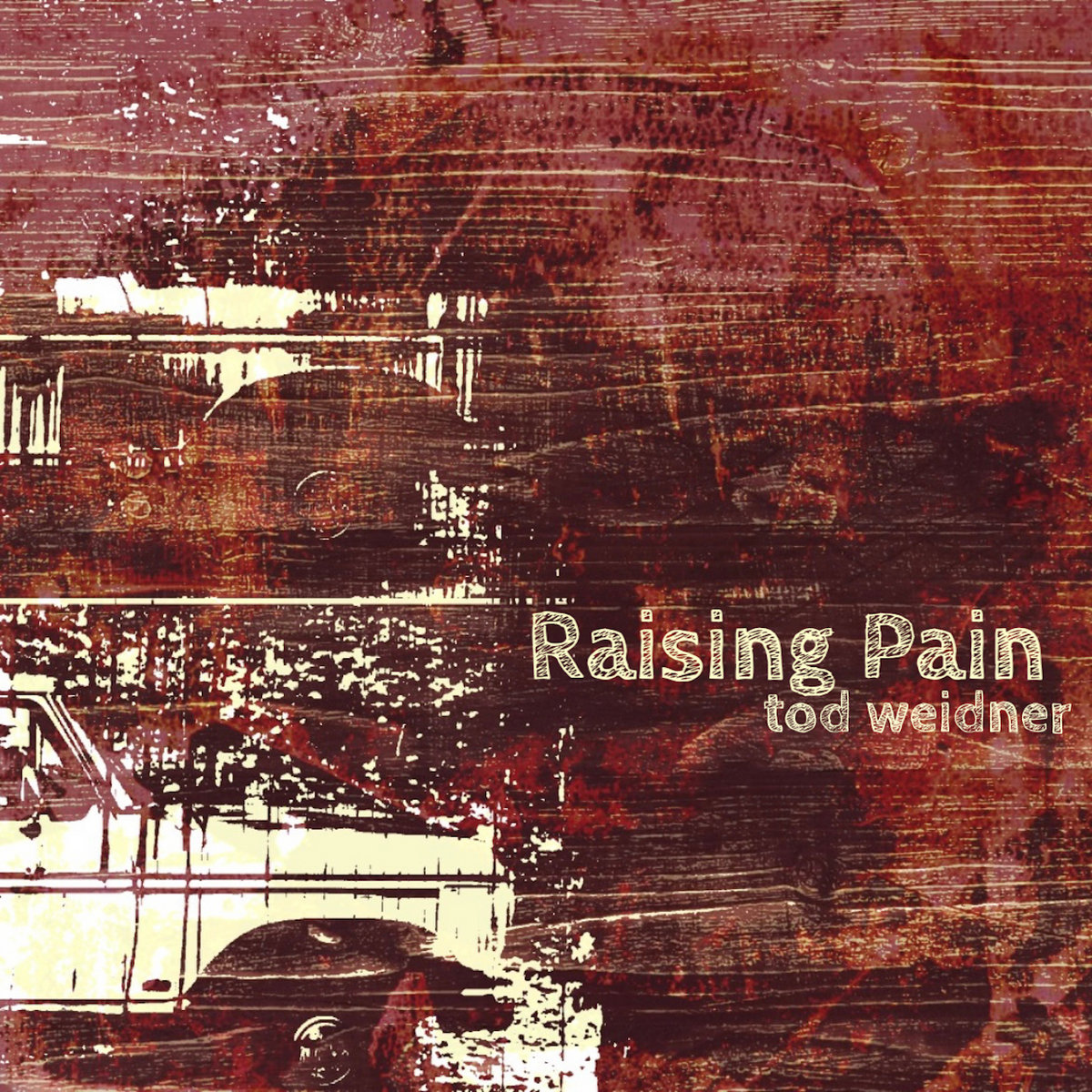
Tod Weidner – Raising Pain

Mike Bankhead – Latent

Given Names – Makin’ Eyes

Cowboys in The Campfire – Here We Go Again

Teenage Fanclub – Foreign Land

Hannah Jadagu – Lose

High on Stress – Over-Thru

Jeremy Porter and the Tucos – Five-Foot-Three and Tiger Eyes

Tyler Childers – Rustin’ in the Rain

Kurt Lee Wheeler – We Will Travel

Honorable Mentions

Yo La Tengo – This Stupid World

Amber Hargett – Coal Mine Canary

Brainiac – The Predator Nominate EP

Quiet Signals – Quiet Signals

Video of The Day: I Only Cry When I’m Alone – Beth Bombara

In a world where music often shies away from genuine emotional rawness, Beth Bombara’s “I Only Cry When I’m Alone” emerges as a breath of fresh air. With soul-stirring lyrics, an evocative voice, and a hauntingly beautiful melody, this track is a testament to the power of simplicity in songwriting. And from the first listen, you will be hooked. And hooked hard to this gem. We have been playing Beth’s music for several years on YTAA and while we are in love with her brilliant latest album, It All Goes Up, her previous albums and music require your undivided attention as well. Plus this video also features the excellent “Upside Down.”

Bombara, a native of Grant Rapids, Michigan has made St. Louis her home, and has a knack for crafting songs that cut straight to the core of the human experience, and “I Only Cry When I’m Alone” is no exception. The song begins with a Jangly guitar riff, setting a melancholic tone that persists throughout. Beth’s voice enters feeling like a whisper, soft but laden with emotion, immediately pulling the listener into her world.

The lyrics of the song are a poignant reflection on the struggles we often hide from the outside world. Bombara confesses, “I’m owning all my insecurities, Callin’ ’em out by name and watch the demons bleed,
They’re tryna hold me to the in-between,” as she explores the common human experience of concealing our pain and vulnerability, even from those closest to us. The words are heartfelt, relatable, and delivered with such sincerity that they linger in the mind long after the song ends.

One of the most remarkable aspects of this track is its ability to build tension and emotion without resorting to excess. Sometimes a whisper hits like the loudest scream. Beth Bombara’s vocals are the driving force, conveying a sense of solitude and fragility that captivates the listener. The song’s arrangement hits from the first, featuring a ’70s feel with jangly guitars and sparse yet driving percussion that holds the song in place, allowing the lyrics and Bombara’s voice to take center stage. The instrumentation creates an intimate atmosphere that underscores the theme of emotional isolation, it has the same sensibility of R.E.M.’s Camera when Stipe sings:

“Will you be remembered? Will she be remembered?
Alone in a crowd a bartered lantern borrowed
If I’m to be your camera then who will be your face?

Bombara’s excellent lyrics have the same impact as the R.E.M. classic. We all have felt the loneliness of solitude and being in a crowd and revealing how we truly feel, the hurts that cannot be contained anymore when we are away from the judging eyes of the world. As Beth sings and holds the word ‘alone’ for a few beats, the impact is even stronger and more unavoidable:

Invisible as air
Hoping  you still care
It  doesn’t matter where I go
I only cry when I’m alone
I  only cry when I’m alone

The song’s production values are impeccable, highlighting Beth Bombara’s unmistakable talents as a songwriter and performer. The mix is clean and balanced, allowing every element to shine through without overpowering the emotional core of the song. The soundscapes created by “I Only Cry When I’m Alone” are evocative, painting a picture of a solitary moment of vulnerability that anyone can relate to.

As “I Only Cry When I’m Alone” progresses, Bombara’s vocals gain strength and intensity, mirroring the idea of vulnerability gradually giving way to self-acceptance. The song’s crescendo is both musically and emotionally satisfying, a testament to Beth’s masterful storytelling.

Beth Bombara’s “I Only Cry When I’m Alone” is a perfect example of vulnerability, passion, the need for connection, and simple direct, and unflinching authenticity. In an atomized world of overproduction and artificial emotions, Bombara’s music stands out as a shining example of what it means to connect with an audience on a deep, emotional level. Her lyrics are poignant, her voice is captivating, and the arrangement is perfectly suited to the song. “I Only Cry When I’m Alone” is a testament to the enduring power of raw, honest songwriting and marks Beth Bombara as an artist to watch. It’s a timeless tune that will undoubtedly leave a lasting impression on anyone who takes the time to listen. Take the time to listen.