Favorites of 2025: The Kyle Sowashes – Start Making Sense

We could have easily titled this column ‘Making Sense of It All: The Kyle Sowashes and the Enduring Power of Indie Rock Honesty,’ because the band’s new record not only showcases their musical growth but also highlights how their plainspoken sincerity continues to resonate in a genre often crowded with irony and affectation.

Independent rock has long thrived on the margins—small rooms, frayed gear, and bands that carve out meaning from the ordinary. Few groups embody this spirit as honestly and as energetically as The Kyle Sowashes, the long-running Columbus, Ohio outfit centered around singer, guitarist, and songwriter Kyle Sowash. Their terrific new record, Start Making Sense, feels both like a culmination of years of steady work and a refreshed sense of purpose. It is an album that sounds lived-in yet ambitious, familiar yet surprisingly expansive.

Like so many of their releases, it is driven by a collaborative band spirit, anchored by Sowash’s unmistakable songwriting voice. But on Start Making Sense, the musicians around him play an especially notable role. This is not merely a collection of songs written by a single songwriter—it is a group effort in the best sense, marked by thoughtful arrangements, spirited performances, and a chemistry that can only develop after years of making music together. The result is a record that feels warm, wry, cathartic, and deeply human.

A Band Made of People, Not Parts

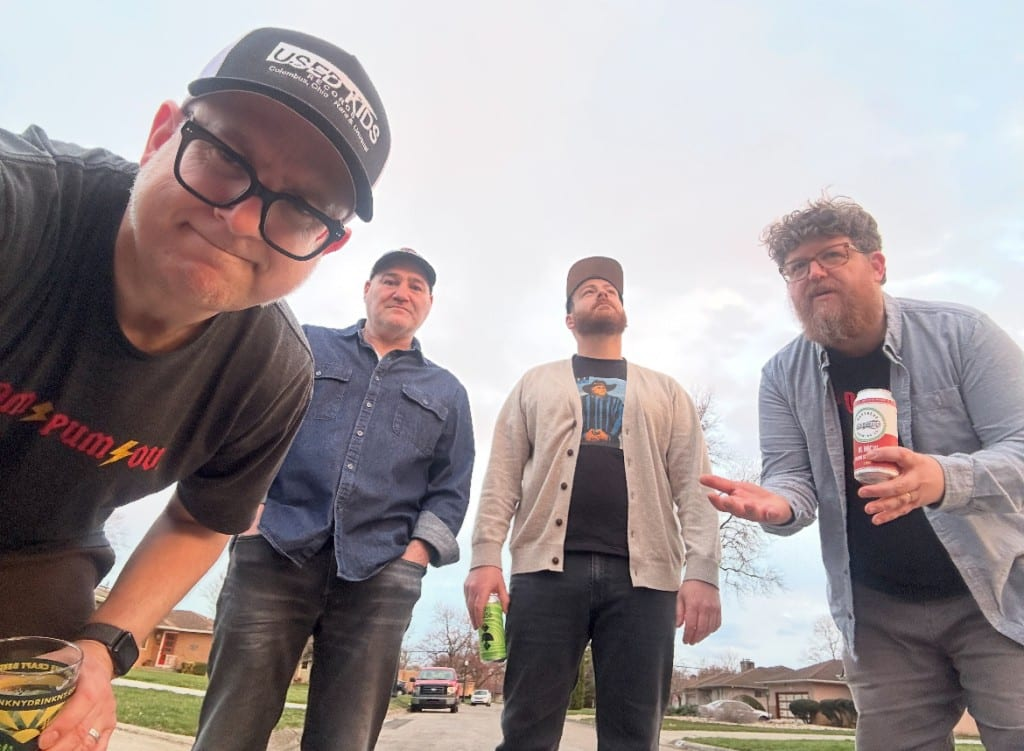
The Kyle Sowashes have always been a band that foregrounds musicianship over mythology. No one is placed on a pedestal; every member shapes the sound. On Start Making Sense, the interplay among the musicians is central to what makes the record feel so alive.

At the center, of course, is Kyle Sowash, the principal songwriter, guitarist, and narrator of the band’s emotional landscape. His style has always blended self-deprecation with sincerity, humor with frustration, resignation with hope. He writes songs the way people talk when they’ve stopped trying to impress anyone. That honesty, paired with a gift for sticky melodies and driving chord progressions, continues to anchor the band.

But the supporting cast expands and elevates the material. The rhythm section, always a strength for the group, is especially tight on this release. The basslines give songs bounce and propulsion, while the drumming adds both momentum and nuance—capable of big-room punch but also subtle shifts in tone that mirror Sowash’s lyrical turns. Together they give the album its shape: urgent when needed, contemplative when the songs pull inward.

The guitar arrangements, too, show a band deeply comfortable playing with space. There are moments of noisy celebration, fuzzed-out riffs, and guitar lines that nod to 90s indie rock and power pop without ever feeling derivative. But there is also restraint when the songs call for it—arpeggiated lines, single-note phrases, and open-chord patterns that accent Sowash’s vocal pacing. The band understands when to push and when to stay out of the way, and that mutual sensitivity is one of the record’s quiet triumphs.

All of this makes Start Making Sense feel less like a front-person project and more like a snapshot of a genuine musical community. The band members are collaborators—not session players—and the record reflects that shared vision.
Sound: An Indie Rock Dial Tuned Just Right

The defining pleasure of listening to The Kyle Sowashes is the feeling that the band knows exactly who they are and that they approach their sound not as a limitation but as an expressive engine. Start Making Sense follows this tradition, delivering songs that are rooted in classic indie rock but refreshed through craft, energy, and emotional clarity.

The album’s guitar-forward sound recalls the big-hearted crunch of bands like Superchunk, The Weakerthans, early Guided by Voices, and 90s midwestern basement rock. But The Kyle Sowashes are not imitators. Their tone is warmer, their pacing more deliberate, their hooks more conversational. They capture what it feels like to be a functional adult who still carries adolescent anxieties; what it feels like to want to grow but not always know how.

The production strikes a careful balance. It is clean enough to reveal the band’s tight musicianship but raw enough to preserve the lived-in charm that defines their identity. The vocals are present but never over-polished; the guitars are textured but not overly layered; the drums have a live-room feel that makes even the more introspective songs sound communal.

This approach is particularly effective because Sowash’s songwriting thrives on immediacy. These songs feel like they were meant to be played in small rooms full of people who understand what it’s like to try, fail, and try again. The sonic palette—guitars that jangle and buzz, drums that sprint and shuffle, bass that grounds and guides—mirrors the emotional palette of the songs themselves.

What the Lyrics Reveal: Vulnerability Without Pretension

What has always separated Kyle Sowash from many of his indie rock peers is his ability to write lyrics that feel like real conversations. He avoids metaphors that spin out into abstraction and instead leans on the everyday: the tension between optimism and exhaustion, the mundane rhythms of adulthood, the stubborn persistence of doubt.

On Start Making Sense, the lyrics feel particularly pointed. There is a thematic thread running through the record about wanting to take stock of one’s life, wanting to be better (or at least different), but also feeling the tug of old habits or long-held insecurities. This tension animates the album emotionally.

Sowash wrestles with questions familiar to anyone who has lived long enough to feel the weight of their own decisions:

  • Am I becoming the person I hoped to be?
  • Am I letting people down without realizing it?
  • Is it too late to make meaningful changes?
  • Why does clarity arrive when I am least prepared for it?

And yet, the writing never lapses into self-pity. Sowash has a rare talent for pairing difficult emotions with flashes of humor or casual understatement. His delivery—half earnest, half exasperated—adds to this effect. Even in the most introspective moments, he trusts his audience. He doesn’t sermonize or hide behind dense metaphor. He simply tells the truth as he sees it.

The Album as a Whole: Why Start Making Sense Works

The strength of the record lies not just in its individual songs but in its overall narrative arc. Start Making Sense feels like a journey, not in a conceptual or theatrical sense, but in the emotional progression from beginning to end.

The early tracks tend to have a forward-thrusting, energetic urgency—songs filled with questions, doubts, and attempts to find clarity. As the album unfolds, the pacing shifts: there are moments of introspection, acceptance, humor, resignation, and renewed commitment.

By the final songs, the album arrives somewhere quieter and more grounded. The narrator has not solved everything—far from it—but there is a sense of movement, of incremental progress. And that sense is arguably more meaningful than any dramatic revelation would be.

This emotional pacing mirrors the band’s musical pacing. The guitars pull back when the lyrics sink deeper; the rhythm section tightens when the narrator feels unsettled; the arrangements widen when Sowash leans into hopeful refrains. The band listens to the songs, and the songs reward that attention.

Why They Matter Now

There is something profoundly refreshing about hearing a band like The Kyle Sowashes release a record like Start Making Sense in 2025. In a music culture where so many albums are shaped by algorithms, trends, or online personas, this record feels defiantly human. It is made by musicians who value craft, community, and honesty over spectacle.

Moreover, the themes of Start Making Sense—struggle, ambivalence, small victories, persistent hope—resonate in a cultural moment marked by fatigue and uncertainty. Many listeners will hear echoes of their own lives in the record: the feeling of trying to recalibrate when everything seems slightly off; the desire to “start making sense” of things that once felt straightforward.

The album does not promise transformation or transcendence. Instead, it offers companionship—a reminder that confusion and self-questioning are universal, and that music can help make sense of things even when life does not.

A Career Highlight and a Quiet Triumph

Start Making Sense stands as one of The Kyle Sowashes’ most affecting and best-crafted albums. It blends the energy of earlier records with a deeper emotional palette; it shows a band confident in its identity yet open to growth. The musicianship is sharp, the lyrics are resonant, and the sound manages to be both comfortingly familiar and subtly evolved.

It is not merely a strong indie rock record—it is a document of adulthood, of persistence, of reassessment, of trying again. In its modesty, it finds profundity; in its humor, it finds catharsis; in its unvarnished honesty, it finds connection. For longtime fans, Start Making Sense will feel like a natural and satisfying next chapter. For new listeners, it offers a compelling introduction to a band that has quietly built one of the most sincere bodies of work in Midwestern indie rock. And for everyone, it offers something increasingly rare: a rock album that makes you feel less alone.


Wussy: The Best Rock Band in America

Wussy is one of those bands that everyone should know. They are an ongoing musical effort for over two decades with a deep catalog. The band’s lyrics — courtesy of Chuck Cleaver and Lisa Walker — are inescapable without being cloying or false, and the band’s observations are relatable, accurate, frighteningly honest, and perhaps more than a little sad. Yet, the dark lyrics hold a unique power to connect deeply with listeners, offering catharsis and shared understanding. They articulate complex emotions like heartbreak, grief, failure no matter what we do, the creeping realization of loss, or loneliness in ways that often resonate universally. We all have felt this way. We have all had to pick ourselves up and pack it up and continue.

This band does not ‘talk down’ or excuse the all too often unbearable. This shared complexity alongside relatability can provide solace, reminding us that struggles and loss are part of a broader human experience. Artists like Leonard Cohen, Nick Drake, XTC, and Wussy use poignant imagery and evocative language to turn personal pain into something captivatingly beautiful and communal. Research in psychology suggests that sad music, especially lyrics, can paradoxically uplift by helping listeners process emotions, offering empathy and a sense of emotional release.

Wussy’s music thrives on atmosphere and contrasts: jangly, distorted guitars and bending pedal steel coexist with heartfelt melodies, while lyrical introspection is paired with propulsive energy. The driving drums and bass arrangements further cement the band’s gravitational pull. This mix defines their aesthetic, often drawing comparisons to The Pixies, Sonic Youth, and Yo La Tengo for their dynamic range.

The band’s dual-vocal approach, featuring Chuck Cleaver and Lisa Walker, adds an emotionally layered dimension to their sound. Their harmonies weave between tenderness and grit, reflecting the tension and warmth present in their lyrics. Themes of heartache, resilience, and the mundane beauty of everyday life emerge vividly, often set against rich, guitar-driven arrangements. Wussy’s sonic identity also incorporates regional pride, as clearly evident in their references to Cincinnati and the Midwest. Critics frequently praise their ability to turn intimate, local stories into universal experiences. Their use of reverb-heavy production and jangling guitar textures evoke both nostalgic warmth and emotional depth, earning them cult status among fans and critics alike. This unique fusion of raw emotion, lyrical storytelling, and sonic experimentation cements Wussy as one of the most compelling voices in contemporary music. Their music is deeply personal yet profoundly accessible, it reminds us that we are not alone.

I consider Wussy an iconic band. Not because of a pose or prophetic statements. Their swirl and sway of instruments and voices are completely unique. No one sounds like them. Wussy, may be labeled an indie rock band from Cincinnati, Ohio, but that does not fully capture what they do. The band has returned with a highly anticipated album titled Cincinnati, Ohio (released on Friday, November 15, 2024) and we are all better for it. This record marks their first full-length album in six years and their first since the passing of guitarist and co-founder John Erhardt (who had been in The Ass Ponys with Cleaver) in 2020. Known for blending honest heartfelt storytelling with robust, guitar-driven sounds, Wussy’s latest work reflects a nuanced exploration of loss, resilience, and their enduring love for their hometown.

The new record, released through hometown label and actual record store, Shake It Records, features ten tracks, including the singles “The Great Divide,” “Sure as The Sun,” and “Inhaler.” The band’s characteristic mix of Americana, Post-Punk, lo-fi noise pop, and introspective lyrics remains central to their sound. Tracks like “The Great Divide” showcase their ability to layer droning, propulsive rhythms with deeply evocative storytelling, capturing the emotional intensity fans have come to expect from Wussy’s catalog. These songs signify a period of renewal and creativity after a period of reflection during their hiatus. Many fans are excited about the release of these songs having heard acoustic versions of several of them during live streams during the lockdown of the Covid Pandemic.

The album draws from personal experiences and the band’s shared history in Cincinnati, a city they frequently reference in their music and where they live. Themes of identity, community, and memory are woven throughout the record, with a tone that both mourns and celebrates. This duality underscores the resilience of a band that has endured significant changes while staying true to its artistic roots. The band members do not pretend or play false flag arguments about their ties to their hometown. The ties that bind here are part of the band’s identity.

Wussy also released two accompanying EPs, The Great Divide and Cellar Door, further showcasing their ability to experiment with sound and storytelling. This multi-release strategy highlights their dedication to producing layered and diverse music for their audience. And Wussy fans are happy for these releases.

The band is known — and rightly celebrated — for its DIY ethos and deeply collaborative nature. Since their formation in 2001, Wussy has been widely praised for their raw authenticity and ability to merge genres seamlessly. Cincinnati, Ohio continues this tradition while evolving their sound to address both personal and universal themes, making it a compelling addition to the discography.

You can explore the album further, and I recommend that you do so! Or better yet purchase it through Shake It Records or Bandcamp. For more insights into the band and their new music, check out their official site or the well-deserved recent press coverage.

Faves of 2023: Van Plating – Orange Blossom Child

In November, we wrote a review of Van Plating’s excellent “Orange Blossom Child.” The record is not only one of our favorites of 2023 but carries an important legacy forward. Honestly, that review still expresses some of the reasons that her record spoke to us here at Your Tuesday Afternoon Alternative. It was a real, authentic record made by a true original.

Authentic country music is more than just a genre; it’s a soulful narrative that weaves together the threads of everyday life, love, heartbreak, challenge and the “ups and downs” and occasional sideways glance of the anything but simple, human experience. Rooted in the rural landscapes of America but over time about far more than bucolic existence, this musical genre emerged from the folk traditions of the 19th century and has since evolved into a distinct and influential form of artistic expression while exploring the problems of place. One can become too rooted. However, for Van Plating that is not a dilemma without solution. Her music answers the mysteries of place and self in a language that does not speak down to the listener. That authentic puzzle solving is part of what makes Van Plating’s music so damn powerful. Through this record we come to see ourselves and wonder about the places, spaces and home that made us.

At its core, authentic country music resonates with credible, truthful and genuine storytelling. The lyrics often mirror the struggles and triumphs of ordinary people, reflecting the joys and sorrows of life. Artists like Hank Williams, Johnny Cash, Willie Nelson, Loretta Lynn, and Dolly Parton have become iconic figures, not only for their musical talents but also for their ability to capture the essence of the human condition through their songs. And equally important is the characteristic of real country music that all too often becomes a punch line of a bad joke — a sense of place. This idea of place, town, community, neighborhood, or area becomes part of the music. Whether the lyric is focused on an effort to escape the clutches of being held down because of where you come from or a reflection of the myriad influences of the place you once called home. Those experiences — in that place — made you who and what you are as a person. Home is inescapable because it lives within you. These musicians, and we count Van Plating among them, have played a pivotal role in shaping of modern country music and contributing to its enduring appeal.

One hallmark of authentic country music is its connection to the roots of lived experience and culture. With influences from folk, blues, and gospel music, country songs tell the stories of hardworking individuals, the beauty of the countryside, and the complexities of human relationships. The twang of a steel guitar, the melancholy of a fiddle, and the honesty in the lyrics create a unique and evocative sound that speaks to the soul.

Furthermore, authentic country music serves as a reflection of one’s cultural identity. It often embraces regional nuances, providing a snapshot of life in that place, that home. Whether it’s the dusty trails of the Southwest, the rolling hills of Appalachia, or the vast expanses of the Midwest, country music paints a vivid picture of the landscapes that have shaped its artists and their stories.

In a world where musical genres continuously evolve, authentic country music stands as a timeless sacrament to the enduring power of storytelling through song. Its ability to connect with listeners on a deeply personal level transcends generations, making it a cherished and enduring form of musical expression. As long as there are stories to tell and emotions to convey, authentic country music will continue to resonate, carrying the rich tradition of music into the future. And Van Plating with her spirited and vibrant “Orange Blossom Child” carries that tradition forward.

Faves of 2023: Tamar Berk – Tiny Injuries

Tamar Berk has made songs with a passionate and uncompromising melodic twist since the mid-90s in Chicago-based Starball. Her first solo record was released in 2021, the excellent “Restless Dreams of Youth.” Then a year later following the passing of her father she released the deeply personal and passionate “Start at the End.” This year she shared another impressive record, “Tiny Injuries” which holds a sonic roadmap of vulnerability and resilience. In the realm of musical exploration, where artists often delve into the complex tapestry of human emotions, Tamar Berk emerges as a distinctive voice. This captivating collection of tracks serves as a testament to Berk’s prowess as a singer, arranger, and songwriter. Tamar is more than a tripled threat –she contributes to this record across vocals, backing vocals, guitars, bass, piano, synth, organ, percussion, and even strings. She demonstrates over and over again her ability to weave intricate narratives through her music while the melodies and arrangements make every song accessible, and just damn catchy.

The album kicks off with the Cheap Trick like “if u know, u Know,” setting the tone for the introspection yet resilient journey that unfolds. Berk’s breathy vocals, accompanied by keyboards, guitar, percussion, drums draw the listener into a contemplative yet rocking song space. The lyrics may unfurl like fragile threads themselves, delicately explore the vulnerability that is an intrinsic part of the human experience wrapped in a direct rock and roll embrace. Who doesn’t want to dance around the room to your feelings?

Transitioning seamlessly into “sunday driving,” Berk showcases her versatility, incorporating classic rock and roll soundscapes that create a recognizable experience that rips out the heart while creating an imminently danceable track. The track resonates with a sense of driving away from your problems, as if the listener is wandering through the echoes of their own thoughts while driving “Three thousand miles away.” But, of course, you can drive as long and as far as you want but there is always the return to our problems, our work, our challenges the next day. The melodies and poetic lyrics invite introspection while you find yourself swaying to the infectious chorus making the song a standout piece on the album.

The third song on the record marks a hauntingly beautiful, “what’s become of me, my friend,” where desperation, desolation, and exhaustion reach a fever pitch where tears cannot come and the problems are inescapable to the point where the narrator no longer recognizes themself: “What has become of me, my friend.” The need for a break, a day of fun is not forthcoming. Again, you can drive away, you can go, you can try once more to get away but all that is left is personal writing of a desperate email that is never sent. As the song builds – the incidental piano that swirls before the bridge and the release of emotion and the song does not end with a whimper but an explosion. The crash of the cymbals, the pounding of the piano, strumming of a guitar merges into the voice and drums crying out by the end.

As the album progresses, “permanent vacation” introduces a dynamic sonic palate. The rhythmic pulse of percussion and the interplay of electric guitars add a layer of intensity. Berk’s vocals, now imbued with a raw emotion, carry the weight of shattered reflections and fractured memories. The song builds to a powerful crescendo, leaving an indelible mark on the listener. The inclusion of some trumpet only adds dimension to a brilliant song.

The beautiful “cash out” swings with an almost waltz like rhythm that encircles the listener. Perhaps acknowledging that no book, no self help guru can solve the problems that someone is feeling. We all eventually succumb to the wait of what we carry. And coming to terms with that fact is real understanding. The next song, “drop in the bucket,” feels as if the writer has pulled themselves up and dusted off and walked back into the fray. The keyboards create arpeggios of anxiety that heighten the tension of the song. Berk’s layering of her vocals creates harmonies that are inescapable, we may feel like we have to keep going but we do not have to like it or enjoy it. Berk’s exploration of sonic textures and unconventional arrangements adds a layer of intrigue throughout but especially on “i was saved by the beauty in the world” and “’til i get home.”

The song “1997,” serves as the heart of the album. Berk’s songwriting prowess takes center stage, crafting a narrative that explores the resilience found in life’s smallest wounds. The delicate balance of vulnerability and strength is artfully portrayed, creating a poignant anthem for those who navigate the complexities of existence within an unavoidably catchy rock and roll arrangement.

Consistently throughout the record, the lyrics, like breathy ephemeral whispered truths, float through the air, inviting the listener to decipher their just slightly hidden meanings. This departure from conventional structures showcases Berk’s willingness to push boundaries and venture into uncharted musical territories within rock and roll.

Closing with the introspective “if i could fix one thing,” Berk brings the album full circle. The minimalist arrangement and introspective lyrics create a sense of catharsis, as if the listener has traveled through the shadows of their own emotions and emerged on the other side. It’s a reflective conclusion to a musical journey that leaves a lasting impression.

“Tiny Injuries” marks a significant evolution in Tamar Berk’s artistic expression. Drawing on influences from folk, indie, rock, spoken word, and ambient genres, Berk crafts a unique sonic palette that defies easy categorization. The album’s production, marked by its atmospheric elements mixed with classic rock and roll guitar, powerful drumming and percussion and nuanced instrumentation, reflects a meticulous attention to detail.

Berk’s lyrical prowess is equally commendable, drawing inspiration from the human experience and the intricacies of relationships, goals, connections to one another both passionate and frayed. The themes of vulnerability, resilience, and self-discovery resonate throughout the album, creating a cohesive narrative that unfolds with each passing track. The album benefits from a stellar production, with notable contributions from all of the musicians – each instrument, each note is given the space and interconnection it needs to fully flourish. The attention to sonic detail is evident, with each instrument finding its place in the mix, creating a lush and immersive listening experience.

Collaborations with musicians add another layer of depth to the album. Standout performances from instrumentalists bring a dynamic quality to the tracks, enhancing the emotional resonance of Berk’s compositions. The synergy between Berk and her collaborators is palpable, resulting in a cohesive and polished sonic offering.

On her third solo record “Tiny Injuries,” Tamar Berk invites listeners on a transformative journey through the complexities of the human experience. The album’s strength lies in its ability to balance vulnerability with resilience, creating a nuanced portrayal of life’s intricate tapestry. Berk’s evocative lyrics, coupled with her almost ethereal vocals and inventive musical arrangements, establish her as a formidable force and for all of these reasons, and perhaps more, this is one of our favorite records of 2023.

As “Tiny Injuries” resonates through the speakers, it leaves an indelible mark on the listener’s soul. Berk’s ability to navigate the delicate nuances of emotion with authenticity and grace elevates this album to a place of musical transcendence. In a world saturated with sound, Tamar Berk’s “Tiny Injuries” stands as a beautiful example to the enduring power of art to touch the heart and soul — and in those most painful, most vulnerable moments remind us that we are not alone.