
You don’t really understand anticipation until you’ve bought a ticket to a concert months in advance and then built a small private cathedral around it.
I’m talking about the slow, devotional kind of waiting, you know… the kind where the date sits there on the calendar like a lighthouse. You circle it in red ink, maybe even write the band’s name in big block letters, and every lousy Tuesday afternoon between now and then becomes a little more tolerable because somewhere out there, in the future, there will be noise. Not just noise, but your noise. The sound that rearranges the furniture in your head and makes your pulse behave like a teenager who just discovered caffeine and rebellion at the same time.
You start planning in ways that feel half practical, half superstitious. You think about where you’ll stand. You imagine the opening chords, the smell of sweat soaked into the floorboards, the moment when the lights go down, and the room turns into a living organism—with total strangers sweating, breathing, vibrating to the same frequency. You remember the last time you saw that band, or the first time, or the time you missed them and swore you never would again. You tell friends. You replay records. You rehearse your own joy like an actor memorizing lines.
And then—bam—the email arrives. Or worse, you show up to the venue only to see the wrong date on the marquee and feel that strange anxiety in the pit of your stomach. And maybe without realizing it, you swore.
The message, if you get one in advance, is not dramatic. Not cruel. Just flat. Administrative. The language of disappointment delivered in the tone of someone reminding you to renew your car registration. You open it with a flicker of unease, already suspecting the worst, and there it is: the concert has been cancelled or rescheduled for the next night when you cannot be there. Again, without realizing it, you swore out loud.
No thunderclap. No villain twirling a mustache. No conspiracy. Just a quiet erasure. And the strangest thing is how big the absence suddenly feels.
Because what gets cancelled isn’t just a show. It’s a future memory. It’s a night you had already begun to inhabit in your imagination. You had started living there—mentally trying on the evening like a jacket, picturing the setlist, the crowd, the way the guitars would hit your chest like a second heartbeat. You had invested time in that imaginary place, and when the show disappears, so does the version of yourself who was going to be there.
That’s where the grief sneaks in—not loud, not theatrical, but real.
It’s the same low-grade melancholy you feel when a summer storm washes out the county fair or when a long-awaited reunion gets postponed. Nothing catastrophic has happened. The world keeps spinning. The band is probably safe, the crew is regrouping, and the venue lights are still hanging from the rafters. Rationally, you understand all of this. You understand that music is made by human beings with bodies that get sick, vehicles that break down, weather that plays with the best of intentions, families that need them, and weather that refuses to cooperate (yeah, I said this one twice because weather is fickle on the subject of music experiences).
But understanding doesn’t cancel the feeling.
There’s a peculiar intimacy to live music that makes its absence sting in a way streaming never will. Records are reliable because they sit there patiently on your shelf or in your phone, ready to spin at a moment’s notice. But concerts are fragile, like soap bubbles or lightning strikes. They exist only once, in a specific room, at a specific hour, with a specific collection of strangers who somehow become a temporary tribe. You can’t rewind them. You can’t download them later. If they vanish, they vanish completely.
So when the cancellation hits, you feel the air go out of something inside you.
You might find yourself wandering around the house that evening with a vague restlessness, like a dog that expected a walk and got a rain check instead. You might still play the band’s records, but the sound lands differently now—less like a promise, more like an echo. The songs are still great, but they don’t have that electric charge of impending experience. They feel suspended, waiting for their moment to become flesh and sweat and feedback.
And maybe—if you’re honest—you feel a little foolish for caring so much. But that’s the wrong lesson to take.
Because caring is the whole point of this ridiculous, glorious racket we call rock and roll. It’s supposed to matter. It’s supposed to feel like something is at stake. The ticket in your pocket isn’t just paper or pixels on a phone; it’s a handshake with the future. It says, On this night, we will gather in one place and make noise together until the ordinary world loosens its grip.
When that handshake gets withdrawn, you feel the absence of connection before it ever had a chance to happen. Still, there’s a strange grace in the disappointment.
You start to realize how much you needed the show, not as an escape but as a reminder that life still contains moments of communal joy—loud, messy, unrepeatable joy. The cancellation doesn’t destroy that truth; it reveals it. It shows you how hungry you are for those shared bursts of sound and sweat and collective release.
And so you wait again.
You keep the ticket confirmation tucked in your email archive like a pressed flower. You watch for the rescheduled date. You hold onto the possibility that the band will return, that the amps will hum, that the crowd will surge forward when the lights dim. You carry the anticipation forward, slightly bruised but still breathing. Because music, at its core, is an act of faith.
Faith that the next show will happen.
Faith that the next chord will ring out.
Faith that somewhere down the line, in some dimly lit room, you and a few hundred strangers will stand shoulder to shoulder and feel the same vibration travel through your bones.
And when that night finally arrives—whenever it arrives—you’ll walk through the doors with a deeper appreciation, a sharper hunger, and the quiet knowledge that nothing about live music is guaranteed.
Which is exactly why it means so damn much when it finally happens.
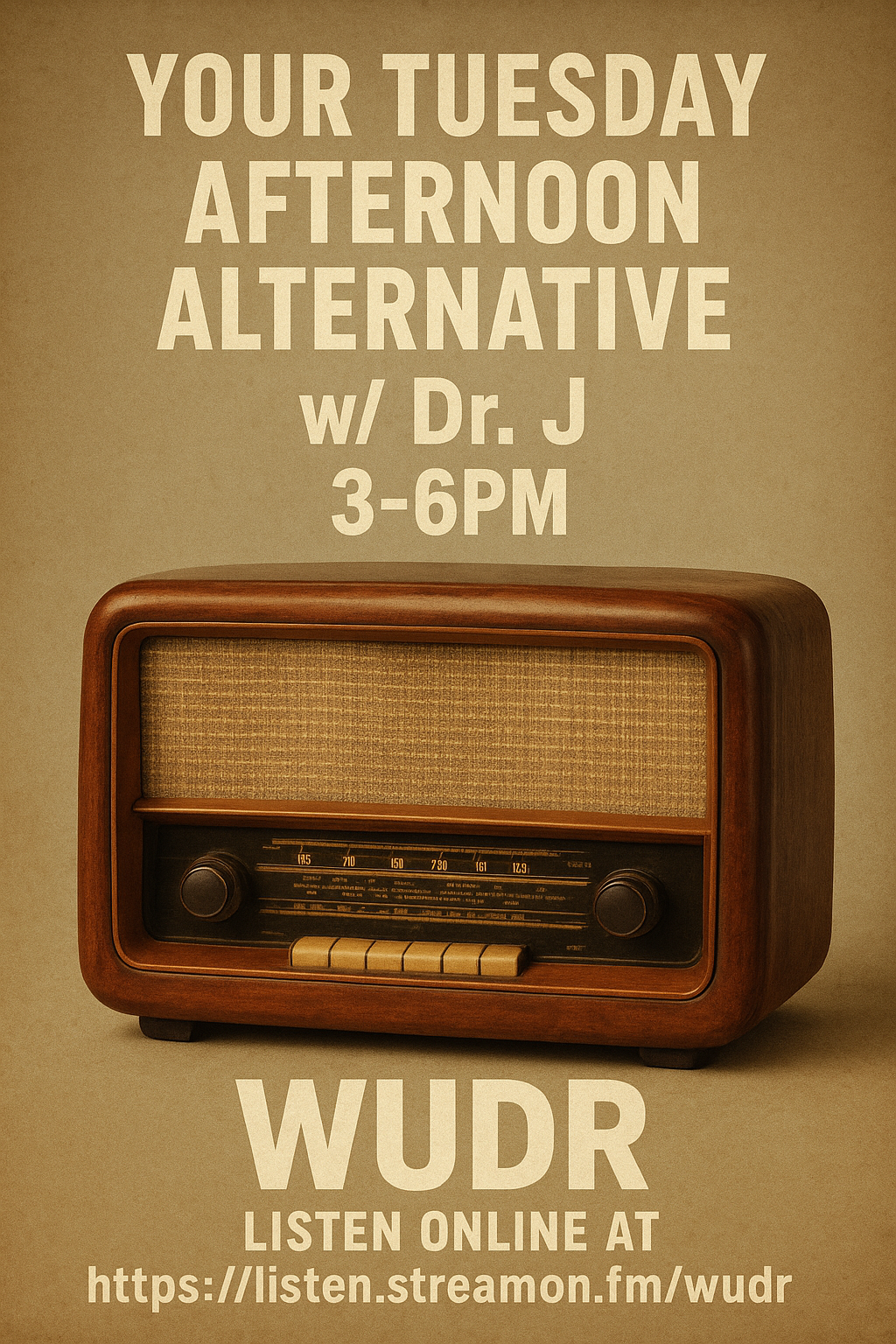
 your tuesday afternoon alternative