What is it that drives the feel in indie music?

Indie music unites us because it thrives on authenticity, creativity, and emotional honesty. Unlike heavily commercialized tracks, it often reflects personal stories, experimentation, and unique perspectives that feel relatable. Fans connect through shared emotions—heartbreak, joy, longing, or defiance—finding meaning in sounds and lyrics that resonate with their own lives. The community around indie music also matters: attending shows, sharing discoveries, and supporting artists fosters a sense of belonging, where people celebrate individuality while feeling part of something bigger.

The Beths’ Best Laid Plans exemplifies the power of rhythm and groove in creating an irresistible musical experience. At its core, the song is anchored by tight, punchy percussion and a driving bassline that create both energy and momentum. This rhythmic foundation gives the track a sense of forward motion, allowing the melody and vocals to shine while the listener is physically engaged—tapping toes, nodding heads, or even dancing along. The combination of percussive precision and melodic bass makes the song feel immediate and alive, illustrating how the “feel” of a song is just as important as its harmonic or lyrical content.

This attention to rhythm and groove is a hallmark of many artists across indie and alternative music. Tamar Berk, for instance, uses nuanced percussion to build layers of tension and release in her music, creating songs that feel both intimate and expansive. Bird Streets similarly blends melodic hooks with a driving rhythm section, demonstrating how bass and drums can define a track’s emotional pulse. Guided By Voices, with their lo-fi yet meticulously arranged recordings, often showcase how a tight rhythm section can make even a chaotic-sounding song feel cohesive and infectious. The Connells and The Cords similarly emphasize song craft, where the music propels the storytelling and emotional impact.

Meanwhile, vocalists like Kim Ware and her effort, The Good Graces, highlight the interplay between rhythm and vocal delivery. In Kim’s songs, the percussive drive and melodic bassline not only support the vocal narrative but enhance the emotional resonance, creating moments of release and catharsis that linger with the listener. Just as The Beths use rhythm to energize Best Laid Plans, these artists leverage bass and percussion to make the music physically and emotionally engaging, proving that the “feel” of a song—its groove, drive, and momentum—is a central component of its power.

Ultimately, what unites these artists is a deep understanding of how guitar, percussion, bass, and overall feel can transform a song from a static composition into a living, breathing experience. From The Beths’ infectious grooves to Bird Streets’ emotive rhythms, from Guided By Voices’ lo-fi magic to Kim Ware’s soulful pulse, these musicians remind us that feel, texture and rhythm are not just accompaniment—it’s a force that connects listeners, moves bodies, and conveys emotions that words alone cannot capture.

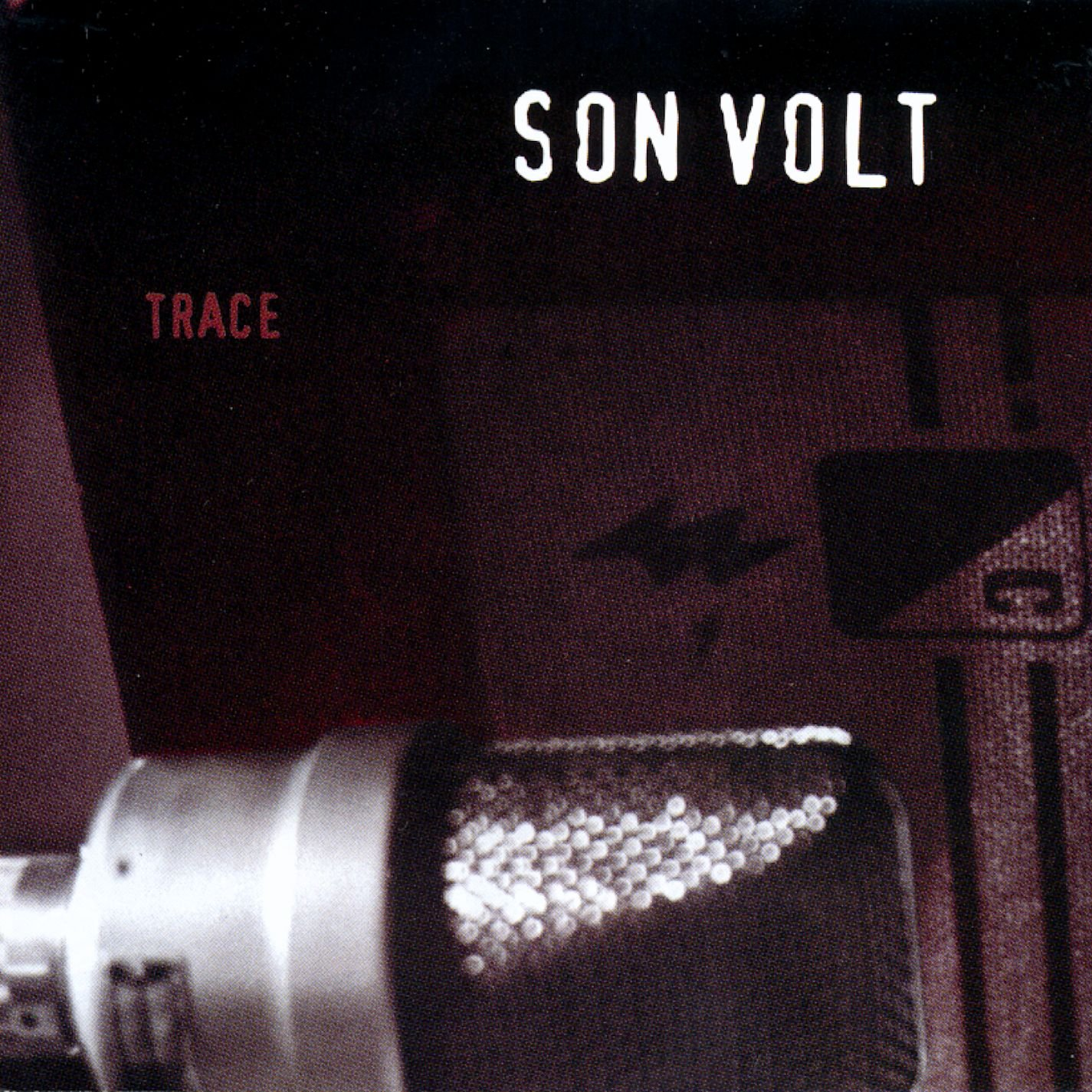
Dr. J’s take… The Brilliance of Trace—Son Volt’s Rusted Hymn to the Wreckage

The first time I heard Son Volt’s Trace, I thought, “Ah hell, here it is: Uncle Tupelo’s divorce decree, notarized on reel-to-reel, filed away in some Missouri courthouse basement where the plaster peels and the janitor drinks Falstaff or Bud Light out of a Styrofoam cup.” Jay Farrar stomps out of the wreckage, lugging his guitar like a busted-down jalopy radiator, and instead of screaming, he sighs, drawls, lets the words leak out slow like oil seeping into gravel. This isn’t rock and roll as firecracker catharsis; it’s rust-belt requiem. It’s the sound of gas stations going dark one by one on Route 66 and every half-drunk loner still praying the neon sign will flicker back to life.

See, Farrar isn’t interested in saving your soul or even giving you a hook to hum while you brush your teeth. He’s interested in reminding you that America has grit and grime, and the old idols, they are rotting.

Listen to “Windfall.” That harmonica doesn’t soar; it wheezes like your uncle’s lungs after three decades underground in coal mines. Yet it lifts you anyway, like catching a breeze on a road you know dead-ends in thirty miles. Farrar’s voice is carved from stone, immovable, half-asleep but never indifferent. He sings like he’s standing in the ruins of the sixties, looking around and muttering, “Guess this is what we’ve got left.” And dammit, what we’ve got left sounds gorgeous.

Trace isn’t alt-country. Alt-country is a marketing gimmick, an excuse for journalists to pretend they’ve discovered a new continent when really they’ve just found the same sad barstools Willie and Merle already angry because they don’t recognize the place. Trace is country with its skin peeled off, electrified and nailed to a telegraph pole. It’s Neil Young after the hangover, it’s Gram Parsons without the messiah complex. It’s the hum of America when the AM station fades out and all you’ve got is static—and suddenly the static is more moving than the song that was playing ever was.

Take “Drown.” Farrar growls it like a prophecy for people already underwater. The guitars crash like waves on cheap levees, the kind that always break. It’s furious and exhausted at the same time, the way you get when you’ve fought too long and realized the fight was fixed from the start. Then there’s “Tear Stained Eye,” where he asks if seeing a river run dry will make you start crying. Spoiler: it won’t. You’ll just stare and keep driving, and that numbness is exactly what Farrar’s documenting—he’s the archivist of our collective shrug.

But here’s the trick, the brilliance: instead of despair, Trace gives you dignity. The dignity of standing in a field that used to be a town, looking at the weeds grow through concrete and saying, “Okay, maybe this is freedom.” Farrar doesn’t want your hope. He wants your honesty. The honesty that says America’s dreams are boarded-up diners and broken jukeboxes, but inside those ruins, a few songs still rattle around like sacred relics.

And maybe that’s why Trace still matters. Because it’s not trying to sell you redemption. It’s not asking you to believe in the comeback of some mythic heartland. It’s just holding up the Polaroid of what’s gone and saying, “Here, take a look. Doesn’t it hurt beautifully?”

In the end, Trace is a ghost road record. It takes you down highways that don’t exist anymore, past radio towers that no longer transmit, through towns that can’t even hold onto their own zip codes. But by the time you get to the last track, you don’t feel lost. You feel found—because someone finally put into music that vague ache you’ve been hauling around, the one you thought was just your private sorrow. Turns out it’s everybody’s sorrow. And Jay Farrar, God bless his gravelly heart, sang it so we could all drive through it together.

The Need for Community and Indie Radio in 2025

In 2025, we’re plugged in, logged on, and supposedly “connected,” but more often than not, we’re trapped in algorithmic echo chambers, scrolling past everything that might actually challenge us or make us feel. Enter indie radio—the last refuge of the real, the unpolished, the alive. Stations that spotlight local bands, spin weird tracks nobody else dares touch, and actually talk to listeners remind us that music isn’t just noise—it’s a social act. Defiance, scored in sound – insurgent spirit.

Shows like ours, Your Tuesday Afternoon Alternative, prove that listening doesn’t have to be lonely. It can be messy, communal, even dangerous in its honesty. Indie radio is where discovery collides with conversation, where culture isn’t handed down in sterile corporate playlists but grown organically, like a basement jam session gone right.

And let’s be blunt: in a media landscape ruled by conglomerates, corporate homogenization, and the soulless chase for clicks, community radio is a lifeline. It champions voices that don’t fit the formula, celebrates the weird, the regional, the overlooked, and keeps local identity breathing while everything else flattens into sameness.

As the noise around us grows louder, the need for authentic closeness grows sharper. Indie radio reminds us that music is a shared experience, conversation is sacred, and community—built on passion, rebellion, and mutual respect—is not optional. It’s essential.