Last week, I wrote about albums that have a great first two-song combo. After thinking about that and sharing my thoughts, I was asked other than the start of an album, what else matters? What else leaves a lasting mark? Perhaps we could call it a musical bruise. And that led to thinking about the days when all music was released on vinyl. Side A and Side B each had a start and end. But the most definitive ending is the last song on a record.
The final song on an album holds a unique and important place, acting as the last note of a record’s journey and often shaping how listeners interpret the entire album. Where have we been? Where do we go now? Whether it’s a contemplative, quiet piece that allows the themes of the record to echo softly in the listener’s mind or a powerful anthem that closes the experience with a bang, the last track often serves as a reflection, summation, or even contradiction of what came before it (I feel that this happens often for several bands that I love, R.E.M., U2, and Uncle Tupelo to name a few that deeply matter to me). This closing moment can evoke a range of emotions: closure, anticipation, hope, or bittersweet melancholy. For many, a strong final track can define the entire listening experience, leaving a lasting impression that elevates the album from a collection of songs to a complete, resonant work of art.
Establishing Closure and Completeness

A thoughtfully chosen final track can make an album feel like a completed story, giving it a sense of narrative and emotional closure. Albums, particularly concept records, often unfold with a progression of emotions, themes, or stories, and a powerful last song can bring these to a satisfying conclusion. This role is especially crucial for artists aiming to take listeners on a journey, where the album acts as a cohesive unit rather than a series of disconnected songs. Ending an album with a song that reinforces the record’s primary themes or revisits earlier emotions can leave listeners feeling as though they’ve completed a meaningful journey, much like reaching the last chapter of a novel. Consider that the very last song that Uncle Tupelo put onto a record was ‘Steal the Crumbs’ on their brilliant masterpiece ‘Anodyne.’ It is crushing to me that the last echoes of ‘No more will I see you,” was a statement of intent from Jay Farrar to Jeff Tweedy. It is still hard for me to listen to that song today.
The last song can also play a vital role in underscoring an artist’s vision. If the rest of the album serves to establish a mood, a style, or a story, then the final track acts as the artist’s way of saying, “This is what I really want to leave you with.” It is the musical statement they want listeners to hold onto, an encapsulation of everything they poured into the album. The finality can be overpowering.
Examples of Powerful Final Tracks
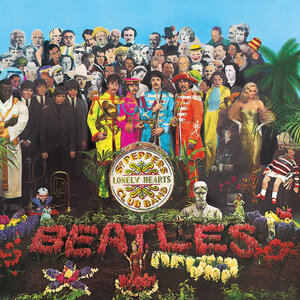
One standout example that is often discussed by those of us obsessed with music is “A Day in the Life” by The Beatles, the closing track of Sgt. Pepper’s Lonely Hearts Club Band. As a pioneering album in rock music history, Sgt. Pepper’s is an eclectic mix of sounds and styles that epitomizes The Beatles’ experimentation and innovation. The final track, “A Day in the Life,” is haunting and surreal, blending melancholy with a sense of curiosity and wonder. The song’s climactic, dissonant piano chord at the end creates a feeling of unresolved tension, inviting listeners to ponder its meaning long after the album is over. This impactful ending encapsulates the themes of discovery and mystery that pervade the album, making it feel timeless and open-ended.

Similarly, Radiohead’s OK Computer concludes with “The Tourist,” a slower, introspective track that contrasts with the chaotic energy of the rest of the album. OK Computer is known for its commentary on technology and alienation, exploring themes of existential anxiety and modern isolation. “The Tourist” stands apart from the album’s other songs in its simplicity, offering a moment of reflection that feels like a warning to “slow down” amid the dizzying pace of the digital age. The song’s restrained energy brings a reflective close to the album’s otherwise complex and unsettling journey, emphasizing its themes and leaving a deep impression.
Creating a Lasting Emotional Impact

Some final tracks are chosen to evoke powerful emotions, leaving listeners with an impression that will last beyond the music. For instance, David Bowie’s Blackstar closes with “I Can’t Give Everything Away.” This track, coming from Bowie’s final album before his death, is particularly poignant, dealing directly with themes of mortality, legacy, and departure. Bowie’s choice to end with this song feels like a farewell message, wrapping up his legendary career with a sense of grace and vulnerability. For listeners, the track is a heart-wrenching goodbye that gains even more weight within the context of Bowie’s life, allowing the album to transcend music and enter the realm of a personal, intimate farewell.

Nirvana’s In Utero, meanwhile, ends with the track “All Apologies.” The song reflects Kurt Cobain’s vulnerability and the conflicting emotions he experienced near the end of his life. It’s a bittersweet, haunting song that grapples with themes of forgiveness, regret, and identity. Given the rawness of In Utero, “All Apologies” acts as an understated yet emotionally charged conclusion. It’s a moment of both release and resignation, mirroring Cobain’s own inner conflicts. For listeners, it becomes a powerful closing note that brings a sense of poignancy to the album, especially in light of Cobain’s death just months after its release.
Offering Unexpected Twists
Sometimes, artists use the final track to surprise their audience, either by shifting the mood or presenting an unexpected style or message. This unpredictability can work as a memorable twist, leaving a lasting sense of intrigue. It changes the tone from the struggles explored in previous songs to pride and resilience, suggesting a sense of empowerment and identity that stays with the listener.

An example of an unexpected finale is the Arctic Monkeys’ “505” on their album Favourite Worst Nightmare. The song begins as a somber ballad but gradually builds into a soaring, intense climax. Its dynamic composition makes it feel like the album’s emotional pinnacle, one that explores themes of longing and nostalgia. “505” brings a sense of finality to the album but in a way that is both stirring and unpredictable, leaving listeners wanting more even as the music fades out.
Symbolism and Metaphor in Final Tracks
Artists also use the last track to imbue their album with metaphorical meaning, often turning the final moments into a symbolic experience. Pink Floyd’s The Wall famously ends with “Outside the Wall,” a soft, subdued song that contrasts with the bombastic nature of the album’s other tracks. As a conceptual record about isolation, rebellion, and self-destruction, The Wall reaches its emotional and narrative conclusion with this gentle, understated track. The song leaves listeners reflecting on the album’s themes with a mixture of sorrow and acceptance, making it an introspective and symbolic end to the epic story. Maybe it is a final track that can hint at continuity or invite speculation about future works.
The Final Song as a Reflection of the Album’s Themes
In many ways, the last song is the album’s most potent moment because it holds the power to tie all the preceding themes together in one emotional conclusion. The choice of final track is rarely arbitrary; it often holds the most weight and meaning. Whether it offers a moment of silence, explosive energy, quiet reflection, or unrestrained vulnerability, the final song gives shape and substance to the album, helping listeners make sense of the music as a whole.
In short, a powerful last track is not just the end of an album—it’s the parting message, the last look back, and the final chance to leave listeners with something unforgettable. When done well, it can transform the album into a cohesive, resonant work that remains with listeners long after the music has ended.

 your tuesday afternoon alternative