
In 2025, twin sisters Katie and Allison Crutchfield re-emerged in a manner few anticipated: not as members of a reformed punk band, but as collaborators on a new project called Snocaps. That reunion — their first musical partnership since their former band P.S. Eliot broke up in 2011 — signifies more than just nostalgia. It feels like a reconciliation of two distinct yet complementary musical sensibilities: Katie’s reflective Americana-influenced songwriting (familiar from Waxahatchee) and Allison’s sharper, hook-filled indie-rock instincts (from Swearin’). The result — the self-titled debut album Snocaps — is timely, heartfelt, and full of promise.
What makes this record especially compelling is that it doesn’t just rehash old chemistry. Instead, it showcases seasoned musicians playing with honesty, restraint, and an unexpected sense of freedom: the freedom to create music on their own terms, unburdened by expectations or commercial pressures. This essay examines the unique strengths of Katie and Allison — both individually and together — the role of their collaborators (notably MJ Lenderman and Brad Cook), and how Snocaps stands as a testament to their growth, creative synergy, and lasting relevance.
Katie Crutchfield: Americana roots, emotional clarity, evolving maturity
Katie Crutchfield has spent the past decade establishing herself as a compelling voice in indie rock, especially through Waxahatchee. Her songwriting typically centers on emotional honesty, rooted in real-life experiences, memory, love, regret, and self-discovery. On Snocaps, those qualities are very much present — but there’s also a heightened sense of reflection and acceptance, as if she’s writing not just from memory but from hindsight.
Tracks like “Wasteland” and “Doom” showcase this evolution. On “Wasteland,” Katie delivers alt-country grit and a sparse sense of solitude: the song explores themes of self-awareness, guilt, and longing. Meanwhile, “Doom” becomes a slow-burning reflection on fractured relationships and emotional burden — a gothic, folk-influenced breakup song where her voice conveys both resignation and defiance.
What’s remarkable is how she uses simplicity to maximize impact. Rather than relying on overly ornate arrangements, Katie often leaves space — a sparse guitar, a steady rhythm, a quiet harmonic — so her lyrics and voice can hold the listener’s attention. That restraint makes the emotional beats hit harder; you hear every inflection, hesitation, and sigh of regret or longing.
On Snocaps, there’s also a sense of emotional clarity and self-acceptance. These songs don’t fix everything — but they acknowledge pain, longing, and change without flinching. In that sense, Katie’s contribution feels mature, grounded, and painfully human.
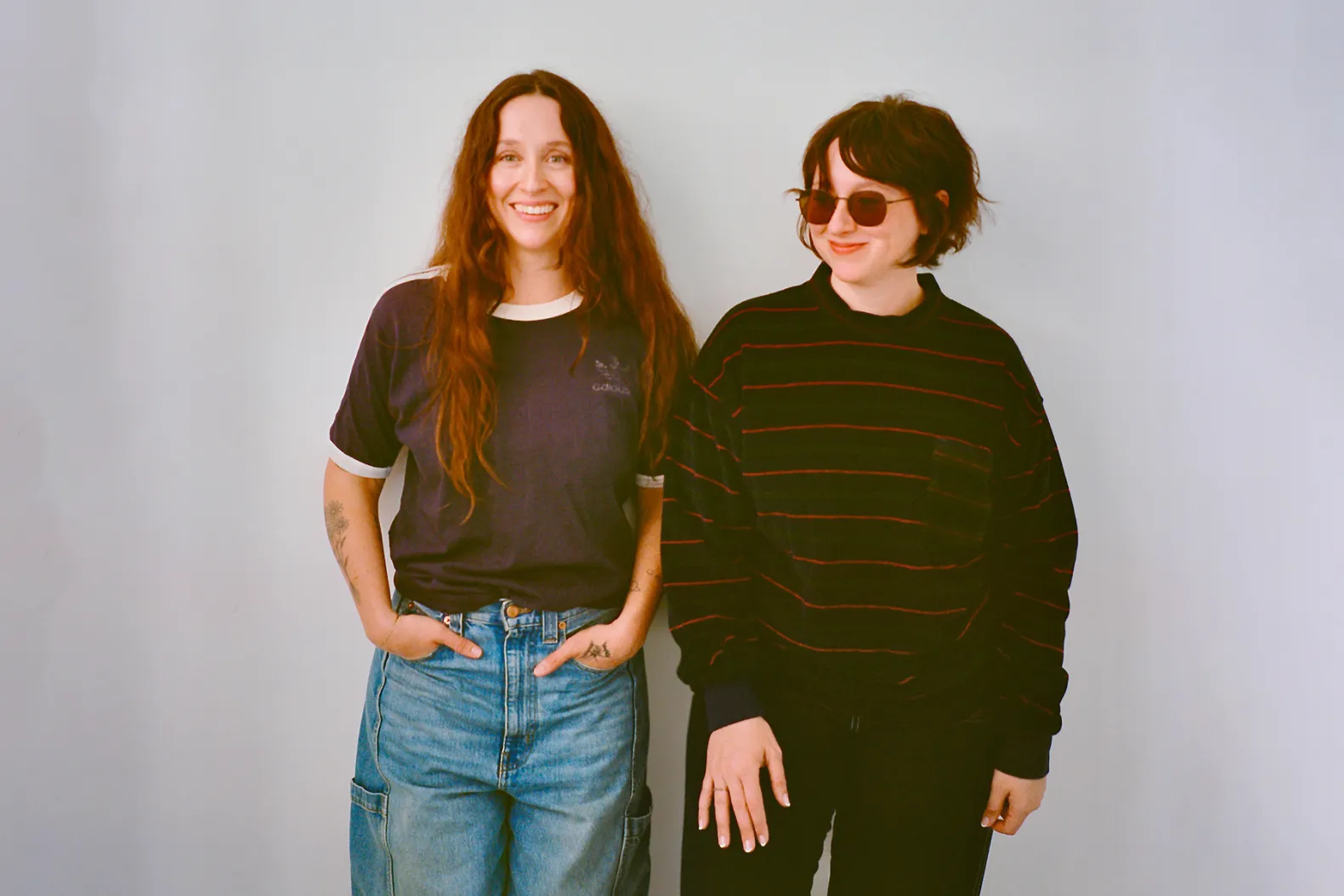
Allison Crutchfield: hooks, energy, and a return with sharpened instincts
Allison Crutchfield has long been celebrated for her talent for catchy, guitar-driven hooks, a sharp indie-rock sensibility, and straightforward lyrics. With Swearin’, she built a reputation for raw, energetic songs. On Snocaps, she comes back with some of her most powerful and urgent material yet.
Her tracks on Snocaps — including “Heathcliff,” “Over Our Heads,” “You In Rehab,” and “Avalanche” — showcase her talent for melody and momentum. The album sometimes gains speed, urgency, and even a hint of recklessness: a fresh contrast to Katie’s more reflective moments. As one review mentions, songs like “Over Our Heads” move quickly, blending sharply crafted hooks with a laid-back, slacker-rock feel that keeps the music both well-structured and effortlessly loose.
Take “Heathcliff”: jangly guitars, picked bass, and a hook that seems to grow stronger with every listen — it evokes echoes of earlier indie-rock favorites while carving out new territory. And “You In Rehab,” alternately gritty and tender, carries a raw emotional weight: lyrics about recovery, regret, and ambiguous hope, delivered with heartfelt sincerity.
What’s impressive is how strong Allison sounds here: not as a nostalgia act returning to her former glories, but as an artist who has evolved, refined, and matured. Her vocals cut through clearly, the guitar hooks feel immediate, and the arrangements—whether fast or slow—all seem purposeful. Snocaps proves she’s lost none of her edge—and perhaps has gained a bit more clarity in her aim.

Together: complementary strengths, revived sister synergy, and a joint vision
If Katie brings introspection and emotional weight, and Allison brings energy and melodic drive — together, they create a balance that feels surprisingly natural, even after 14 years apart. As some critics note, the record feels like “a throwback and a vision of two brilliant songwriters in the here and now.”
Their vocal interplay — along with alternating songwriting credits — adds diversity and emotional depth to the album. Katie’s softer, more atmospheric songs sit beside Allison’s edgier rockers; together, they weave a tapestry of moods: from regret, longing, and reflection to restlessness, defiance, and passion. This variety keeps the album lively: it features no single tone or message but a chorus of lived experiences, emotions, and memories.
The fact that Snocaps was recorded in a burst — the sessions reportedly completed in a matter of days — adds to its rawness and honesty. The sisters described the project as a way to reconnect with the earliest, purest versions of their music-making selves — and you can hear that in the looseness, spontaneity, and emotional immediacy of many songs.
In some ways, the album operates like a conversation between two people with shared history but divergent paths — two versions of self, reunited. The result is both familiar and new: siblings making music again, but with years of growth, distance, and experience behind them.
The role of collaborators: building texture, grounding raw ideas, enriching musical depth
While Katie and Allison are the heart of Snocaps, the contributions of their collaborators — particularly MJ Lenderman and Brad Cook — are essential to what makes the record work so well.
The project features veteran musician-producer Brad Cook, who produced and engineered the record and also played instruments. His involvement ensures the album stays cohesive despite the varied voices and styles; he helps craft a sound that feels unified, intentional, and warm rather than scattered or inconsistent.

Then there’s MJ Lenderman: a multi-instrumentalist, guitarist, and drummer who plays on many tracks. His guitar work—electric, 12-string, atmospheric or gritty—adds depth, texture, and sometimes a rough edge that balances the emotional weight of the Crutchfields’ voices. In songs known for their melancholic or intense emotional content, his instrumentation often frames the song to amplify its impact rather than overshadow it.
This minimal guitar-bass-drums setup gives Snocaps a raw, intimate feel. There’s no unnecessary decoration; everything — from instrumentation to vocal delivery to production — feels intentional, genuine, and rooted. The result resembles a living room recording transformed through careful yet subtle craftsmanship: authentic, imperfect, and deeply personal.
In a musical moment often driven by maximal production and glossy polish, that restraint feels refreshing. It’s a reminder that sometimes the most resonant art comes from simplicity, collaboration, and genuine connection.
Lyrical themes and emotional resonance: nostalgia, growth, regret, resilience
One of the most compelling aspects of Snocaps lies in its lyrical honesty. The album treads familiar emotional territory — relationships, regret, addiction or recovery, longing, identity, roots — but does so with nuance and maturity. The years between P.S. Eliot and now show: these are not songs written in youth’s raw vulnerability, but with the awareness and reflection age brings.
For example:
- On “You In Rehab,” Allison confronts the messiness of recovery and personal breakdown: regret, gratitude, and cautious hope co-exist in the lyrics.
- In “Over Our Heads,” there is a sense of displacement and longing — a reflection on leaving hometowns or previous selves behind: “no hometown, no home state anymore.” That ache feels real, lived, universal.
- Katie’s “Doom” brings out themes of disillusionment and heartbreak, exploring the weight of memory and the difficulty of moving forward without erasing the past.
- In lighter moments — albeit tinged with bittersweetness — the songs deal with nostalgia, dreams, and the tension between youthful ambition and adult reality. The tracklist’s sequencing balances heavier songs with ones that have a glimmer of hope or wistful acceptance.
Throughout it all, the lyrical voice is understated but very emotional, exploring longing, regret, desire, and a stubborn kind of resilience. The recurring image of movement — roads, cars, leaving, returning — acts as a metaphor for inner journeys: navigating memory, home, identity, and growth.
In that sense, Snocaps doesn’t offer closure or easy answers. Instead, it offers accompaniment: a companion through uncertainty, regret, and hope. It’s less about fixing things than acknowledging them — and surviving.
Why Snocaps matters — for fans, for the sisters, for indie rock
Snocaps arrives at a moment when much music can feel calculated: long lead-ups, social-media-heavy rollouts, marketing, and image crafting. The fact that this album was released as a surprise — with no big campaign and no elaborate preamble — feels like a statement in itself. It’s an album made out of love, for sisterhood, for music.
For longtime fans of Katie and Allison — and their early band P.S. Eliot — this reunion is a welcome sight. But beyond nostalgia, Snocaps shows growth. It’s a reminder that time changes artists but doesn’t necessarily dull their voices. In fact, it can make them sharper.
For the broader indie-rock scene, Snocaps stands out as a subtle yet powerful example of what happens when experienced artists collaborate without pressure, allowing music to flow naturally, embracing imperfection, and prioritizing emotion over production polish. The album combines indie-rock hooks, Americana introspection, and raw honesty in a way that feels meaningful to listeners seeking authenticity and emotional depth.
Finally — for Katie and Allison themselves — Snocaps might be a one-off, but it feels like a reopening of a conversation: with each other, with their past, with their musical selves. It’s a moment of reckoning, reconciliation, and renewal — and it’s done with grace, restraint, and love.
Conclusion: The Crutchfields, reunited — and the power of making music on your own terms
In the whirlwind of 2025’s music scene — with flashy releases, social media buzz, and polished production — Snocaps arrives quiet, unassuming, and yet quietly insistence: this is music made for feeling, not for trending. It’s a record that trusts listener patience, emotional depth, and the power of simple instrumentals to carry weight. It’s flawed, honest, alive.
Katie Crutchfield brings her soul — subtle, wounded, hopeful. Allison Crutchfield brings her edge — sharp hooks, restless energy, unfiltered emotion. Together, their voices, histories, and instincts blend into something that feels both like a reunion and a reinvention. Adding collaborators like MJ Lenderman and Brad Cook — who contribute with taste, restraint, and shared history — results in an album that seems born out of necessity: a need to reconnect, to create, to speak.
Snocaps is more than just a project or a band. It’s a moment: a brief window into what happens when two talented siblings reclaim their story, their music, and their shared past — and turn it into something new. If you listen with your heart, you’ll hear history, honesty, and hope woven into jangly guitars, melancholic melodies, and voices that understand loss, healing, and resilience.
So if you’ve been waiting for something real, something personal, something without pretense? Snocaps is more than worth your time.

 your tuesday afternoon alternative