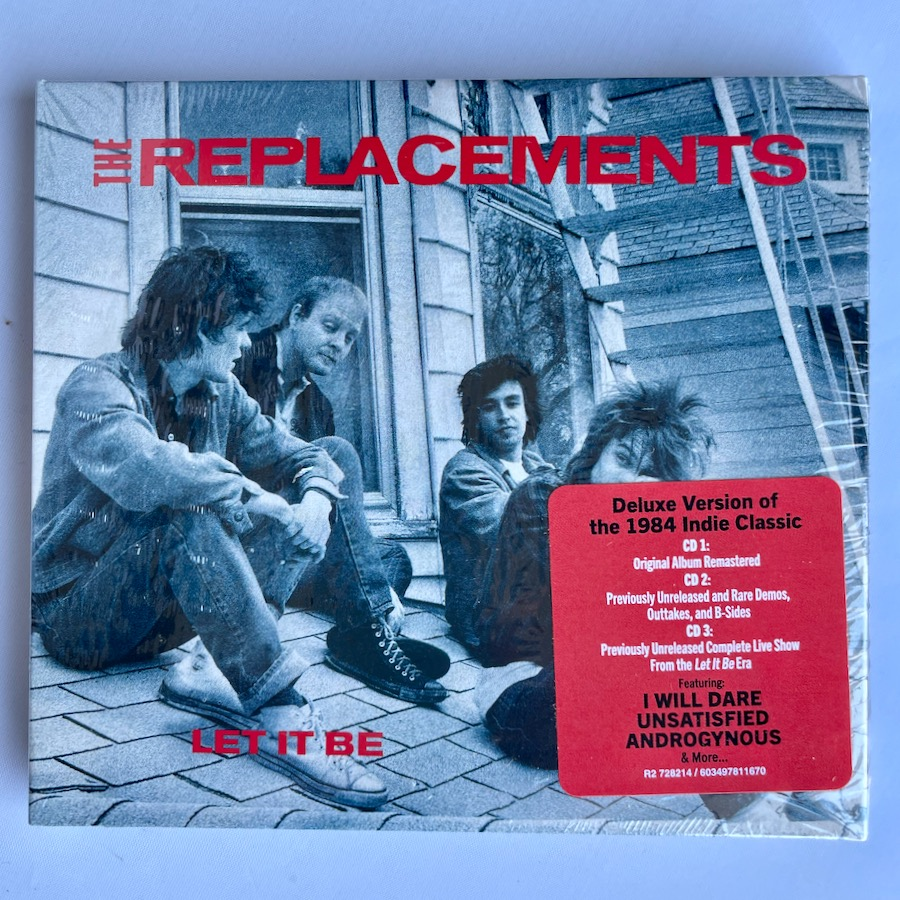
It’s one of those things that should never have happened. A scruffy, half-broken underdog band from Minneapolis — ragged, defiant, often self-sabotaging — getting the deluxe archival treatment usually reserved for polished legends, for “classic rock” cathedrals. Yet here we are: 2025, and Rhino Records (a part of Warner Music Group) has dusted off Let It Be, remixed, remastered, reboxed, expanded — and in doing so given the world a second chance to see the bruised poetry of the original 1984 record in high fidelity.
The fact that The Replacements are getting this kind of attention now — decades after their original flame flickered out — is almost absurd. And yet that absurdity is perfect. Because Let It Be was never meant to be smooth. It was meant to hurt, to stumble, to scream. The Deluxe Edition doesn’t try to smooth those edges — it highlights them, reminding us why this band never fit neatly into the mainstream, and why that’s exactly why they mattered.
The Skeletons & the Heart — An Album Understood
Originally released in 1984 via the indie label Twin/Tone Records, Let It Be was a moment of clarity for The Replacements: a record of transition, of longing, of half-formed innocence battered against a rock & roll dream.
The 2025 Deluxe Edition gives us disc one: the remastered original album — eleven songs that remain as vivid, ragged, and vital as ever. Then comes the rarities — alternate versions, outtakes, home demos — and a full 28-song live set from March 1984 at the Cubby Bear in Chicago.
This isn’t a rehydrated corpse. It’s a beating heart, reconnected. It’s the band as they were — flawed, sprawling, incomplete — presented again not as “heritage,” but as rock & roll living in the cracks between hope and chaos.

Track by Track: The Skin & Bones of Youth
Think about “I Will Dare” — opener of the album and a dare in itself. That fuzz-ed cardinal riff, the off-kilter swagger, Paul Westerberg’s voice like it’s scraping against the point of a razor. The 2025 remaster gives the guitars more room to breathe; you hear the strings buzz, the drum skins snap, and every syllable of “dare” tastes like adrenaline. It lands like a punch in the gut — and that’s exactly the point.
Then there’s “Favorite Thing,” where the punk cheek turns into something almost tender. A strange, shimmering melody over brittle chords, a voice struggling between affection and alienation: “I just don’t know what to do.” On the original vinyl you heard the ghosts of cheap amps and cigarette smoke; on this remaster you hear the humanity underneath.
“We’re Comin’ Out,” “Tommy Gets His Tonsils Out,” “Black Diamond” — all of them jittery, half-formed attempts at grandeur, teenage longing, and adolescent confusion. But the album’s heart lives in songs like “Androgynous” and “Unsatisfied.”
“Androgynous”: one of the few rock songs in history that wears its empathy on its sleeve without collapsing into sanctimony. A melody that aches, lyrics that don’t posture — and in 2025, the alternate version restores a full piano intro, a different vocal take: a softer, more haunted Replacements, vulnerable but unpretentious. 
“Unsatisfied”: bitter, ragged, full of longing. Westerberg’s voice cracks, the rhythm stutters, the world trembles. On this remaster, the grit is there, but so is the clarity — the bass-line you never heard before, the snare drum’s tiny echo, the breath between words. It’s like seeing an old scar under better light — you cringe, but you also understand how it shaped the person.
Songs like “Answering Machine” — small, shy, off-kilter — make you feel the quiet desperation of isolation, of trying to connect and hearing nothing but static. On this remaster, those staticky edges sharpen; the loneliness doesn’t sound like a studio effect anymore, it sounds like the room you’re in after the lights go out.
Listening to Let It Be, side to side, track after track, is like rummaging through someone’s teenage bedroom: posters peeling off drywall, cigarettes half-smoked in an ashtray, dreams scribbled over notebook margins. It doesn’t sound like “great production.” It sounds like truth.
Why Let It Be Was Always Too Big for Its Boots — and Yet Never Big Enough
The Replacements were never built for the spotlight. They were too ragged around the edges, too self-aware, too… real. And by “real” I mean “full of contradictions.” They wanted fame, but they didn’t want the shackles that come with it. They chased rebellion, but they also had voices cracked open by longing. They wrote love songs when they barely knew how to keep their own lives together.
By the time they were capable of being “bigger,” self-destruction and disillusionment had already set in. The guitarist whose shards of noise cut through Let It Be — Bob Stinson — drifted away soon after. Addiction, inner demons, burnout: the usual rock mythology that turns alive bands into ghost stories. 
It’s improbable that a band like The Replacements would ever get a deluxe archival box. It’s even more improbable we’d get one in 2025 — a time when nostalgia usually means safe, stable comfort records. But part of what makes this remaster so thrilling is that it refuses comfort. It resurrects the mess. It preserves the fractures. It honors the band not as legends, but as poets of sloppiness, heartbreak, and restless hope.
That’s why this reissue is more than just for longtime fans. It’s for anyone who ever felt like an outsider, anyone who ever saw beauty in chaos, anyone who ever listened to music and found pieces of themselves in the distortion.
What the 2025 Deluxe Edition Actually Adds — the Blood Under the Skin
Thanks to Rhino’s box, we now have a wealth of previously inaccessible material: alternate takes of “Gary’s Got a Boner,” “Favorite Thing,” a restored alternate of “Androgynous,” unreleased outtakes like “Who’s Gonna Take Us Alive” and “Street Girl,” home demos, and more. 

But perhaps the jewel in the set is the 28-song live set from March 1984 at the Cubby Bear, Chicago. A crowd-sourced tape, long buried in obscurity, now remastered and set free. On this live set you hear the band thrashing through not just Let It Be material, but older punk-raw cuts, covers of The Beach Boys, Bad Company, and the kind of sweaty, ragged, near-chaotic energy that only a band on the edge can deliver.
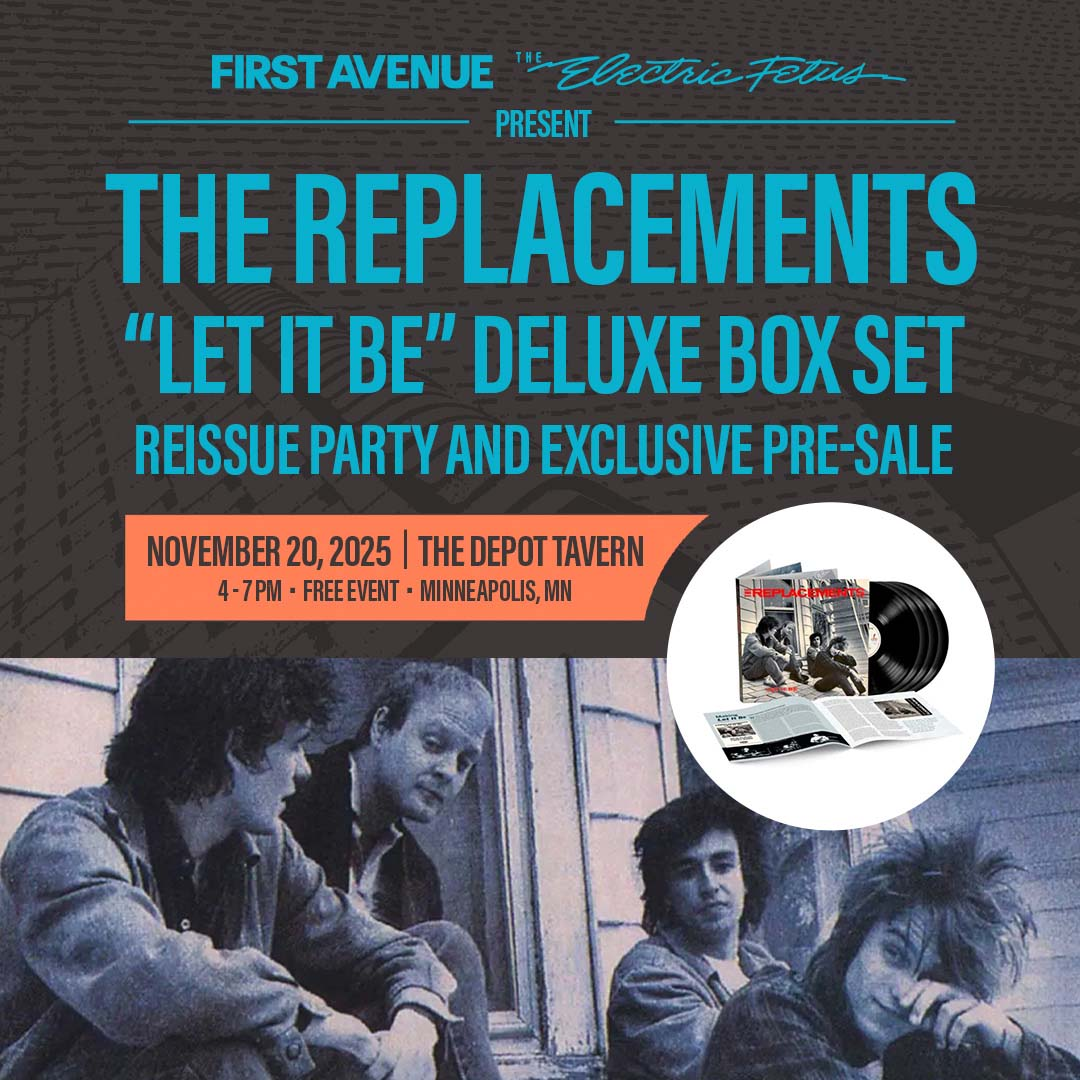
Rhino.com will also offer an exclusive bonus 10-inch vinyl release, Live at City Garden. Bundled with the vinyl edition and a T-shirt, this six-song soundboard recording was captured at the legendary Trenton, New Jersey, punk club on February 11, 1984. Highlights of the live EP include a rare performance of the ballad “You’re Getting Married,” played at the request of the band’s original manager and Twin/Tone co-founder Peter Jesperson, who also co-produced both the original Let It Be and the new deluxe edition. That track is a small, strange flower growing out of the concrete of punk rock — gentle, awkward, and deeply human.
These extras don’t feel like padding. They feel like excavation. They don’t try to mythologize the band — they just show: this was real. This was messy. This was alive.
For Fans & The Uninitiated — Two Doors to the Same Room
If you’ve loved The Replacements for decades, this Deluxe Edition is catharsis. It’s memory, resurrection, vindication. It’s turning the lights back on in a room you once lived in — seeing every cigarette burn mark on the table, the scratched vinyls leaning against the wall, the ghost of teenage hope in the corner.
If you’re new to The Replacements — maybe you grew up after the vinyl era, maybe your Spotify algorithm just nudged you — Let It Be (2025 Deluxe Edition) is a perfect entry point. The remaster cleans — but doesn’t polish — the sound. It clarifies, but doesn’t sterilize. And the expanded material draws out the band’s contradictions: tender yet abrasive, sloppy yet sincere, desperate yet hopeful.
In a moment where rock & roll sometimes feels like it’s been shoved into a nostalgia museum — safe, curated, predictable — this reissue punches through: real ragged edges, real emotion, real imperfection. It reminds you that rock was once a refuge for freaks, for outsiders, for the restless.
What Could’ve Been — And Why It Still Means Something
It’s almost uncanny: listening to Let It Be now, you can hear the potential of a much bigger future. Songs like “I Will Dare” and “Androgynous” aren’t just artifacts of mid-80s indie; you half expect them to echo off arenas, to lay foundations for generations. The Replacements had the songwriting, the heart, the courage — and at times, it sounds like they had the will for greatness.
But rock & roll doesn’t reward sincerity if the band can’t survive themselves. Bob Stinson’s drift, the instability, the lack of polish — all of that doomed them from riding their own wave. And in retrospect, that’s part of the charm. Let It Be feels like the greatest nearly-album the 1980s never let bloom fully.
The 2025 Deluxe Edition doesn’t rewrite that history. It doesn’t pretend the band got what they deserved. What it does is more courageous: it says, “Here is who they were. Here is what they felt. Here is the wreckage — and the beauty.” For anyone willing to peer into the wreckage, there’s a kind of redemption there.
A Final Salvo: Why Let It Be (2025) Matters
There’s a moment in the history of rock & roll when everything cracked wide open, when the neat boxes called “punk,” “indie,” “pop” blurred into something messy and human. The Replacements were among the first to do it — not by design, but by desperation, by honesty, by the stubborn belief that rock didn’t need to be polished to matter. Let It Be wasn’t just an album: it was a middle finger to complacency, a howl in the concrete night, a slag-heap love letter to the lonely.
In 2025, to give that album a deluxe reissue — remastered, expanded, recontextualized — is to say that those guttural screams, those jangly chords, those messy homespun ballads still matter. It’s a statement: that rock need not be perfect to be perfect. That pain, longing, chaos, longing, and heartbreak deserve clarity, not gloss.
If you’ve never heard The Replacements — or if all you know are legends and hearsay — this version of Let It Be is a gift. Not because it’s pretty, but because it’s honest. Not because it’s comfortable, but because it’s real.
So press play. Let the guitars crack. Let the drums rattle. Let the voices ache. Because the room is dark — and once you open the door, you might never want to leave.




 your tuesday afternoon alternative