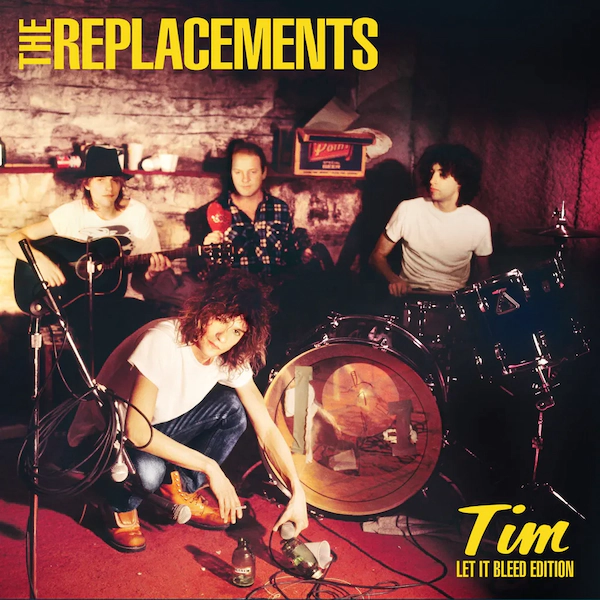
The Replacements’ 1985 masterpiece, “Tim,” has long been celebrated as a cornerstone of alternative rock history. With its timeless blend of punk energy and heart-wrenching ballads, the original album left an indelible mark on the music landscape. However, the production of ‘Tim’ has since its release been a subject of debate. While the original mix captured the power of the band, there was simply a lot of detail that was lost in an odd choice of mono-focused production and lo-fi-like aesthetic.
Now, in 2023, we’re treated to “Tim Let it Bleed Edition,” a reissue that not only pays homage to the original but adds a raw, unfiltered layer that deepens the emotional resonance of the record. Although nothing new was added to the remixed tracks by Ed Stasium, what is different is that we all can now clearly hear what the band was doing.
This “Let it Bleed Edition” is more than just a reissue; it’s a journey back in time. The original tracks, from the borderline reckless “Bastards of Young” to the devasting and powerful “Little Mascara” to the poignant “Swingin Party,” are as impactful as ever, maybe even more so because from the vocals to the guitars, bass, and drums listeners can find the detail that was simply buried. Westerberg’s voice is even more fragile and vulnerable yet cheeky and tough in an “I don’t need your validation and approval” way. The Replacements’ signature blend of rebellion and vulnerability shines through, capturing the essence of youthful angst and uncertainty.

Bob Stinson’s guitar parts shine in this remixed record with a power, finesse, and movement that was lost in the mono aesthetic of the original. There are parts and aspects to his playing that were simply lost. The phasing and shifting of Stinson’s movement was far more than assumed whether he was playing a silly rocker (“Lay It Down Clown,” “Dose of Thunder”) or a serious reflection on life’s challenges (“Little Mascara,” “Bastards of Young”). Bob Stinson was a great guitar player who was far more sophisticated and expressive than the original mix concealed.
“Little Mascara” in particular becomes more powerful lyrically and sonically with this remix. The song’s impact becomes inescapable. The sense of anomie, frustration, and entrapment of the narrative escalates to feel almost suffocating. This version is mind-blowing in part because it brims with a collusion between chaos and sentiment. A spectacular song that is fully realized in this new version of the album.
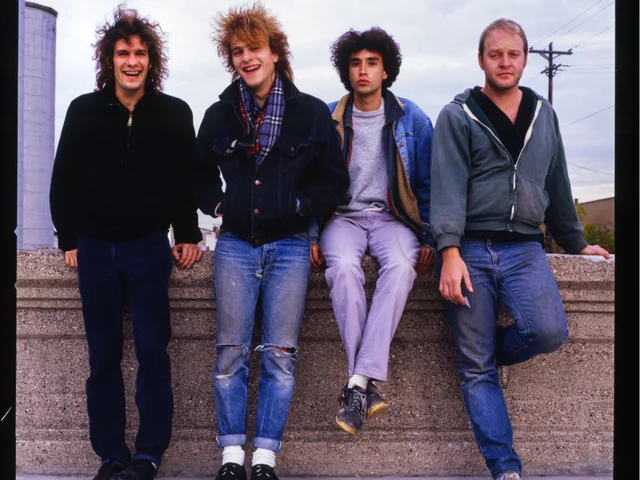
Also long overdue is the reflection and realization of what an incredible bass player, Tommy Stinson was at the tender age of 18 when the album was recorded. Stinson’s bass parts demonstrate a strength, speed, dexterity, and maturity on his instrument that is shocking. To say he is a damn fine bass player feels like an understatement. The Stasium remix reveals some of the finest bass runs and progressions in contemporary rock and roll. These are now clear and convincing in this version of the record.
“Here Comes a Regular” changed greatly in the new mix. That song morphed from a wistful song to a deeply melancholic almost melodramatic tune. The clarity of the vocals now does not allow a listener to hide from the sadness. That heavy emotional pain is far too real now, inescapable. It feels punishing and unbearable in a way that the original mix did not.
What truly sets this edition apart is the inclusion of previously unreleased live recordings and studio outtakes. The live tracks transport you to the sweaty, beer-soaked clubs of the ’80s, where The Replacements were at their most electrifying. Songs like “Hold My Life” and “Kiss Me on the Bus” gain a new vitality when performed in front of an eager crowd.
Drums can make or break the sound of a record. And Chris Mars was done a serious disservice with the original mixing. In the new mix, Mars has a feel, sway, and rhythm that was made mushy and soft but is now revealed to be anything but that. Wow, Mars’ drumming had some swing that was buried in the approach of the first record.

The studio outtakes, on the other hand, reveal the band’s creative process in all its messy glory. The rawness and imperfections in these unreleased gems provide a fascinating insight into The Replacements’ genius. “Waitress in the Sky (Alt Version)” showcases Paul Westerberg’s unmistakable wit, while “Here Comes a Regular (Demo)” strips the song down to its bare emotional bones, offering a more intimate connection with the band’s songwriting process.
‘Tim Let it Bleed Edition’ may not be a radical reinterpretation of the original, but it doesn’t need to be. The uncovering and clarity that is provided on the remix is like receiving the record for the first time. Nothing has been added because it was all already there just waiting to be discovered. Instead of reframing, this remix is a heartfelt tribute to a classic album, a love letter to a band that forever altered the course of alternative rock and indie. This reissue is a must-listen for die-hard fans and a perfect entry point for those who have yet to discover The Replacements’ timeless sound.
One is left to wonder if The Replacements would have achieved far more had Sire Records released this version of the record? While, this author, loves “Let It Be” and I still believe “Pleased to Meet Me” is damn near perfect — this version demonstrates the band was so much more than what was assumed. So much of what they could do was buried, hidden from the listener. Would The Replacements have then met Sire Records’ expectations in terms of sales? Certainly, the band created a powerful impression even with the mono aesthetic of the original production.
In the end, ‘Tim Let it Bleed Edition’ serves as a testament to the enduring power of The Replacements’ music. It’s a reminder that even decades later, their songs still resonate with the same raw energy and emotional honesty that made them legends in the first place. This edition may have “Let it Bleed” in the title, but it’s the heart and soul of The Replacements that truly bleed through every note.

 your tuesday afternoon alternative