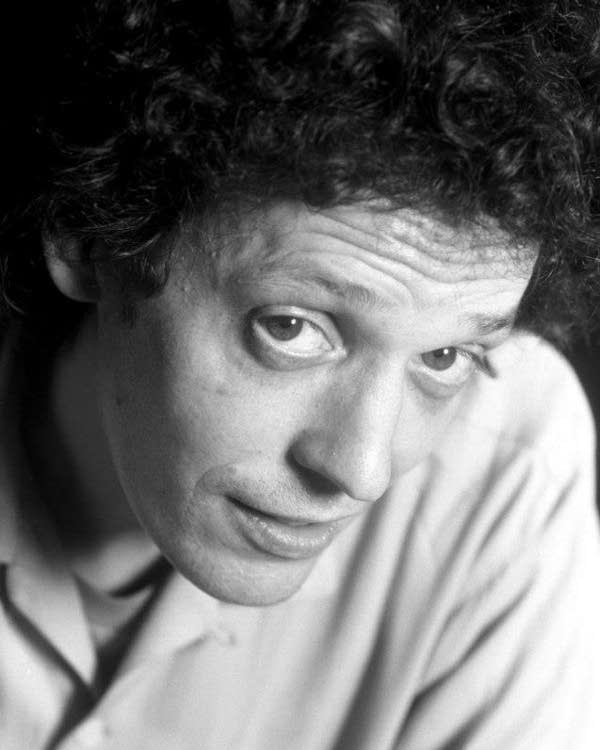
In alternative rock, few figures have had the understated yet deeply impactful legacy Slim Dunlap left behind. As a guitarist for The Replacements after Bob Stinson, Slim didn’t just play music—he shaped it in a way that resonates to this day, even though he remained a somewhat enigmatic figure throughout his life. On the surface, Slim Dunlap might not have been the flashiest or the most publicly celebrated member of the band, but the impact he had on the Minneapolis scene, indie rock, and countless fans around the world is undeniable.
Born on August 14, 1951, in Plainview, Minnesota, Robert “Slim” Dunlap was far from an obvious choice to become a member of one of the most influential bands in American rock history (Yup, I am prepared to die on that hill). But when he was recruited by The Replacements in 1987 to replace founding guitarist Bob Stinson, the band had already passed through several distinct phases. At that point, the group had moved beyond their punk rock origins, beginning to experiment with more expansive sounds and complex emotional undercurrents. They were on the cusp of achieving something bigger, and Slim Dunlap was a missing piece they needed.
The Replacements and the Arrival of Slim Dunlap
Before Dunlap’s arrival, The Replacements were known for their chaotic, often self-destructive live shows and their raw, raucous recordings. Their earlier albums like Sorry Ma, Forgot to Take Out the Trash (1981) and Hootenanny (1983) captured the brash spirit of the early 80s indie scene—songs that were loud, fast, and fueled by youthful defiance. Yet, as the band matured, their sound began to evolve, influenced by a more nuanced approach to songwriting that incorporated elements of rock, folk, country, and pop.
By the time they were recording Pleased to Meet Me (1987), The Replacements were at a crossroads. Bob Stinson, the band’s original guitarist, had been dismissed due to his erratic behavior and substance abuse issues in a far less kind way than he deserved and the band required a stable, skilled guitarist to match their new, evolving direction. That’s when Slim Dunlap entered the picture.
Slim was a seasoned musician with experience in various bands around Minneapolis, most notably playing with Curtiss A, the Rythmaires, Thumbs Up, and offshoot project called Spooks. Dunlap often played with groups as an uncredited journeyman guitar player. He wasn’t a flashy virtuoso but a guitarist who understood how to serve the song. His style was one that was inherently rock ‘n’ roll but was also imbued with a level of restraint that made him an ideal fit for the band’s new sound.
Dunlap’s arrival marked the beginning of a new era for The Replacements. While Pleased to Meet Me was the only Replacements record recorded as a trio of Paul Westerberg, Tommy Stinson, and Chris Mars. Dunlap joined the band shortly after the recording was completed. Although he did not play on PTMM, on tour Slim’s guitar playing shone through in songs like “Alex Chilton,” a tribute to the legendary Big Star frontman, and “Can’t Hardly Wait,” where his melodic sensibility perfectly complemented Paul Westerberg’s aching, almost fragile vocals. What was remarkable about Dunlap was that he didn’t try to outshine anyone; rather, he played in service of the song, knowing exactly when to add a tasteful lick or when to let the space breathe. In doing so, he became an indispensable part of the band’s musical journey.
While Pleased to Meet Me is often regarded as one of The Replacements’ finest works, it’s worth noting that Slim Dunlap’s role was a defining factor in the public’s response to the album in concert. The songs were more textured, with layers of subtlety and nuance that weren’t as clearly present. There were moments of vulnerability—emotional crescendos that wouldn’t have hit quite the same way without Dunlap’s guitar work, which ranged from jangly and bright to soulful and deeply expressive.
Slim Dunlap’s Sound: A Blend of Simplicity and Complexity
In the world of guitar heroes, Slim Dunlap was no virtuoso in the traditional sense. He wasn’t known for lengthy solos or technical wizardry. Instead, his genius lay in his ability to make every note count, to bring out the emotional heart of the song through a simple but powerful approach. Slim had an uncanny ability to play just enough—and sometimes, not even that much. His understated style was influenced by a variety of sources, including classic rock, blues, and country, yet he had a way of blending them into something uniquely his own. Dunlap could wring more emotion from a sustained note than many guitar players.
One of the key aspects of Slim Dunlap’s playing was his use of space. He never overplayed. Slim did not overstay his welcome, allowing the rhythm section to carry the groove while his guitar lines punctuated the songs with purpose. His tone was often clean, ringing with a sense of clarity that gave his solos and licks a kind of elegance. He could throw in a few tasteful notes that elevated a song, never showing off, but always making a statement.
On Don’t Tell a Soul (1989), Slim’s style continued to shine through, even as the band moved in a more mainstream direction. Tracks like “I’ll Be You” and “They’re Blind” featured his ability to craft memorable, singable guitar lines that stayed with you long after the song ended. While Paul Westerberg’s songwriting was front and center, it was Slim’s guitar that often made these tracks feel fully realized. His contributions, though not as heralded as Westerberg’s vocals, were essential in bridging the gap between raw rock ‘n’ roll and the polished pop moments that The Replacements were embracing.
The Legacy of Slim Dunlap
In the years that followed, The Replacements’ career would continue to fluctuate, and by the early ’90s, they were done as a band. Despite this, Slim Dunlap’s work with them would remain a defining moment in the band’s legacy, especially after their breakup. While Westerberg went on to enjoy a successful solo career, Slim remained a more low-key figure. He spent time playing with other musicians and working on his own projects, but it wasn’t until the release of The Old New Me (1993)—his debut solo album—that we truly saw him step into the spotlight on his own terms.
Sadly, Slim Dunlap’s career was cut short by health problems. In 2012, he suffered a debilitating severe stroke, which left him unable to speak or play guitar. It was a devastating blow to the music community, and to the many fans who had followed his career from his days with The Replacements. However, the outpouring of support from his peers, friends, and fans was a testament to the deep love and respect they held for him. His family, and the wider community, came together to raise funds for his care, and a tribute concert was held to honor his incredible influence.
In the years since his stroke, Slim Dunlap’s memory has lived on not just in the music he made, but in the countless tributes from those who were inspired by his work. Fans of The Replacements, in particular, remember him for the warmth and humanity he brought to the band, as well as his quietly brilliant contributions to some of the greatest records in indie rock history.
Slim Dunlap passed away on December 18, 2024, after years of battling health complications. His death marked the end of an era, but his impact on rock music, and on The Replacements in particular, remains indelible. Dunlap may not have been a household name, but his work lives on, proving that sometimes the most important artists are the ones who choose to remain in the background, letting their music do the talking.
In the words of Paul Westerberg, “Slim was the real deal—he was a good guy, a talented guy, and he was just a rock ‘n’ roll soul.” That’s Slim Dunlap: a humble, brilliant musician whose heart and soul poured through every note he played. His legacy will continue to live on through the music that shaped the sonic landscape. Thanks, Slim.

 your tuesday afternoon alternative