Going back to the old “Headquarters”

Recently, Dr. J was able to find a rare pressing of The Monkees’ “Headquarters” in pristine condition for a steal of a price. Scouring record stands at antique malls can pay off!

“Headquarters” is a pivotal album in the band’s discography, marking a significant shift in their creative direction. Released in 1967 after the end of the tv show, this third studio album by The Monkees stands out as a turning point, as it represents the group’s desire for greater control over their music and image. This the band’s third album and first that was recorded under the group’s artistic control, but still strangely consistent with their first two albums made under the control of Screen Gems executive and rock and roll impresario Don Kirshner. 

One of the most notable aspects of “Headquarters” is that it is the first album on which The Monkees took charge of the recording process. Unlike their previous releases, where session musicians were predominantly responsible for the instrumentation, “Headquarters” showcases the musical talents of the band members themselves. This newfound autonomy allowed The Monkees to establish their musical identity and demonstrate their proficiency as musicians.

The album opens with the energetic and catchy “You Told Me,” a track that sets the tone for the more mature and diverse sound found throughout “Headquarters.” The album’s lead single, “Randy Scouse Git,” penned by Micky Dolenz, is a whimsical and unconventional song that reflects the band’s growing desire to experiment with different musical styles and lyrical themes.

“Headquarters” also features notable contributions from each member, with Michael Nesmith’s “Sunny Girlfriend” and “You Just May Be the One” standing out for their folk-rock influences and introspective lyrics. Peter Tork’s “For Pete’s Sake” became synonymous with The Monkees and was later used as the closing theme for the second season of their television show.

The album is not without its lighter moments, such as Davy Jones’ romantic ballad “Forget That Girl” and the playful “Early Morning Blues and Greens.” These tracks, along with others, demonstrate the band’s ability to balance both serious and lighthearted elements within their music.

“Headquarters” may not have been as commercially successful as some of The Monkees’ earlier releases, but its significance lies in the artistic freedom it afforded the band. It paved the way for future albums like “Pisces, Aquarius, Capricorn & Jones Ltd.” and “The Birds, The Bees & The Monkees,” where The Monkees continued to exert more control over their creative output.

In retrospect, The Monkees’ “Headquarters” remains a fascinating chapter in the band’s evolution, showcasing their transition from a manufactured pop group to a more self-directed and musically adept ensemble. Fans of The Monkees will appreciate the album’s historical importance and the musical strides made by the group during this period of their career.

Embracing the Guilty Pleasure: Reo Speedwagon’s “Keep on Loving You”

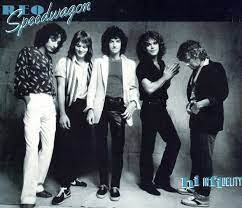
In the vast and diverse landscape of musical tastes, there are certain songs that hold a special place in our hearts, even if we’re reluctant to admit it. Reo Speedwagon’s “Keep on Loving You” is one such track that falls into the category of guilty pleasures. Released in 1980 as part of their album “Hi Infidelity,” the song encapsulates the essence of 80s power ballads of an era that reveled in that style. Despite its sometimes cheesy lyrics and over-the-top production, there’s an undeniable charm to the song that draws listeners in and keeps them hooked.

Before delving into the guilty pleasure that is “Keep on Loving You,” it’s essential to understand Reo Speedwagon’s rise. Formed in 1967, the band went through several lineup changes before finding success in the late 1970s and early 1980s. Their breakthrough came with the release of “Hi Infidelity,” an album that not only topped the charts but also became a defining record of the rock and pop landscape of the early 1980s. The album’s title was an awkward play on both ‘hi fi’ and the fact that so many pop songs were about relationships.

At its core, “Keep on Loving You” is a quintessential power ballad, a genre that dominated the airwaves in the early 1980s. The song is characterized by its emotive lyrics, soaring melodies, and a dramatic build-up that culminates in a powerful chorus. Lead singer Kevin Cronin’s soulful delivery adds a layer of sincerity to the track, making it resonate with listeners on a personal level. We could ask is the song about a real relationship? Is it Cheesy or Heartfelt?

One of the reasons “Keep on Loving You” falls into the guilty pleasure category for us is its unabashedly romantic and, some might say, cheesy lyrics. Lines like “And I’m gonna keep on loving you / ‘Cause it’s the only thing I wanna do” may seem cliché, but there’s an earnestness in Cronin’s delivery that transcends the lyrics’ simplicity. The song captures the universal theme of love and devotion, striking a chord with listeners who appreciate unabashed sentimentality. The over the top delivery of an over the top line creates a resonance, unlike the detached above it all approach of so many artists and band’s of the 1970s and early 1980s, Reo Speedwagon’s exuberant embrace of the exaggeration only makes the song land with even more strength.

Another aspect that contributes to the guilty pleasure status of the song is its production. “Keep on Loving You” is drenched in the sonic aesthetics of the early 1980s, with its prominent use of synthesizers, piano, power chords, and a bombastic drum sound. Some may argue that the production is excessive, extreme and overblown… perhaps even dated, but for others, it’s a nostalgic trip back to a time when music was unapologetically flashy and theatrical. The immoderate nature of the song is part of its charm, it is not subtle.

The term “guilty pleasure” often implies a sense of shame or embarrassment associated with enjoying something that may be considered outside one’s usual tastes. In the case of “Keep on Loving You,” the guilt may stem from a perceived lack of sophistication in its musical elements or a fear of judgment from those who favor more critically acclaimed genres. But we wonder why someone should feel the need to explain away the eye rolls and judgement of others. Embrace the love you feel for a song with a sly chagrin and acceptance, you love the song… even if it is not beloved by others. No one should ever have to justify the music that speaks to them.

However, guilt in this context is subjective, and embracing a guilty pleasure can be a liberating experience. In a world that often demands adherence to certain musical standards, allowing oneself to enjoy a song like “Keep on Loving You” becomes a rebellious act — a rejection of musical elitism in favor of personal enjoyment, you love the song even if others do not.

Part of the allure of guilty pleasures lies in the power of nostalgia. For those who grew up in the late 1970s and 1980s, “Keep on Loving You” serves as a time capsule, transporting them back to a period of big hair, neon lights, and cassette tapes. The song becomes a soundtrack to memories and experiences, making it more than just a musical indulgence, it is a faithless trip to the past.

In the realm of guilty pleasures, Reo Speedwagon’s “Keep on Loving You” stands as a testament to the enduring appeal of power ballads and the emotional resonance of nostalgic music. Whether it’s the cheesy lyrics, the bombastic production, or the unabashed romanticism, the song has earned its place in the hearts of many as a guilty pleasure worth celebrating. So, let go of the guilt, turn up the volume, and let the soaring melodies and heartfelt lyrics of Reo Speedwagon take you on a journey to a time when music was unapologetically loud, direct and bold.