If you spend enough time digging through Bandcamp tags at 2 a.m., you start to recognize the difference between lo-fi as an aesthetic and lo-fi as a way of seeing the world. The first is easy: tape hiss, gently warped guitars, a drum machine that sounds like it was rescued from a yard sale. The second is rarer and more interesting. It’s less about production tricks and more about a temperament—a willingness to let imperfection feel honest.
Dayton musician Luke Hummel, who will be appearing this week on Your Tuesday Afternoon Alternative with Dr. J from 4–5 p.m., belongs firmly in that second category.
Hummel has been drifting around the edges of Ohio’s DIY scene, releasing home-recorded EPs and singles that feel less like products than postcards. His songs arrive quietly, usually with little fanfare, and they tend to stick around longer than you expect. Listening to his catalog is a bit like thumbing through a box of Polaroids from someone else’s life: small moments, slightly faded, unexpectedly moving.
I’m supposed to have a vocabulary ready for this sort of thing. Words like “intimate,” “bedroom pop,” “hazy,” and “nostalgic.” All of them apply, and none of them quite capture what makes Hummel’s music worth paying attention to. The charm isn’t simply that it sounds homemade. It sounds lived in.
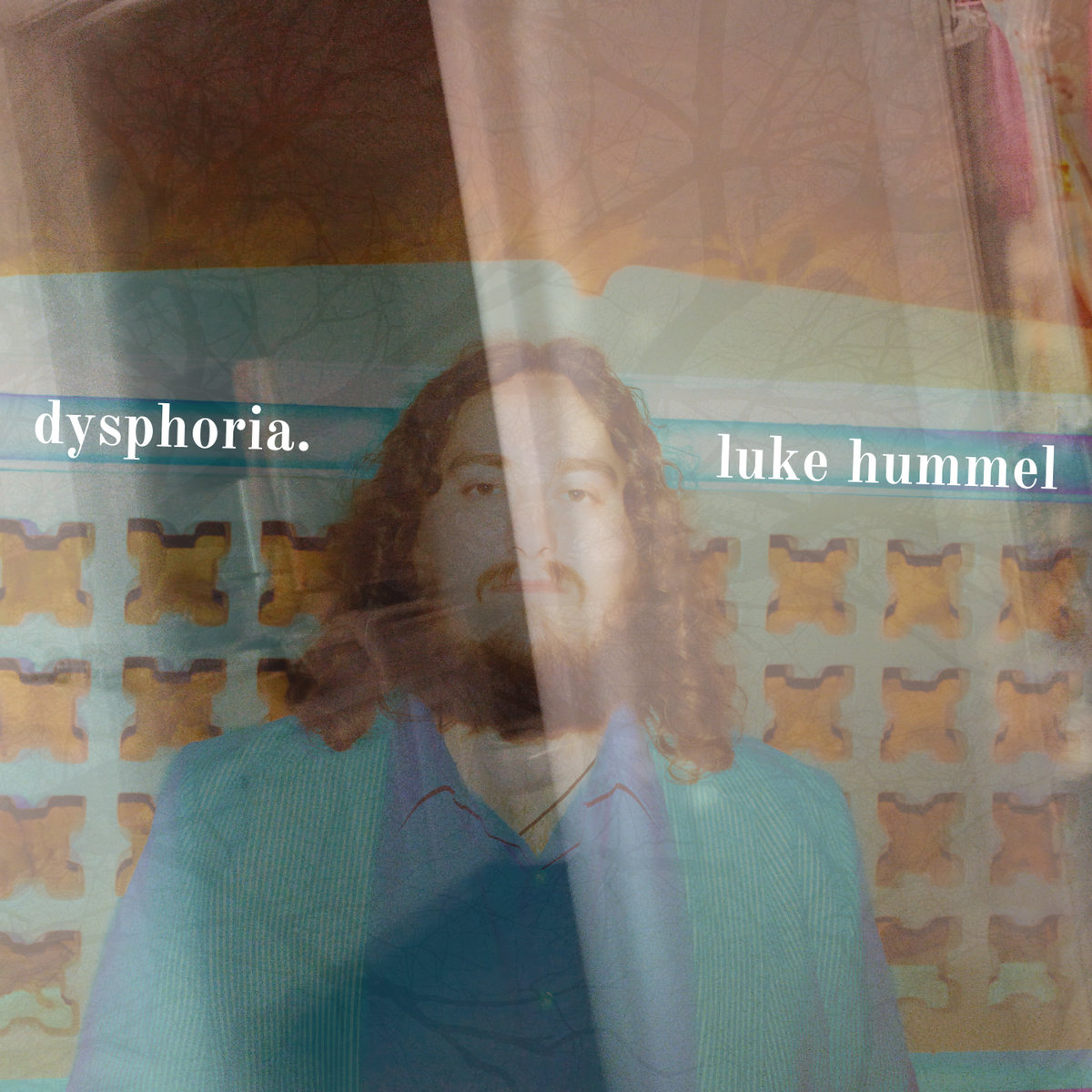
Take ‘woman,’ one of the standout tracks from his most recent release, dysphoria. The song barely rises above a murmur: a finger-picked guitar line, a barely-there beat, Hummel’s soft, conversational voice. On paper, it’s almost nothing. In practice, it’s the musical equivalent of a long exhale. You can hear the room around the song—the faint buzz of an amp, the subtle inconsistencies in the performance—and instead of feeling sloppy, those details make the track feel human.
That humanity is the through line of Hummel’s work. He writes about ordinary things: late shifts, half-remembered conversations, drives down Wilmington Pike after dark. But he treats those ordinary things with an uncommon tenderness. In an era when so much indie music strains for irony or grand statements, his songs feel refreshingly modest. They don’t demand your attention; they invite it.
Dayton, of course, has a long and strange musical history. This is the city that gave the world The Ohio Players, Guided by Voices, Brainiac, the Breeders, Hawthorne Heights, The New Old Fashioned, Oh Condor, The Creepy Crawlers—a place where scrappy experimentation has always thrived. Hummel fits comfortably into that lineage, even if his music is quieter than most of his hometown predecessors. Where Dayton rock once announced itself with blown-out guitars and basement-show chaos, Hummel represents the flip side: the reflective musician sitting on the back steps after the show, trying to make sense of everything.
One of the pleasures of lo-fi music is how it collapses the distance between artist and listener. Big studio records can feel like monuments; Hummel’s tracks feel like conversations. When he sings, it doesn’t sound like he’s performing so much as thinking out loud. In much of Luke’s music, it’s as if he is admitting that he’s better off being alone, ideas delivered so plainly thatit barely scans as a thought. Yet the idea lands with surprising weight. You believe him.
There’s also a gentle humor running through his work. Song titles like “fresh face” and “air dry clay” suggest a songwriter who understands his own anxieties well enough to smile at them. That balance—between melancholy and warmth, self-doubt and self-acceptance—is difficult to pull off without tipping into sentimentality. Hummel manages it with a light touch.
Hearing this kind of music on the radio can feel almost subversive. Commercial airwaves are designed for clarity and volume; lo-fi thrives on softness and texture. That’s what makes shows like Your Tuesday Afternoon Alternative with Dr. J so valuable. We carve out space for artists who operate outside the usual promotional machinery, musicians who might never trend on TikTok but who are building small, meaningful audiences one listener at a time.
For Hummel, a live radio appearance is less about plugging a product than about sharing a process. His performances tend to be relaxed and unvarnished, the musical equivalent of inviting strangers into his living room. I suspect that on the show, he’ll talk about quiet guitars, about recording on aging laptops, about the challenge of making art while holding down an ordinary Midwestern life. Those details matter because they’re inseparable from the songs themselves.
Lo-fi music often gets dismissed as minor or provisional—a stepping stone to something bigger and cleaner. Hummel’s work argues the opposite. There’s a quiet confidence in his refusal to polish away the rough edges. The imperfections aren’t problems to be fixed; they’re part of the story he’s telling.
In the end, that may be the best way to understand Luke Hummel: not as a local curiosity or a genre exercise, but as a careful observer translating everyday experiences into gentle, durable songs. His music doesn’t try to change the world. It tries to keep it company.
And on a Tuesday afternoon in Dayton, that feels like more than enough.

 your tuesday afternoon alternative