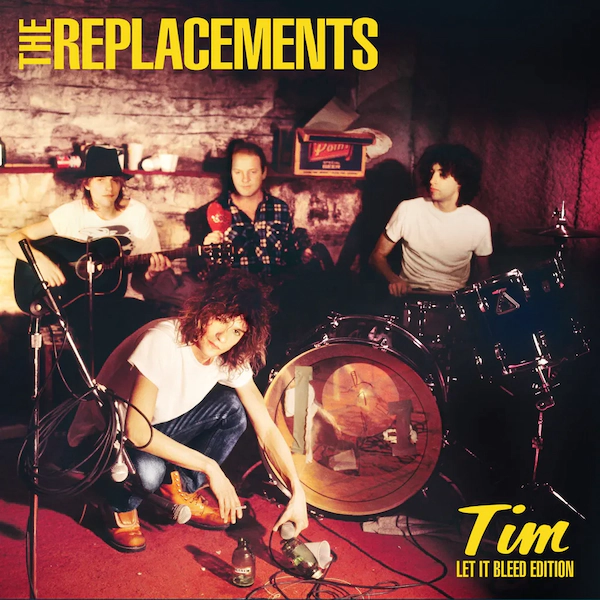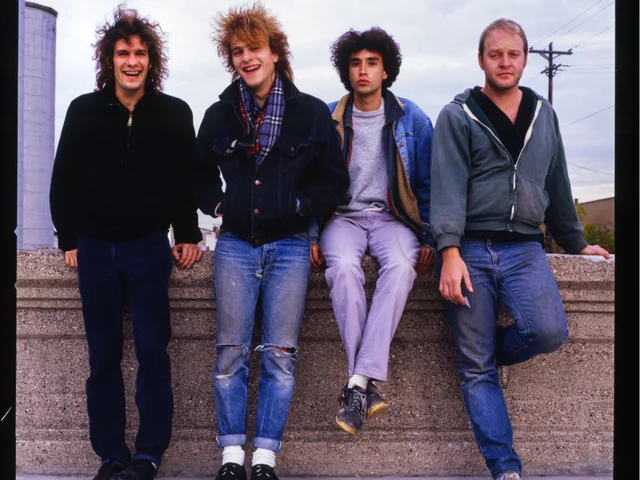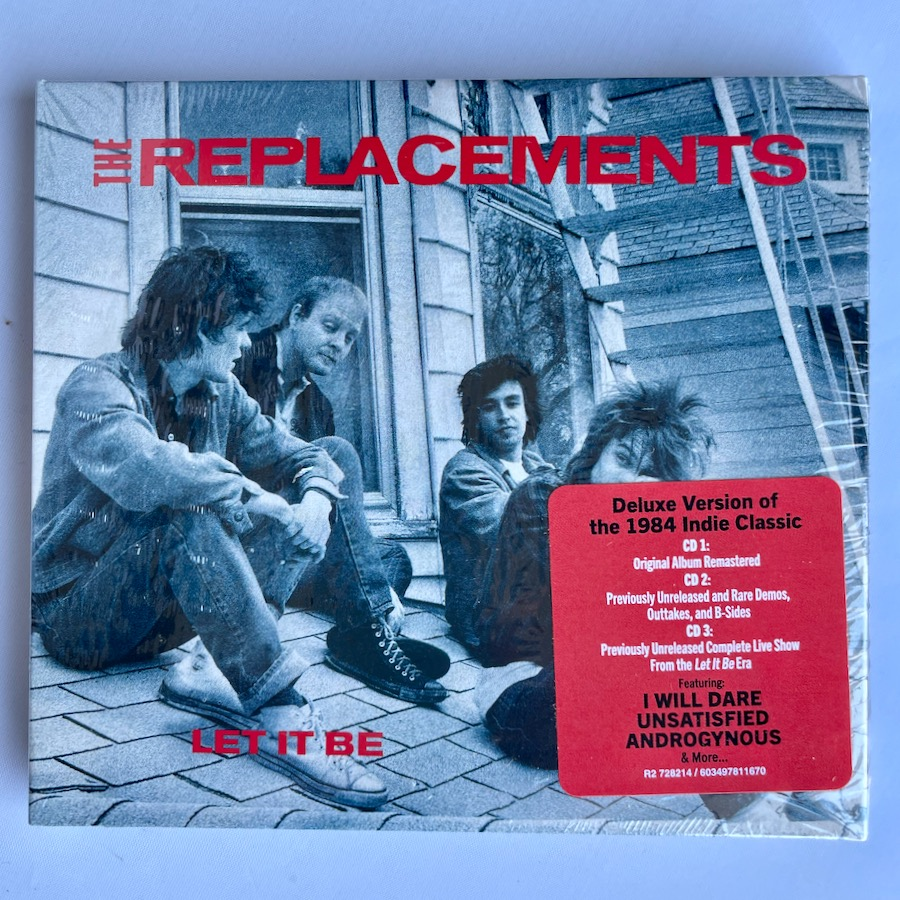
The Madness of Resurrection: Why Let It Be (2025 Remaster) Feels Like a Miracle

It’s one of those things that should never have happened. A scruffy, half-broken underdog band from Minneapolis — ragged, defiant, often self-sabotaging — getting the deluxe archival treatment usually reserved for polished legends, for “classic rock” cathedrals. Yet here we are: 2025, and Rhino Records (a part of Warner Music Group) has dusted off Let It Be, remixed, remastered, reboxed, expanded — and in doing so given the world a second chance to see the bruised poetry of the original 1984 record in high fidelity.

The fact that The Replacements are getting this kind of attention now — decades after their original flame flickered out — is almost absurd. And yet that absurdity is perfect. Because Let It Be was never meant to be smooth. It was meant to hurt, to stumble, to scream. The Deluxe Edition doesn’t try to smooth those edges — it highlights them, reminding us why this band never fit neatly into the mainstream, and why that’s exactly why they mattered.

The Skeletons & the Heart — An Album Understood

Originally released in 1984 via the indie label Twin/Tone Records, Let It Be was a moment of clarity for The Replacements: a record of transition, of longing, of half-formed innocence battered against a rock & roll dream.

The 2025 Deluxe Edition gives us disc one: the remastered original album — eleven songs that remain as vivid, ragged, and vital as ever. Then comes the rarities — alternate versions, outtakes, home demos — and a full 28-song live set from March 1984 at the Cubby Bear in Chicago.

This isn’t a rehydrated corpse. It’s a beating heart, reconnected. It’s the band as they were — flawed, sprawling, incomplete — presented again not as “heritage,” but as rock & roll living in the cracks between hope and chaos.

Track by Track: The Skin & Bones of Youth

Think about “I Will Dare” — opener of the album and a dare in itself. That fuzz-ed cardinal riff, the off-kilter swagger, Paul Westerberg’s voice like it’s scraping against the point of a razor. The 2025 remaster gives the guitars more room to breathe; you hear the strings buzz, the drum skins snap, and every syllable of “dare” tastes like adrenaline. It lands like a punch in the gut — and that’s exactly the point.

Then there’s “Favorite Thing,” where the punk cheek turns into something almost tender. A strange, shimmering melody over brittle chords, a voice struggling between affection and alienation: “I just don’t know what to do.” On the original vinyl you heard the ghosts of cheap amps and cigarette smoke; on this remaster you hear the humanity underneath.

“We’re Comin’ Out,” “Tommy Gets His Tonsils Out,” “Black Diamond” — all of them jittery, half-formed attempts at grandeur, teenage longing, and adolescent confusion. But the album’s heart lives in songs like “Androgynous” and “Unsatisfied.”

“Androgynous”: one of the few rock songs in history that wears its empathy on its sleeve without collapsing into sanctimony. A melody that aches, lyrics that don’t posture — and in 2025, the alternate version restores a full piano intro, a different vocal take: a softer, more haunted Replacements, vulnerable but unpretentious. 

“Unsatisfied”: bitter, ragged, full of longing. Westerberg’s voice cracks, the rhythm stutters, the world trembles. On this remaster, the grit is there, but so is the clarity — the bass-line you never heard before, the snare drum’s tiny echo, the breath between words. It’s like seeing an old scar under better light — you cringe, but you also understand how it shaped the person.

Songs like “Answering Machine” — small, shy, off-kilter — make you feel the quiet desperation of isolation, of trying to connect and hearing nothing but static. On this remaster, those staticky edges sharpen; the loneliness doesn’t sound like a studio effect anymore, it sounds like the room you’re in after the lights go out.

Listening to Let It Be, side to side, track after track, is like rummaging through someone’s teenage bedroom: posters peeling off drywall, cigarettes half-smoked in an ashtray, dreams scribbled over notebook margins. It doesn’t sound like “great production.” It sounds like truth.

Why Let It Be Was Always Too Big for Its Boots — and Yet Never Big Enough

The Replacements were never built for the spotlight. They were too ragged around the edges, too self-aware, too… real. And by “real” I mean “full of contradictions.” They wanted fame, but they didn’t want the shackles that come with it. They chased rebellion, but they also had voices cracked open by longing. They wrote love songs when they barely knew how to keep their own lives together.

By the time they were capable of being “bigger,” self-destruction and disillusionment had already set in. The guitarist whose shards of noise cut through Let It Be — Bob Stinson — drifted away soon after. Addiction, inner demons, burnout: the usual rock mythology that turns alive bands into ghost stories. 

It’s improbable that a band like The Replacements would ever get a deluxe archival box. It’s even more improbable we’d get one in 2025 — a time when nostalgia usually means safe, stable comfort records. But part of what makes this remaster so thrilling is that it refuses comfort. It resurrects the mess. It preserves the fractures. It honors the band not as legends, but as poets of sloppiness, heartbreak, and restless hope.

That’s why this reissue is more than just for longtime fans. It’s for anyone who ever felt like an outsider, anyone who ever saw beauty in chaos, anyone who ever listened to music and found pieces of themselves in the distortion.

What the 2025 Deluxe Edition Actually Adds — the Blood Under the Skin

Thanks to Rhino’s box, we now have a wealth of previously inaccessible material: alternate takes of “Gary’s Got a Boner,” “Favorite Thing,” a restored alternate of “Androgynous,” unreleased outtakes like “Who’s Gonna Take Us Alive” and “Street Girl,” home demos, and more. 

But perhaps the jewel in the set is the 28-song live set from March 1984 at the Cubby Bear, Chicago. A crowd-sourced tape, long buried in obscurity, now remastered and set free. On this live set you hear the band thrashing through not just Let It Be material, but older punk-raw cuts, covers of The Beach Boys, Bad Company, and the kind of sweaty, ragged, near-chaotic energy that only a band on the edge can deliver.

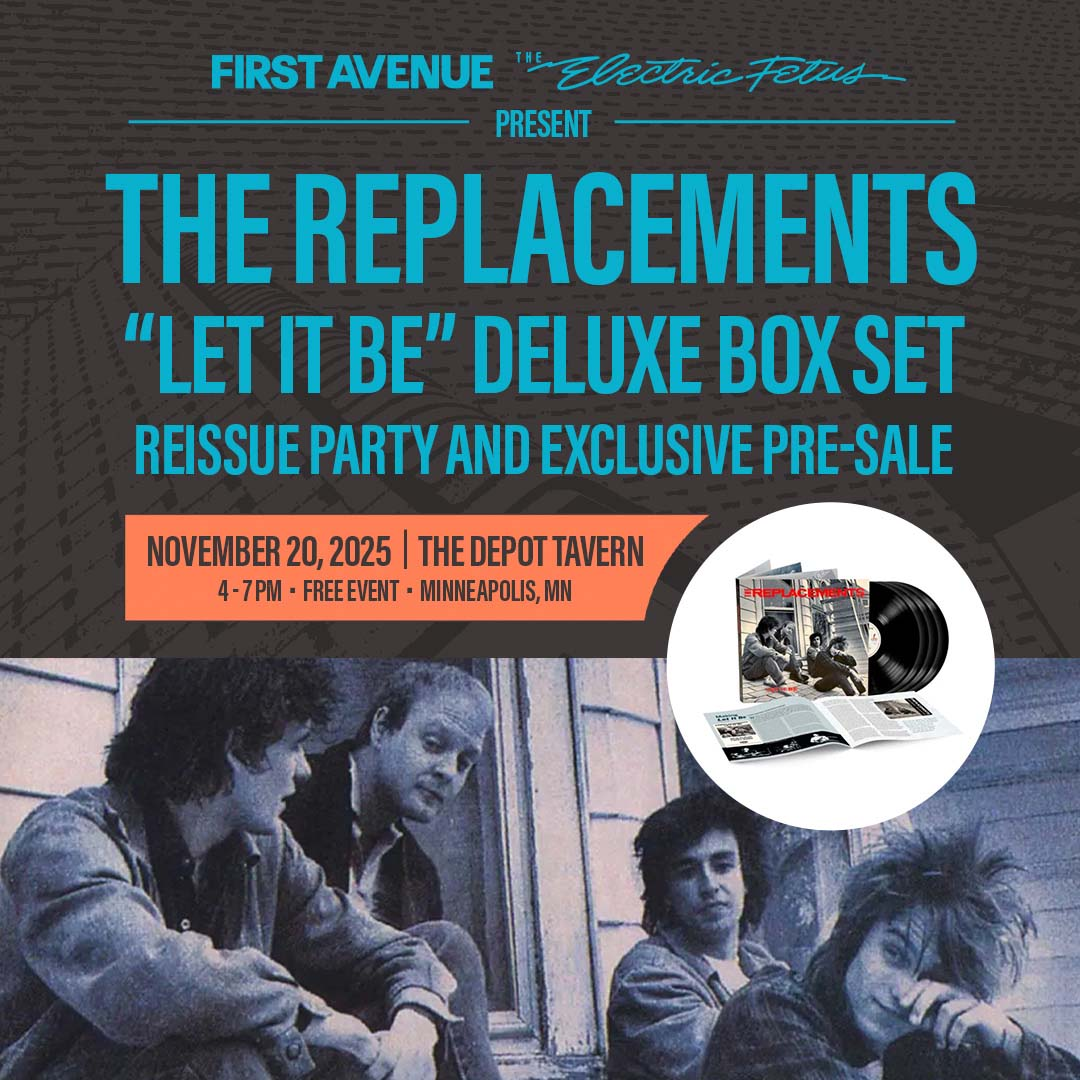
Rhino.com will also offer an exclusive bonus 10-inch vinyl release, Live at City Garden. Bundled with the vinyl edition and a T-shirt, this six-song soundboard recording was captured at the legendary Trenton, New Jersey, punk club on February 11, 1984. Highlights of the live EP include a rare performance of the ballad “You’re Getting Married,” played at the request of the band’s original manager and Twin/Tone co-founder Peter Jesperson, who also co-produced both the original Let It Be and the new deluxe edition. That track is a small, strange flower growing out of the concrete of punk rock — gentle, awkward, and deeply human.

These extras don’t feel like padding. They feel like excavation. They don’t try to mythologize the band — they just show: this was real. This was messy. This was alive.

For Fans & The Uninitiated — Two Doors to the Same Room

If you’ve loved The Replacements for decades, this Deluxe Edition is catharsis. It’s memory, resurrection, vindication. It’s turning the lights back on in a room you once lived in — seeing every cigarette burn mark on the table, the scratched vinyls leaning against the wall, the ghost of teenage hope in the corner.

If you’re new to The Replacements — maybe you grew up after the vinyl era, maybe your Spotify algorithm just nudged you — Let It Be (2025 Deluxe Edition) is a perfect entry point. The remaster cleans — but doesn’t polish — the sound. It clarifies, but doesn’t sterilize. And the expanded material draws out the band’s contradictions: tender yet abrasive, sloppy yet sincere, desperate yet hopeful.

In a moment where rock & roll sometimes feels like it’s been shoved into a nostalgia museum — safe, curated, predictable — this reissue punches through: real ragged edges, real emotion, real imperfection. It reminds you that rock was once a refuge for freaks, for outsiders, for the restless.

What Could’ve Been — And Why It Still Means Something

It’s almost uncanny: listening to Let It Be now, you can hear the potential of a much bigger future. Songs like “I Will Dare” and “Androgynous” aren’t just artifacts of mid-80s indie; you half expect them to echo off arenas, to lay foundations for generations. The Replacements had the songwriting, the heart, the courage — and at times, it sounds like they had the will for greatness.
But rock & roll doesn’t reward sincerity if the band can’t survive themselves. Bob Stinson’s drift, the instability, the lack of polish — all of that doomed them from riding their own wave. And in retrospect, that’s part of the charm. Let It Be feels like the greatest nearly-album the 1980s never let bloom fully.

The 2025 Deluxe Edition doesn’t rewrite that history. It doesn’t pretend the band got what they deserved. What it does is more courageous: it says, “Here is who they were. Here is what they felt. Here is the wreckage — and the beauty.” For anyone willing to peer into the wreckage, there’s a kind of redemption there.

A Final Salvo: Why Let It Be (2025) Matters

There’s a moment in the history of rock & roll when everything cracked wide open, when the neat boxes called “punk,” “indie,” “pop” blurred into something messy and human. The Replacements were among the first to do it — not by design, but by desperation, by honesty, by the stubborn belief that rock didn’t need to be polished to matter. Let It Be wasn’t just an album: it was a middle finger to complacency, a howl in the concrete night, a slag-heap love letter to the lonely.

In 2025, to give that album a deluxe reissue — remastered, expanded, recontextualized — is to say that those guttural screams, those jangly chords, those messy homespun ballads still matter. It’s a statement: that rock need not be perfect to be perfect. That pain, longing, chaos, longing, and heartbreak deserve clarity, not gloss.

If you’ve never heard The Replacements — or if all you know are legends and hearsay — this version of Let It Be is a gift. Not because it’s pretty, but because it’s honest. Not because it’s comfortable, but because it’s real.

So press play. Let the guitars crack. Let the drums rattle. Let the voices ache. Because the room is dark — and once you open the door, you might never want to leave.

Video of the Day: The Replacements: Let It Be (Deluxe Edition) Unboxing and Interview with Peter Jesperson

Unboxing Let It Be (Deluxe Edition) with Peter Jesperson feels a bit like opening a time capsule with the person who helped seal it shut decades ago. As he lifts the lid, there’s an unmistakable spark of recognition in his voice—each piece of packaging, every photo, every scuffed tape box seems to carry a memory only he can unlock. What might otherwise feel like a standard deluxe reissue suddenly becomes charged with lived history.

Jesperson doesn’t just describe the material; he animates it. He flips through the booklet and, in an offhand comment, drops you right back into the chaos and brilliance of The Replacements in 1984. The band’s humor, volatility, tenderness, and absolute unpredictability all surface as he recalls how certain songs came together or how a particular live moment found its way onto a bonus disc.

Moving through the set with him is like being guided by the band’s archivist-in-chief—someone who doesn’t merely know the story but lived inside it. His excitement is contagious, and as he handles each artifact, the deluxe edition becomes more than a product; it becomes a reunion with the band, filtered through someone who never stopped believing in them. In his hands, the ephemera transforms into something warm and personal, a reminder of how unlikely and extraordinary this music was—and still is.

Revisiting Tim: A Personal Journey Through The Repalcements’ Iconic Album

As we celebrate the Ed Stasium remix of The Replacements album ‘Tim‘, we thought gathering other music lovers’ thoughts would be a great way to stop and consider the impact of this record. The fourth ‘Revisit’ comes from our friend, musician, and music writer, Matt Derda of Matt Derda & The High Watts! Matt is a Chicago area-based musician who has released some incredible music. Thank you, Matt!

Recently, I saw a video where someone had a Fender Telecaster guitar and the paint started to wear off. Underneath the black layer of paint was an incredible paisley design. The guitar was perfect already and it played great, but with this discovery, it’s now an amazingly beautiful guitar. I think you get the metaphor here.

I was a huge fan of the Dead Man’s Pop reissue and it felt like a totally new Replacements’ record. I really didn’t have that much of an issue with the original Don’t Tell A Soul like everyone else did, but it was a welcome update. But I actually couldn’t fathom how they could make Tim better. Bastards of Young is already in my top 5 best songs of all time. However, Tim (Let It Bleed Edition) should probably become an adjective to describe something that is old, but yet new at the same time. I don’t know that there is a better example to ever exist.

Every single track is familiar, yet slightly different. I think what stands out the most is how much you can hear the clarity of all of the guitar parts. If you already thought Bob Stinson was a genius guitar player before, well now he’s a guitar god. And really the whole band just played incredibly well off each other. I prefer to listen to live recordings, either bootlegs or official releases. The Tim (Let It Bleed Edition) sounds like a live recording. It’s as if you’re sitting in the room with The Mats as they play all of these tracks together. 

And everything seems to have a little extra swing to it. I don’t think I realized how danceable this record was before. Kiss Me On The Bus was already pretty peppy, but something about being able to hear Bob’s guitar and Tommy’s bass a little better makes me want to get up and dance. Dose of Thunder sounds a little less KISS and more like the Dead Boys. Waitress in the Sky could easily be a hit on Outlaw Country on SiriusXM radio. Bastards of the Young doesn’t sound all that much different, but it didn’t need to. It’s perfect.

A proud parenting moment for me was when my six-year-old asked me what song I was listening to one night while doing the dishes. It was the new Ed Stasium mix of Waitress in the Sky. She said, “I like this song.” I’ve never been prouder.

The stand-out song for me though is Swingin Party. I never really cared for this song. Of course, the lyrics are masterful, per all Westerberg tunes, but I just thought the song was kind of boring. Everyone always loves that song so I was kind of embarrassed that I didn’t care for it. However, on this reissue, it seems like a totally different song. It went from one of my least favorites to one of my favorites. I think it is because you can clearly hear Tommy’s bass lines. The song actually swings now.

Finally, I have always been a huge fan of the song Nowhere is My Home. It’s probably one of my top 10 favorite Mats songs, and it was originally cut from the album! This edition gives us two…TWO versions of Nowhere is My Home

All in all…10/10. Would recommend.

Revisiting Tim: A Personal Journey Through The Replacements’ Iconic Album

As we celebrate the Ed Stasium remix of The Replacements album ‘Tim‘, we thought gathering other music lovers’ thoughts would be a great way to stop and consider the impact of this record. The third ‘Revisit’ comes from our friend, musician, and music writer, Jeremy Porter, Detroit, Michigan-based musician (Jeremy Porter and The Tucos), Author (Rock and Roll Restrooms: A Photographic Memoir), and Co-Editor in Chief (Pencil Storm).

The Replacements were a pivotal band in my life on so many levels. I was an awkward 15-year-old stoner metalhead (Still a metalhead, not so much a stoner) living in a new city. I was terrible around girls, but I had some new friends and they were into (gasp!) PUNK. It was all punk…REM was punk to me. I was trying, I really was. I needed friends, and these guys seemed ok, but this music! Where were the epic guitar solos, high-pitched screams, pointy guitars, and chained-up bikini-girls in the videos? 

One day my friends were in the living room with their girlfriends doing whatever teenage boys do with their girlfriends when mom and dad weren’t home, and I was (typically) alone in my buddy’s room, sitting on the bed, with some PUNK album playing, thinking about leaving. 

“WE’RE COMING OUT! WE’RE COMING OUT!! WE’RE COMING OUT!!” 

What the hell is this racket? What am I doing here? Wait a minute, this sounds familiar… 

“Out on the streets for a livin’, you know it’s only begun…” 

HOLY SHIT they’re doing a KISS song! What is this? WHO is this? That was the very moment I rounded the corner. Across that bridge between KISS and The Replacements was my door to a new life. I sat there staring at the cover of Let it Be and it may as well have been my new friends and me sitting on that roof, shaking off an afternoon hangover before band practice and more partying.

A few months later The Replacements released Tim and we got it the day it came out. I was in a band called The Regulars long before “Here Comes a Regular” hit the streets. Our singer’s name was Tim, and he was quite literally, as the song goes, “A drinkin’ buddy that’s bound to another town” as his family was moving away, despite his desperate objections and pleas. We’d sit around out of our skulls and analyze these coincidences like they were prophecy. 

It didn’t hurt that the music was fucking incredible either. Paul Westerberg was me and I was him; the skinny, flannel-clad, gangly, zitty burnout who waits all day for the bus ride home just to see the girl I’m obsessing over, wanting so bad that kiss, but ultimately keeping my fantasy to myself, somewhat spoiled by the sausage-stuffed, Skoal-chewing, football player boyfriend sharing her bench. It’s an old story that’s been told a million times: Guy wants a girl and can’t have her. “I Wanna Hold Your Hand,” basically. “I Want You to Want Me.” “Layla.” “Every Little Thing She Does is Magic.” Half of rock and roll is about unrequited love. But Westerberg’s genius was making “Kiss Me on the Bus” about the bus, the transfer, the stop, the gazing classmates, the juvenile heartache, all setting the cliche on its head, and then, more importantly, putting me on that bus, two benches back. “Okay, don’t say hi then” is a genius adolescent play-it-cool-but-I’m-really-not line, Paul somehow tapping the mind of every pubescent loser kid who ever muttered it. “They’re all waaaatching uuuuuuuusssssss!” OK, no one was watching me, but that movie played in my head every day for an entire school year. 

Swingin’ Party hit a similar chord. Back to that awkward kid, this time not on a bus but at a party, terrified to talk to anyone, but wanting nothing more than to do just that. “If bein’ afraid is a crime we’ll hang side by side…at the swingin’ party down the line.” It’s poetry, and it’s the raw truth, up against the fraud and facade of the flag-carrying, lampshade-wearing protagonist earlier in the song who makes it like everything’s cool on the outside, all the while dying on the inside. Two party-goers, a boy and a girl, hanging by their necks from a leafless tree, their silhouettes gently swaying against a burning red, orange, and black sunset, perfectly content to sacrifice it all rather than risk the possibility of rejection at their mutual friend’s kegger party. That’s what I see, and what I lived more than a few times at parties in the basements of my friends’ houses and in the woods adjacent to the beaches in our town. And that match strike and cigarette inhale at the end? Yeah, we heard that in 1985 and thought it was the coolest thing ever. A message from Paul. He was one of the best when it came to that kind of thing, the everyman’s songwriter, and Tim is his high water mark.

Over the years I put The Replacements on less and less. I don’t like the band any less – well, I sort of do after reading Trouble Boys, the great book by Bob Mehr that exposed them as damaged, selfish, and often horrible people – but I don’t like the music any less. I’ve heard those records a million times, I can play them in my sleep. When a random song comes on shuffle I perk up a little, and the flood of live albums and reissue box sets has been a great way for an old fan like me to revisit and reinvigorate their catalog. 

The recent Tim: The Let it Bleed Edition box was just that – a chance to revisit this pivotal album and hear it with fresh ears. It takes me back to that bedroom in 1985, those parties, and that goddamn bus. But Stasium has elevated the experience beyond a nostalgic look back. He’s stripped the neon paint job down to the bare, exposed metal and stucco and allowed us to not only relive the music – but to rediscover it, to hear things we’ve never heard, and to feel things we’ve never felt. Front and center in the new mix is the visceral rawness and emotion in Paul’s voice. He gets the credit for the songs and for being the ringmaster of the shitshow, but rarely the accolades he deserves as an incredible rock vocalist. When I focus on the vocal performances that for the first time are clear and audible, I just get shivers. A discovery that profound on an album that’s 38 years old is quite extraordinary. 

But that’s what art does – it affects you when you consume it. So you go back and consume it again if you can, or if you want to, and eventually, if you spend enough time with it, it becomes a part of you. And that’s what Tim did for me in 1985, and what it’s doing again in its new form today. It’s a gift, this remix, and one not to be taken for granted. We get a limited time on this toxic and flawed but beautiful and unpredictable marble, and it feels like we’ve gotten away with a second hand in the cookie jar with this one. Few things in life and art have this impact, and significantly fewer are given a second breath, a second chance at ripping your heart out, an opportunity for redemption. Here’s to rock and roll, and finally finding the courage somewhere to tell that girl on the bus that her boyfriend is a douche and she really needs to hang out with you. Xx   

Revisiting Tim: A Personal Journey Through The Replacements’ Iconic Album

As we celebrate the Ed Stasium remix of The Replacements album ‘Tim‘, we thought gathering other music lovers’ thoughts would be a great way to stop and consider the impact of this record. The second ‘Revisit’ comes from our friend and music writer, Kevin Alexander. Make sure you subscribe to his Substack!

There used to be a wall in downtown Portland Oregon, where someone had painted “Paul Westerberg is God.” Anytime my friends and I were down there, we’d see it, laugh, and make the sort of inside jokes funny only to us. 

It would be ~25 years between seeing that sign and finally seeing the Replacements. My wife & I drove 75 miles to hear 26 songs, and it was worth every last minute. My ears bled like I thought they might. It was everything we expected. And more.

It would take 38 years for The Replacements’ Tim album to get the remix it deserves. The result is far more than merely “punching up the drums” or tweaking a note here or there. Ed Stasium has overhauled the record, resulting in a much more dynamic, heavier sound.

The original was produced by Tommy Erdelyi (better known as Tommy Ramone) and sounds tinny, nasally even. Despite being packed with songs we hold so close, there is a distance to it. It’s flat, but to my ear, that’s how most ‘Mats records before Don’t Tell A Soul sounded. 

It was all part of the bargain and matched their (then) chaotic style, which never much lent itself to fidelity. The record production on Tim left a lot on the table, but The Replacements was always a band that rolled their eyes at terms like “potential,” so maybe that was part of the bargain too. 

Tim represents an inflection point for the band where Westerberg’s lyrics start pivoting toward a more poignant place. Think less “Gary’s Got A Boner” and more “Little Mascara.“ 

With Stasium’s help, the sound is finally leveled up to match the words. 

The usual box set ingredients (B-sides, live tracks, etc.) are here, but the original album tracks themselves are the real treasure. Listening to a fresh take on something so familiar can be fraught, but Stasium has gone to great lengths to amplify & enhance only the best parts and finally bring the music closer. 

To my ear, the biggest changes are to the rhythm section. Tommy Stinson’s bass had always been relegated to the back, almost an afterthought as Westerberg and  Bob Stinson battled it out on guitar. Here, his playing is much closer to the front, and the lines are much cleaner and clearer. 

Chris Mars also benefits from revisiting the record. With Stasium’s touch, the drumming is revealed as much more intricate. Even listening with less-than-stellar headphones, you hear new fills here or a cymbal crash there. A record like Tim is one you grow to love by heart, down to every last note. Hearing a series of new parts in the equation is unexpected but in the best way. 

Bob Stinson sees some posthumous redemption here, too. At this point in the original recording, he was already headed toward drug-fueled oblivion and had a much-reduced role on the record- almost as a vestigial nod to their louder, more raucous days than anything else. Part of that is down to his wrestling with his demons, but part of that might’ve been down to being on the outside looking in. 

With Westerberg taking an increasing turn toward being a singer-songwriter, where’d he fit in? 

Indeed, one of the two “Bob” tracks is “Dose Of Thunder,” a lovely homage to scoring speed. I used to regard it and “Lay It Down Clown” as two of the weaker tracks on the record. Neither will make any “favorite ‘Mats song of mine” lists, but both are improved significantly here, sounding more electrifying. More importantly, both highlight Stinson’s guitar work as someone who, despite going completely off the rails, could still nail it when the mood struck. 

No track perhaps encapsulates all of this better than the “new” version of “Little Mascara.” Westerberg has a knack for squeezing an entire story into one verse; this is no exception. The original is good, but this is sublime. Parts have been moved around and overhauled. The intro is now the chorus, each verse a step up to the next, and the whole track is now somehow even more anthemic–and that’s before we get to the outro, which is much longer and features a ripping solo by Stinson. 

It just might be my new favorite. 

If you dig far enough on YouTube, there is cellphone footage from the show my wife and I were at. Like the early ‘Mats records, it’s raw and shaky. It’s short on production but long on enthusiasm. 

As Westerberg tears into the opening riff of “Bastards of Young,” someone just out of frame says, “f**k yeah!” it’s more rapturous than anything– as if the person has been waiting their whole life to hear those chords in person. It’s a dream fulfilled. 

In a lot of ways, the newly mixed “Tim” is the same way.

The Replacements’ “Tim Let it Bleed Edition” – A Raw and Unfiltered Gem

The Replacements’ 1985 masterpiece, “Tim,” has long been celebrated as a cornerstone of alternative rock history. With its timeless blend of punk energy and heart-wrenching ballads, the original album left an indelible mark on the music landscape. However, the production of ‘Tim’ has since its release been a subject of debate. While the original mix captured the power of the band, there was simply a lot of detail that was lost in an odd choice of mono-focused production and lo-fi-like aesthetic.

Now, in 2023, we’re treated to “Tim Let it Bleed Edition,” a reissue that not only pays homage to the original but adds a raw, unfiltered layer that deepens the emotional resonance of the record. Although nothing new was added to the remixed tracks by Ed Stasium, what is different is that we all can now clearly hear what the band was doing.

This “Let it Bleed Edition” is more than just a reissue; it’s a journey back in time. The original tracks, from the borderline reckless “Bastards of Young” to the devasting and powerful “Little Mascara” to the poignant “Swingin Party,” are as impactful as ever, maybe even more so because from the vocals to the guitars, bass, and drums listeners can find the detail that was simply buried. Westerberg’s voice is even more fragile and vulnerable yet cheeky and tough in an “I don’t need your validation and approval” way. The Replacements’ signature blend of rebellion and vulnerability shines through, capturing the essence of youthful angst and uncertainty.

Bob Stinson’s guitar parts shine in this remixed record with a power, finesse, and movement that was lost in the mono aesthetic of the original. There are parts and aspects to his playing that were simply lost. The phasing and shifting of Stinson’s movement was far more than assumed whether he was playing a silly rocker (“Lay It Down Clown,” “Dose of Thunder”) or a serious reflection on life’s challenges (“Little Mascara,” “Bastards of Young”). Bob Stinson was a great guitar player who was far more sophisticated and expressive than the original mix concealed.

“Little Mascara” in particular becomes more powerful lyrically and sonically with this remix. The song’s impact becomes inescapable. The sense of anomie, frustration, and entrapment of the narrative escalates to feel almost suffocating. This version is mind-blowing in part because it brims with a collusion between chaos and sentiment. A spectacular song that is fully realized in this new version of the album.

Also long overdue is the reflection and realization of what an incredible bass player, Tommy Stinson was at the tender age of 18 when the album was recorded. Stinson’s bass parts demonstrate a strength, speed, dexterity, and maturity on his instrument that is shocking. To say he is a damn fine bass player feels like an understatement. The Stasium remix reveals some of the finest bass runs and progressions in contemporary rock and roll. These are now clear and convincing in this version of the record.

“Here Comes a Regular” changed greatly in the new mix. That song morphed from a wistful song to a deeply melancholic almost melodramatic tune. The clarity of the vocals now does not allow a listener to hide from the sadness. That heavy emotional pain is far too real now, inescapable. It feels punishing and unbearable in a way that the original mix did not.

What truly sets this edition apart is the inclusion of previously unreleased live recordings and studio outtakes. The live tracks transport you to the sweaty, beer-soaked clubs of the ’80s, where The Replacements were at their most electrifying. Songs like “Hold My Life” and “Kiss Me on the Bus” gain a new vitality when performed in front of an eager crowd.

Drums can make or break the sound of a record. And Chris Mars was done a serious disservice with the original mixing. In the new mix, Mars has a feel, sway, and rhythm that was made mushy and soft but is now revealed to be anything but that. Wow, Mars’ drumming had some swing that was buried in the approach of the first record.

The studio outtakes, on the other hand, reveal the band’s creative process in all its messy glory. The rawness and imperfections in these unreleased gems provide a fascinating insight into The Replacements’ genius. “Waitress in the Sky (Alt Version)” showcases Paul Westerberg’s unmistakable wit, while “Here Comes a Regular (Demo)” strips the song down to its bare emotional bones, offering a more intimate connection with the band’s songwriting process.

‘Tim Let it Bleed Edition’ may not be a radical reinterpretation of the original, but it doesn’t need to be. The uncovering and clarity that is provided on the remix is like receiving the record for the first time. Nothing has been added because it was all already there just waiting to be discovered. Instead of reframing, this remix is a heartfelt tribute to a classic album, a love letter to a band that forever altered the course of alternative rock and indie. This reissue is a must-listen for die-hard fans and a perfect entry point for those who have yet to discover The Replacements’ timeless sound.

One is left to wonder if The Replacements would have achieved far more had Sire Records released this version of the record? While, this author, loves “Let It Be” and I still believe “Pleased to Meet Me” is damn near perfect — this version demonstrates the band was so much more than what was assumed. So much of what they could do was buried, hidden from the listener. Would The Replacements have then met Sire Records’ expectations in terms of sales? Certainly, the band created a powerful impression even with the mono aesthetic of the original production.

In the end, ‘Tim Let it Bleed Edition’ serves as a testament to the enduring power of The Replacements’ music. It’s a reminder that even decades later, their songs still resonate with the same raw energy and emotional honesty that made them legends in the first place. This edition may have “Let it Bleed” in the title, but it’s the heart and soul of The Replacements that truly bleed through every note.