You know what? Saying rock and roll really began with Rubber Soul isn’t some heretical bolt from the blue; it’s the kind of wild-eyed truth you only admit after years of peeling back the layers of myth and noise. Because that record wasn’t just an album; it was the moment the Beatles stopped being mop-topped charm merchants and turned into full-blown sonic arsonists.
Rubber Soul is where the walls blew open — where pop hooks sprouted strange new limbs, where folk met psychedelia in a dark alley and decided to run away together, where music discovered it didn’t have to smile to be loved.
You can feel the whole future of rock wriggling under the skin of those tracks. It was the Big Bang disguised as a studio experiment, the blueprint for everyone who ever wanted their guitar to be both a confession and a weapon. So yeah — call it the beginning. Plenty of albums came before, but Rubber Soul is where rock stopped crawling and started walking into the fire.
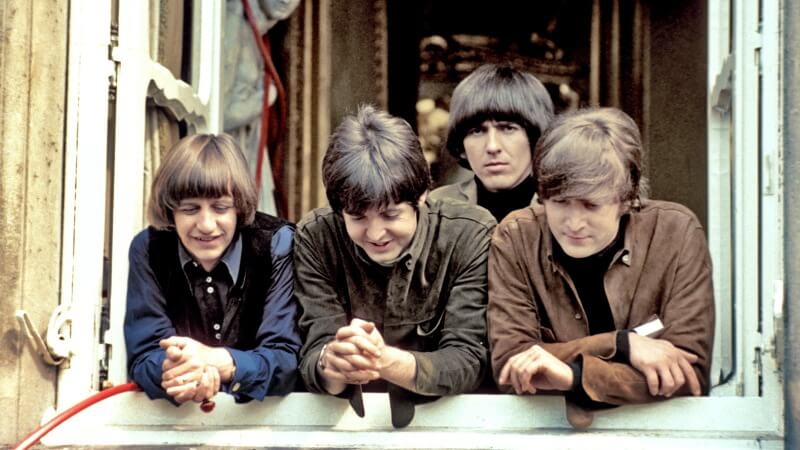
“Rock and roll as we know it began with Rubber Soul” isn’t just a clever line—it’s the truth Paste is tapping into.Released on December 3rd in 1965, the album marks the moment the Beatles stepped out of the frenzy of Beatlemania and into a more mature, deeply intentional era of songwriting. Rubber Soul didn’t just elevate their own sound; it challenged everyone around them—most famously pushing the Beach Boys to rethink their sun-soaked formulas and ultimately inspiring Pet Sounds.
What makes Rubber Soul so enduring is how confidently it bridges pop accessibility with artistic experimentation. The band broadened the emotional and musical palette of rock, weaving in introspection, sharper storytelling, and new textures that hinted at the psychedelic shift to come. It’s the point where John, Paul, George, and Ringo became not just stars, but innovators—artists who were actively reshaping the possibilities of popular music.
Paste is right to celebrate it: Rubber Soul wasn’t just another release—it was the hinge on which the Beatles’ legacy, and arguably modern rock itself, turned.
December ’65 the Beatles were supposed to be polished mascots of Beatlemania, grinning through another round of yeah-yeah-yeahs. Instead they walked into the studio, slammed the door behind them, and came out holding a whole new universe in their hands.
Rubber Soul is the moment they stopped playing the pop-star game and started playing God with melody and mood. Suddenly the harmonies got darker, the jokes got stranger, and the whole band sounded like they’d actually been listening—to Dylan, to each other, to the static in their own heads. And the Beach Boys? Forget surfboards; this album practically shoved Brian Wilson into a sensory deprivation tank and dared him to come back with something better.
What Paste gets right is that Rubber Soul isn’t just a “mature” Beatles record—it’s the pivot where the mop-tops mutated into the mad scientists we mythologize. A band shedding its skin in real time. A warning shot to everyone else who thought they were making serious music.
If rock and roll has a Year Zero, this album is one of the few places you can actually hear the fuse catching.
In the ever-evolving landscape of music, where singles reign supreme on the charts and dominate streaming and what’s left of radio airwaves, it may seem audacious to suggest that albums still hold an essential place in the hearts of musicians and music fans. Consider the profound exploration of the myriad reasons that albums, those cohesive and immersive bodies of work, continue to be more important to the world of music than singles. Simply put, why do albums, as comprehensive artistic expressions, outshine the fleeting glimmers of singles? In an updated article in June of this year, The New York Times noted that Vinyl is selling so well that it has become difficult to sell.
In today’s digital age, where the allure of instant gratification looms large, singles often capture our attention with catchy hooks and immediate gratification. The latest new “thing” pushed by the music industry. However, one could argue that singles stand as mere fragments of a larger narrative, while albums, these grand tapestries of sound, continue to stand tall as the ultimate artistic statement. I would like to explore why albums reign supreme, holding the keys to the heart and soul of the music world.
To understand the importance of albums, one must delve into the very essence of music itself. At the core of the musical experience lies storytelling and emotional depth, attributes that albums are uniquely positioned to deliver. Unlike singles, which are often a fleeting burst of musical energy, albums invite us to step into the artist’s world, witness a narrative unfold, and take a journey through a spectrum of observations and emotions. I recently wrote about an album that delivers just such a passionate kick, Hello June’s Artifacts – which you should explore because in doing so, you are exploring yourself.
While singles can provide instant gratification, it’s albums that offer a depth of connection with an artist/band. A well-crafted album reveals the artist’s identity, their evolving style, and their growth over time. It is through albums that we can chart an artist’s musical journey, from their early struggles to the heights of their creative prowess. While singles are often designed to strike like lightning, albums are the tempest that follows, the storm that leaves us soaked. A full record gives artists the freedom to experiment and explore. Take, for instance, The Beatles’ “Sgt. Pepper’s Lonely Hearts Club Band.” This groundbreaking album saw the band transition from their pop roots into a new realm of sonic experimentation ( although, I could argue that this search for ever-expansive creative expression began with “Rubbert Soul” and took a leap forward into the ether with ‘Revolver,” but “Sgt. Pepper is the album that most people know so I use that as the example here). The canvas of an album allows artists to stretch their creative muscles, delivering a varied, dynamic, and enriching musical experience.
The sequencing of songs in an album is a meticulous art. It’s not just about stringing tracks together; it’s about creating a cohesive narrative. From the frenetic energy of an opening track to the cathartic release of the closing one, albums take us on a journey that singles, by their very nature, cannot replicate. The art of sequencing tracks on an album is like composing a symphony. A well-structured album takes the listener on a journey, from the opening notes to the closing chords. The arrangement of tracks is a work of art, carefully designed to elicit emotional highs and lows. Albums make us feel as if we’re part of something bigger, a story told through sound.
Think of iconic albums like Pink Floyd’s “The Wall” or The Beatles’ “Revolver” (see I found a space for it). These are masterpieces that transcend individual songs, and it’s the collective experience of listening to the entire album that elevates the music to a different realm. Albums are capable of evoking deep emotions, transcending time and space to create profound memories. Albums, in all their glory, are where the art of storytelling finds its true home. From Pink Floyd’s “The Wall” to Kendrick Lamar’s “good kid, m.A.A.d city,” these long-form musical narratives immerse the listener in a profound experience. It’s not just about catchy hooks or a chorus; it’s about crafting a journey that unravels, evokes emotions, and leaves an indelible mark on the listener.
One key aspect of albums that singles lack is thematic unity. An album often explores a central theme, be it love, politics, or existential musings. This thematic continuity enriches the listening experience and helps listeners connect with the artist’s vision on a profound level. Albums are the fertile ground where new genres and subcultures take root and thrive. Think about Nirvana’s “Nevermind” ushering in the grunge era or Public Enemy’s “It Takes a Nation of Millions to Hold Us Back” shaping the future of hip-hop. These albums weren’t just music; they were cultural movements. Albums provide the platform for artists to explore new musical territories, ultimately influencing the very landscape of popular music.
The art of album cover design is another underappreciated aspect of the album format. Iconic album covers such as Nirvana’s “Nevermind” or Pink Floyd’s “The Dark Side of the Moon” are etched in the annals of music history, providing a visual representation of the artist’s vision.
Albums allow artists to experiment and take risks, push the boundaries of their creativity, and challenge listeners. Singles, on the other hand, are often shaped by the need for immediate chart success. It’s the albums that serve as the canvas for musical exploration and innovation. Albums serve as a bridge between artists and their audiences. Through the lyrics, melodies, and arrangements, artists reveal their innermost thoughts, feelings, and experiences. Listening to an album is not just passive consumption; it’s an intimate, transformative experience. Whether it’s the heartbreak of Adele’s “21” or the political urgency of Bob Dylan’s “The Times They Are A-Changin’,” albums foster a profound connection with the listener.
Not only do albums provide a broader canvas for musical expression, but they also offer artists a platform to collaborate with a diverse range of musicians, producers, and engineers. These collaborative efforts can result in a rich tapestry of sound that transcends the limitations of singles.
The album format is also crucial in showcasing an artist’s versatility. While a single may only capture one facet of an artist’s talent, an album can showcase their range, from intimate ballads to boundless rockers, from introspective lyrics to politically charged anthems. Consider the album as an immersive experience, akin to reading a novel or watching a film. Albums encourage us to set aside time, to actively engage with the music, and to appreciate the full spectrum of an artist’s expression. They invite us to lose ourselves in a sonic world.
One of the most compelling arguments in favor of albums is their capacity to provoke deep and sustained discussion. Critics and fans alike engage in in-depth analyses of albums, debating their merits, themes, and artistic choices. Singles, although enjoyable, rarely evoke the same level of discourse. As we’ve seen, albums possess unique qualities that make them a vital and enduring aspect of music. The depth, thematic coherence, sequencing, visual art, room for experimentation, and capacity for discussion all contribute to their longevity. In an age where instant gratification often trumps artistic depth, the enduring importance of albums in the world of music should not be underestimated.
Released in November of 1995, The Ghost of Tom Joad marked a return toward acoustic, folk, and country influences that were part of Bruce Springsteen’s musical DNA.
The Ghost of Tom Joad plays like a dustbowl love letter to some of Bruce Springsteen’s music heroes. A gut punch to those who were expecting more ’80s excess and pop melancholia that permeated Springsteen albums like Born in the USA, The River, Human Touch, and Tunnel of Love. Returning to the Ghost of Tom Joad is like discovering a hidden gem in the mine of musical creativity.
‘Ghost’ remains a vibrant record not for overabundance in production and sound technology but for simplicity all too missing in contemporary music. This album reminds the listener of the moving nature of voice and guitar. A critique of a music superstar economy that Springsteen himself helped maintain. The Ghost of Tom Joad remains what a truly great record should be, a sound out of time not simply a reflection of the time period in which it was made. For all of these reasons and more, Ghost is a record with a unique pull. And while the album received a fair amount of critical praise upon its release, when discussing Springsteen’s music, The Ghost of Tom Joad is far more likely to be overlooked then explored.
Streaming Forward, Powered By The Past - if you love the 80s music, new music, Eurovision, cheesy pop and awesome playlists then let's get this pop party started!



 your tuesday afternoon alternative