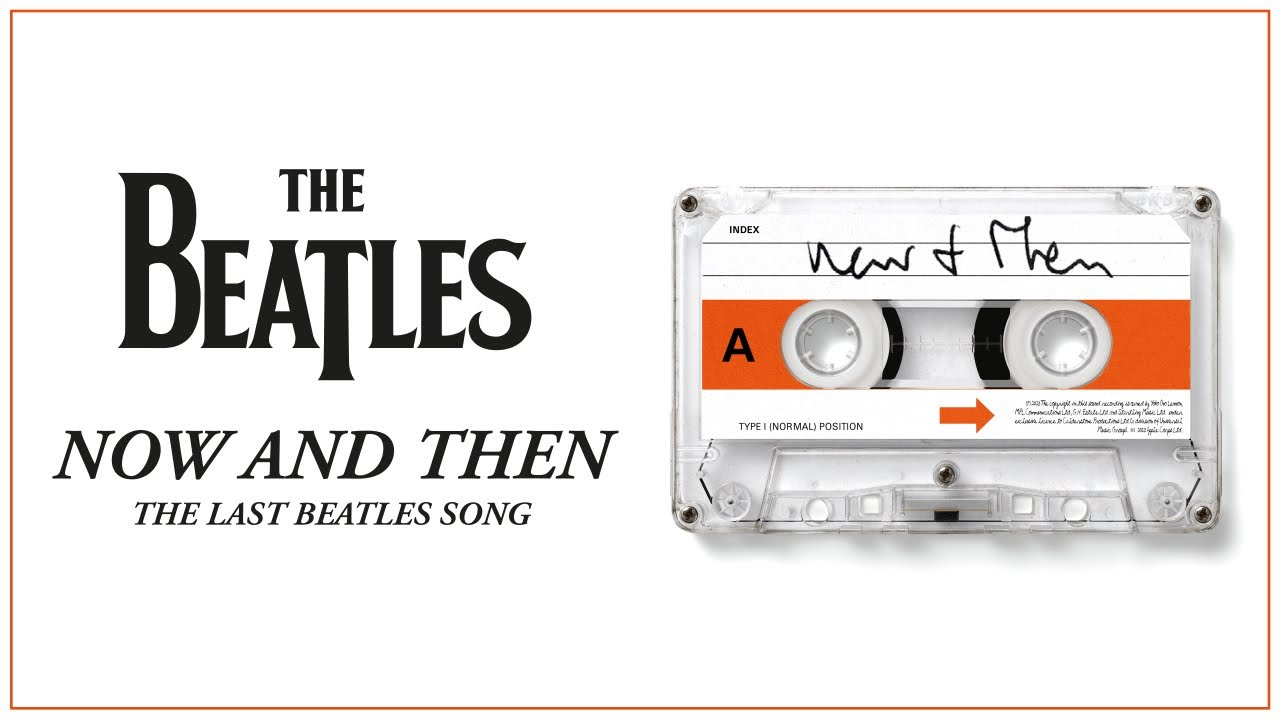
The world of music has been buzzing with anticipation ever since the news broke that the Fab Four, the legendary Beatles, had recorded a new song. It’s been over five decades since the band’s breakup, and many fans thought they’d never hear new material from the iconic quartet. But now, “Now And Then” has arrived, and it’s causing quite a stir. Speculation about the song has existed since it was recorded as a demo in 1977 with overdubs in 1995 by Paul McCartney, George Harrison (who would pass six years later), and Ringo Starr for the Anthology project. John Lennon recorded a rough demo in 1977, after his so-called retirement from music (approximately from 1975 to 1980) when he was a primary caretaker for his son, Sean. During the work on the Anthology series, the surviving members of The Beatles, Yoko Ono and Sean Lennon shared demo tapes recorded by John. Those demo tapes unearthed several songs including a version of “Now And Then” with Lennon on piano.
In their heyday, the Beatles were the embodiment of the British Invasion, revolutionizing rock ‘n’ roll and pop music, setting a standard that countless bands have aspired to since. With the release of “Now And Then,” they prove once again why their influence remains unparalleled. Of course, there is controversy surrounding the resurrection of “Now And Then.” Using sound source separation technology, AI, Pro Tools Noise Reduction, and techniques developed by The Beatles: Get Back (2021) filmmaker Peter Jackson, this is not a simple recording, this was not a splicing of tape but an effort to save one of the last songwriting efforts from John Lennon.
The song opens with a light piano touch and delicate acoustic guitar riff, immediately transporting the listener back to the timeless sound. This simple yet evocative introduction captures the essence of the Beatles and sets the stage for a chance to reconsider this influential group’s music and legacy.
As the opening verse begins, it’s clear that the years haven’t dulled the magic of Lennon and McCartney’s songwriting. The lyrics are introspective and poignant, reflecting on the passage of time, the need for another, and the fleeting nature of connection. The chorus is both haunting and beautiful, showcasing the unmistakable harmonies that made the Beatles famous. Lennon’s ethereal voice still carries the weight of a thousand emotions, while McCartney’s harmony adds a warm, comforting layer.

The song’s instrumentation reminds us why the Beatles’ timeless craft still holds allure. The lush string arrangements, reminiscent of the orchestration heard on tracks like “Eleanor Rigby,” add a rich layer of depth to the song. George Harrison’s slide guitar work is understated but masterful, and Ringo Starr’s drumming is as steady and unobtrusive as ever, providing a perfect foundation on which the melody soars.
But the true heart of “Now and Then” lies in the voice and the lyrics. Lennon’s voice and his verses reflect a sense of longing and nostalgia, a yearning for a connection to someone else. His words capture the essence of the social bond, and it’s clear that the need for connection has only deepened since Lennon’s passing in 1980. And I still remember where I was when I learned that Lennon had been killed. The memory of that day still brings tears to my eyes. McCartney’s contribution to the song mostly comes in the form of the bass and chorus, which is simultaneously uplifting and melancholic. The juxtaposition of these two elements is what makes the song so emotionally resonant. And the ability to hold those two disparate ideas together in a song is part of what The Beatles so influential and musically important.
The bridge of the song takes an unexpected turn, as it introduces a piano melody that harkens back to the band’s later, experimental period. The Beatles were known for pushing the boundaries of rock music, and, for this reviewer, “Now And Then” is no exception. The bridge is a beautiful fusion of their earlier and later styles, a testament to their ability to seamlessly blend different eras of their musical journey.
As the song approaches its climax, the band’s harmonies become even more transcendent, creating a sonic experience that is nothing short of breathtaking. The harmonies build to a space that moves at its own pace without rushing to an ending. It is impossible not to be moved by the sheer beauty of these legendary voices coming together again. The song reaches its emotional peak here, and it’s a reminder of one of the reasons that the Beatles remain one of the greatest bands in the history of music. The final moments of “Now And Then” bring the song full circle, returning to the feeling that opened the track. The song ends with a sense of acceptance and a quiet sense of hope.
It’s impossible to overstate the significance — and the controversy — of “Now And Then.” In a world where music trends come and go, and artists often struggle to maintain their relevance, The Beatles have managed to create a song that demonstrates some of what the band members would create in their respective solo projects, especially Lennon. It’s a statement of their enduring legacy and their ability to connect with listeners on a profound level.
The release of “Now And Then” has sparked a renewed interest in the Beatles’ music, and it’s not hard to see why, and I for one, welcome that rediscovery. The song is not only interesting because of the laborious effort to bring it to life but in the sweet simple feel of the songwriting. If for no other reason, the song is important because it reminds us all of the band’s unparalleled musical chemistry. It’s a reminder of the power of music to transcend time and touch the soul.
“Now and Then” is more than just a song; it’s a celebration of a band that changed the course of music history. It’s a tribute to the enduring power of their music and to the bond that still exists between the band members, even after all these years and even beyond the mortal coil.
For me, “Now and Then” is a triumph that reaffirms the Beatles’ status. It’s a song that captures a feeling from the band, ever so slightly hints at their early days as mop-topped lads from Liverpool to their later, more experimental phases. It’s a reminder of the timeless power of their music and the enduring connection they have with their audience. The Beatles have once again proven that their magic is as strong as ever, and “Now And Then” is a beautiful addition to their enduring legacy. It is most appropriate that the other “side” for the double A-Side is a new mix of their debut and first hit, Love Me Do. Perhaps in the release of Now And Then with Love Me Do (2023) we have, indeed, seen the future and the past.

 your tuesday afternoon alternative