
In the throes of a vibrant local music scene, one might expect shows in the community to be a cultural cornerstone, drawing diverse crowds in droves for a singular reason, seeing great local music. Yet, in recent years, there has been a decline in the attendance of these grassroots gatherings. Even before the Covid-19 pandemic, a decline in the number of people attending music events was shrinking. As I dig deep into this challenge, we take some time and think about the many reasons why people are increasingly opting to stay home rather than stepping out for a night of live music. In the spirit of trying to understand this so that we can encourage attendance at local shows, let’s embark on a brief effort to explore the dynamics that are reshaping the landscape of local music event attendance.

I have to be honest about my motivation. I am an active show-goer! I attend many local, regional, and national music events and shows. I am a passionate supporter of local, Dayton, Ohio, and regional music — a major premise of Your Tuesday Afternoon Alternative.
I was fortunate to experience some amazing music during my college years (1983-1988) in the state of Minnesota during a time of unbelievable explosion in creativity attending shows from Husker Du, The Replacements, Soul Asylum, Prince, The Gear Daddies, The Suburbs, The Jayhawks, Run Westy Run, ZuZu’s Petals, and so many more. I also saw touring bands such as R.E.M., The Connells, The dbs, NRBQ, Miracle Legion, The Ramones, and far more than there is time to list. And since the 2000s, I have attended more local shows in the Dayton, Ohio area than I can list here. Mrs. Dr. J and I spend time each week planning what shows we will attend and there are more shows that we would go see than we have time.
The Allure of Digital Convenience
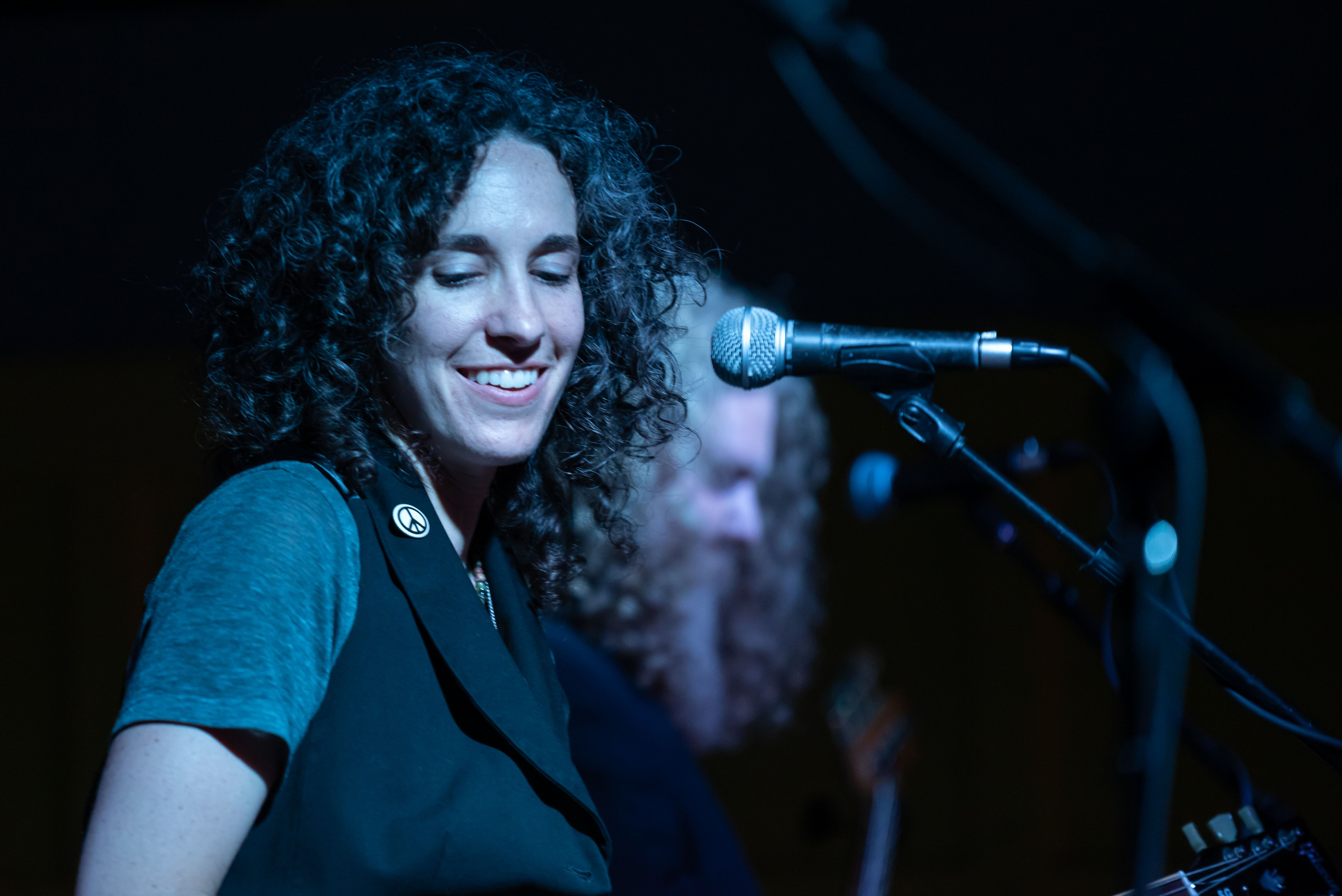
One inescapable factor reshaping the landscape of local music event attendance is the digital age. In an era where the world is at our fingertips, streaming services and virtual concerts offer an unparalleled level of convenience. The ease of tuning into your favorite artist’s live stream from the comfort of your own home is a siren song that has seduced many away from the raucous atmosphere of local venues.
Digital platforms not only offer ease of access but also empower fans to curate their music experiences. With personalized playlists and algorithmic recommendations, listeners can indulge in a highly tailored musical journey, often without the need to step one single foot outside. The pull of the digital realm is undeniably strong and presents a substantial challenge for local music scenes. That coupled with the abysmally low compensation for digital streams can create a financial hardship for bands and musicians.
Economic Considerations
Local music events have traditionally been an affordable and accessible option for music fans. However, the economics of entertainment have been shifting beneath our feet. Ticket prices, particularly for well-known local acts, have been creeping upwards, costs that were under $20 for a couple have now increased as acts and venues seek to recoup expenses. Considering the cost of transportation, parking, drinks, and merchandise, attending local music events can strain the budgets of many.

Furthermore, the gig economy has reshaped the financial stability of younger generations, making disposable income scarcer. This financial precariousness forces potential attendees to weigh the value of a night out against other financial priorities and expenses. For some, the fun of local music events is overshadowed by the economic realities of life in the 21st century.
Changing Tastes
Music, like any art form, evolves over time, and so do its listeners. What fans want to hear changes. The kinds of performances that draw a crowd evolve. The changing demographics of music audiences have led to a diversification of musical tastes and preferences. Local music events, with their challenge of advertising — the perennial problem of ‘getting the word out’ — may not always reach the eclectic tastes of a diverse audience.
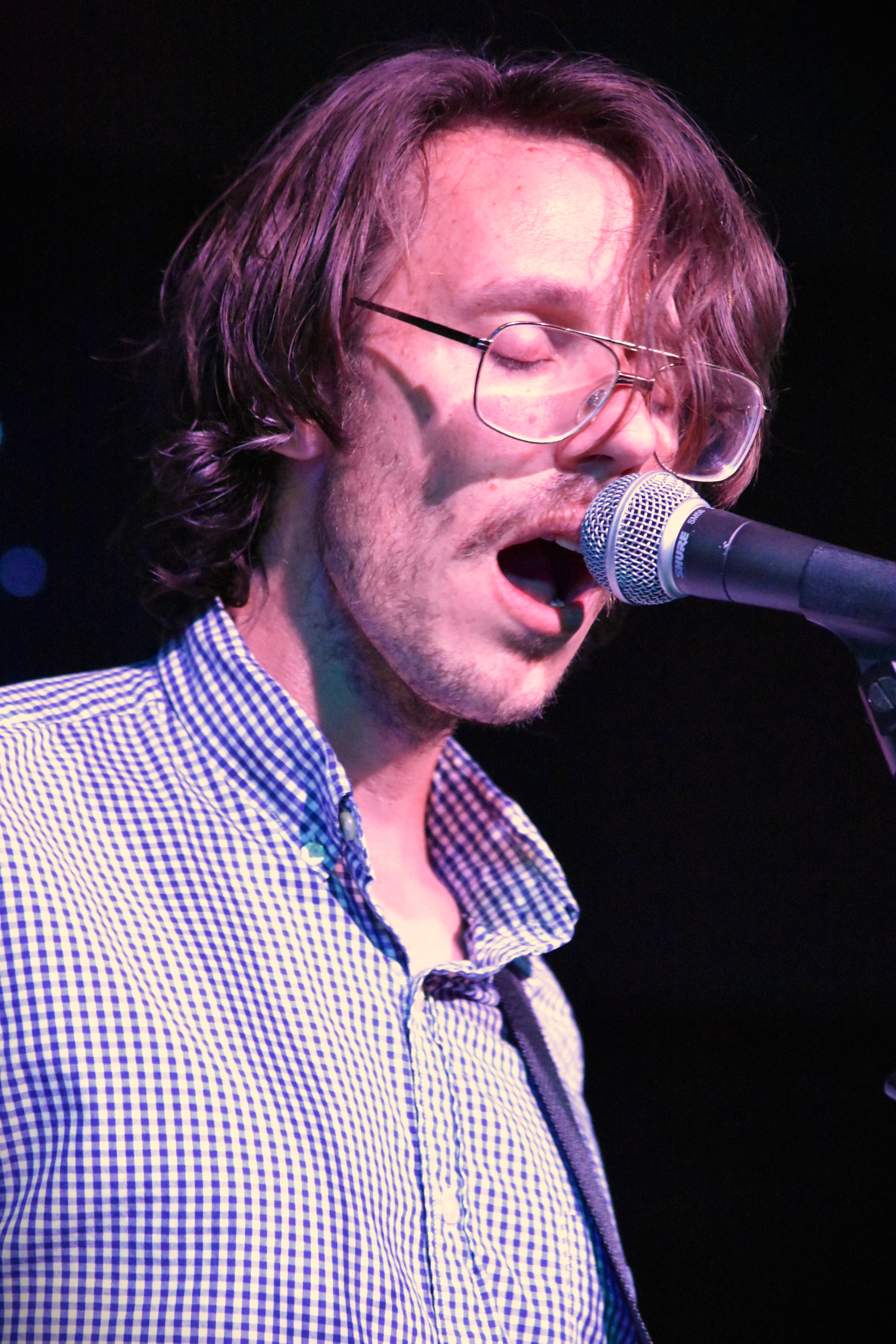
As a result, individuals who prefer genres or styles not typically showcased at local events may be disinclined to attend. The widening spectrum of musical genres, coupled with the ease of access to niche music communities online, means that many can explore their musical interests without ever leaving their comfort zones.
We also have to consider that the reluctance to attend local shows may have increased post-pandemic. There may be a greater concern about being in a crowd due to health concerns.
The Urbanization Conundrum
In the shifting demographic landscape, urbanization has played a critical role in reshaping local music event attendance. Cities are cultural hubs teeming with artistic expression, and local music scenes thrive in these environments. Yet, the downside of urbanization is the relentless pace of life and the reluctance of folks who live in the suburbs to come into the city to experience music events. For some city dwellers, the cacophony of daily life is enough to discourage them from seeking out additional auditory stimulation at local events.
Furthermore, urban areas are often marked by high living costs, making it challenging for residents to prioritize regular attendance at local music events. The erosion of affordability in urban centers can lead to a decline in the vibrancy of local music scenes.
The Virtual Spectacle vs. the Live Experience
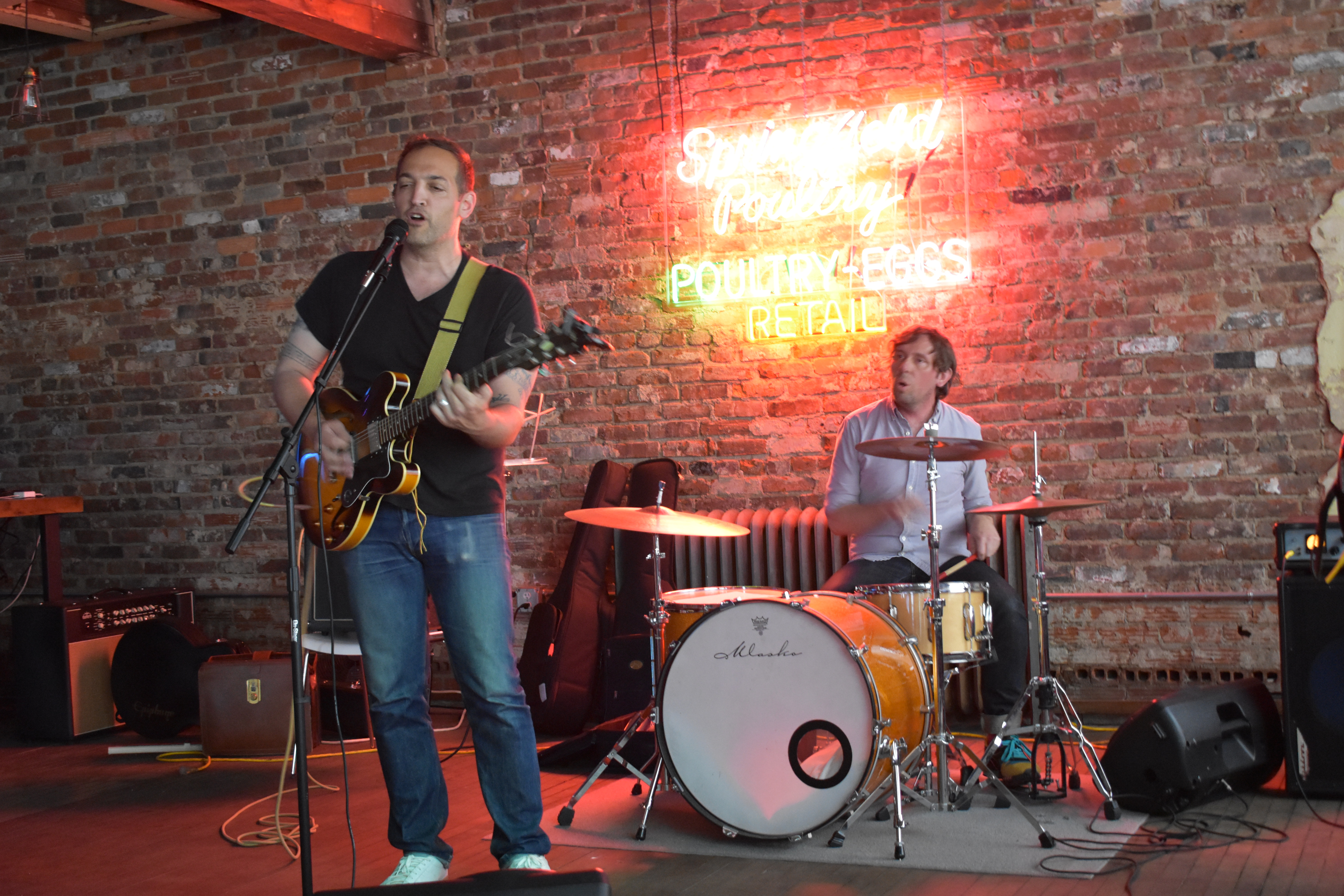
The allure of virtual entertainment, I discussed above, has challenged the primacy of the live music experience. Virtual concerts and livestreams allow artists to reach global audiences without the constraints of venue capacity or geographic location. While this may be a boon for artists, it poses a dilemma for local music scenes. If you can see your favorite artists without leaving home, why go to a local show?
The virtual spectacle, enhanced by breathtaking visuals and immersive technology, can rival the in-person experience. As artists invest in creating jaw-dropping digital performances, the question of whether the palpable energy of a live crowd can compete arises for us. For some, the convenience and spectacle of virtual entertainment outweigh the communal experience of local music events. However, the solitary experience of watching a concert in your living room separated from your friends and fellow music lovers can feel hollow. Of course, this assumes that people want to experience music together with people they may not know.

The decline in local music event attendance is a complex web of economic factors, shifting cultural tastes, technological convenience, and the pull of virtual entertainment. As the music industry continues to evolve in the digital age, local scenes must adapt to these changing dynamics to remain relevant and vibrant. To lure audiences back into the heart of their local music communities, venues and artists alike must offer experiences that transcend the allure of digital convenience and rekindle the magic of the live music event and the community that is built in those experiences. In doing so, we can ensure that the fading applause of local music events reverberates once more, echoing through the spaces where music is played.
What factors would you add to this consideration? What can we do to encourage more people to attend music events and shows in our local communities?

 your tuesday afternoon alternative
Speaking specifically about Dayton, I feel like not having alternative press anymore hurts the musicians’ ability to promote. There are plenty of people who don’t use social media. There is also the issue that social media algorithms do not show all of one’s posts to all of one’s network. There is surely an unknowable amount of people who WANT to go to shows, but are not well enough informed about when and where they are happening to attend.